The global ergonomic office chair market is currently witnessing a paradigm shift. Valued at over USD 12.7 billion in 2023, the industry is projected to grow at a CAGR of 6.5% through 2030. This growth is driven by the increasing awareness of Musculoskeletal Disorders (MSDs) and the rise of "Sit-Stand" work cultures. Spine-support ergonomic chairs are no longer luxury items; they are essential health-tech tools for modern productivity.
Annual Growth Rate
Certified Standards
Global Exporters
Eco-Friendly Focus
From the corporate hubs of Silicon Valley to the industrial zones in Southeast Asia, the demand for spine-aligned seating has skyrocketed. Key factories and exporters are now focusing on dynamic lumbar support—a technology that adjusts in real-time to the user's micro-movements.
The next generation of ergonomic chairs will feature embedded sensors that sync with mobile apps to alert users of poor posture. AI will analyze sitting habits and provide personalized ergonomic recommendations.
Top exporters are moving toward 100% recyclable polyester, ocean-bound plastic components, and biodegradable foam. Sustainability is now a primary procurement criterion for European and North American buyers.
The boundary between office and medical furniture is blurring. High-back executive chairs are adopting pressure-distribution technologies originally developed for hospital surgical stools.
International buyers, including government agencies, multinational corporations, and large-scale wholesalers, have distinct requirements for ergonomic chair sourcing:
In the North American market, there is a heavy emphasis on BIFMA certification and larger seat dimensions. In the European market, compliance with EN 1335 standards and the use of sustainable, fire-retardant fabrics are non-negotiable. Asian markets focus on high-density foam and space-saving designs for compact urban offices.
China remains the powerhouse of ergonomic furniture manufacturing. By combining the mature supply chains of Foshan and Anji, Chinese factories offer an unbeatable ratio of quality to cost. Sitnova, as a national high-tech enterprise, stands at the intersection of this industrial excellence.
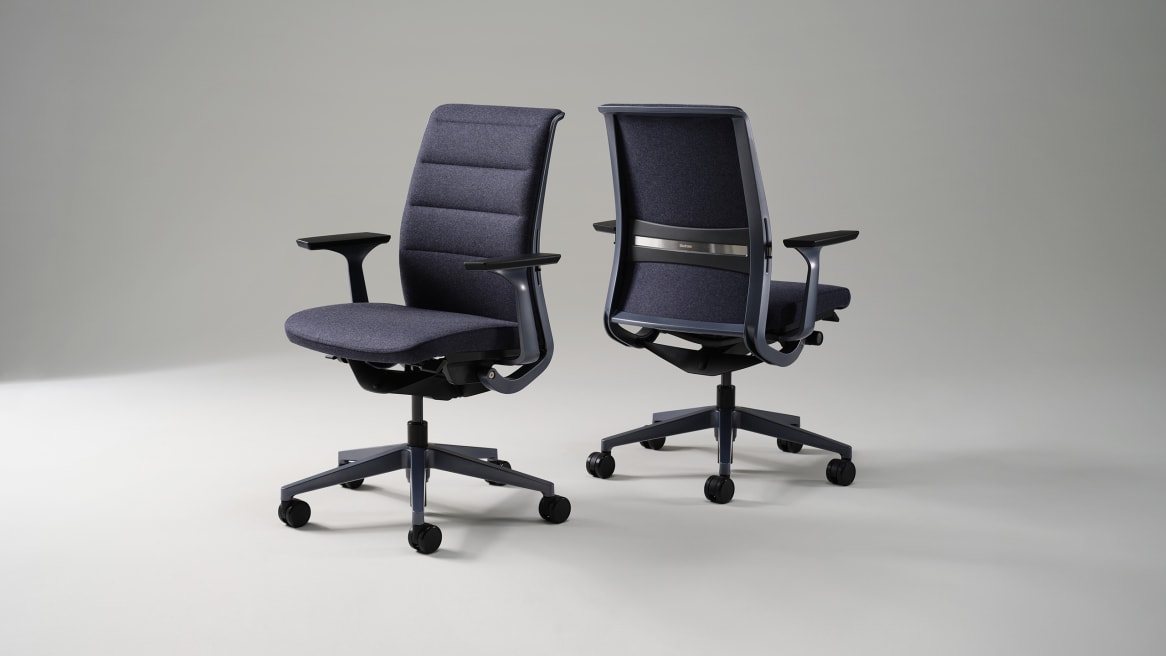
Unlike simple assembly plants, Sitnova integrates design, research, and production. We hold numerous patents for lumbar support mechanisms that surpass international standards.
Located in the heart of China’s furniture hubs, we have immediate access to high-grade mesh, precision gas lifts, and premium leather, ensuring rapid lead times even for large bulk orders.
Our products aren't just designed for comfort; they are built for safety. With BIFMA, EN1335, and Comfortlife certifications, we provide the reliability global exporters demand.
Foshan Sitnova Furniture Co., Ltd. was established in 2012, located in the best habitat awards winning city—Anji, Zhejiang. Upholding the innovative spirit of surpassing itself, Sitnova provides domestic and foreign customers with high-quality seat products and service with unique design style.
Sitnova group was formally established in 2022. We are a professional furniture company integrating design, research, production and marketing. Gathering excellent design all over the world and combined with China's manufacturing advantages, Sitnova produces products with high quality, high sense of design and high cost performance. Sitnova is devoted to becoming a domestic first-class, internationally renowned seat manufacturer.
As an office chair brand with innovation and exploration, Sitstar will continue to adhere to the innovative and forward-looking design concept and inject fresh power into the industry’s innovative development.
Through continuous efforts, Sitnova has been identified as a national high-tech enterprise. Our products have passed certifications like BIFMA, EN1335, Comfortlife and so on. We focus on the innovation and R&D of high-quality products. We constantly upgrade our products through high-quality tech-research and provide more superior products and service to every customer who trust us.
We gained excellent achievements through constant input and persistence. In the past three years, we still maintained an annual growth of more than 40% under the dual pressure of market and environment.
 Sitnova Furniture