Workspace design plays a crucial role in shaping employee wellbeing. It is essential to understand how workspace design affects employee wellbeing. Companies are increasingly aware of this connection. A well-designed office can enhance mood, increase productivity, and foster creativity.
When spaces are aesthetically pleasing, employees feel more at ease. Natural light and green elements contribute to a positive environment. However, not all designs achieve these outcomes. Some layouts may hinder communication or cause discomfort. These factors can lead to stress and dissatisfaction.
Moreover, the balance between open space and privacy is vital. Too much openness can be overwhelming. Employees may crave quiet areas for focus. Thus, it is important to consider individual needs and preferences when designing workspaces. This reflection can lead to healthier, more engaged employees.
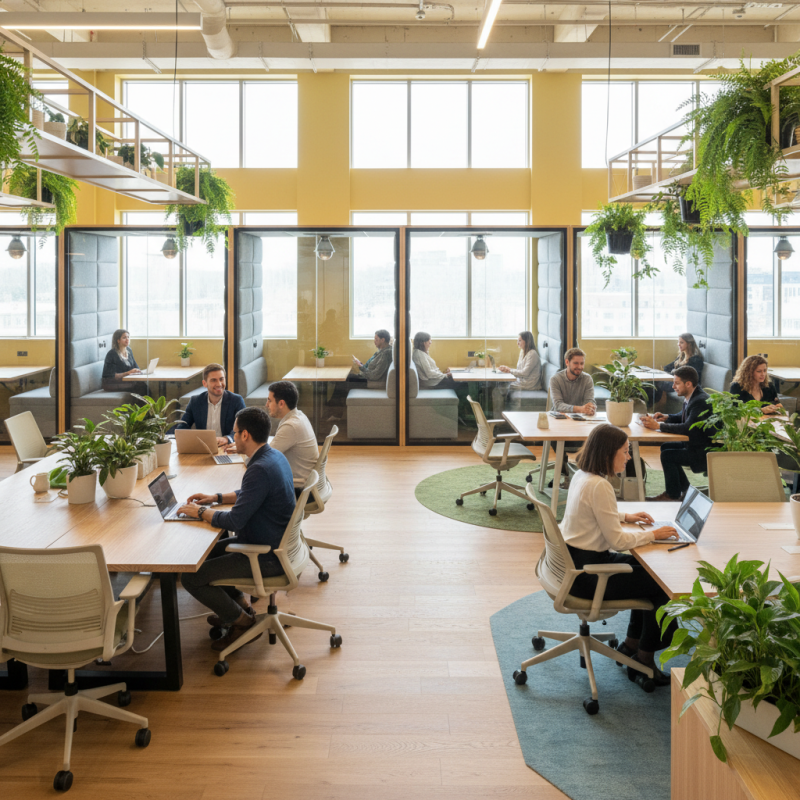
The layout of a workspace can significantly affect employee mental health and productivity. Research shows that open spaces can stimulate collaboration. However, they can also lead to distractions, decreasing focus. On the other hand, private spaces may enhance concentration but limit teamwork. Finding a balance in design is crucial for promoting wellbeing.
To improve mental health, consider incorporating greenery into the workspace. Plants not only beautify the environment but also improve air quality. Natural light is another essential factor. Spaces filled with sunlight can boost mood and energy levels. Employees will feel more engaged and productive.
It's essential to reflect on how the workspace design aligns with employee needs. Frequent feedback from staff can guide adjustments in layout. A static design may become ineffective over time. Regularly evaluating the effectiveness of workspace changes can promote a healthier work environment for everyone.
| Workspace Type | Employee Mental Health (Rating 1-10) | Productivity Level (Rating 1-10) | Employee Satisfaction (Rating 1-10) | Collaboration Opportunities (Rating 1-10) |
|---|---|---|---|---|
| Open Plan | 7 | 8 | 6 | 9 |
| Cubicles | 6 | 7 | 8 | 5 |
| Private Offices | 8 | 9 | 9 | 6 |
| Hybrid Workspace | 9 | 8 | 10 | 8 |
| Collaborative Spaces | 8 | 7 | 9 | 10 |
: Workspace layout can enhance or hinder mental health. Open spaces may foster collaboration but can increase distractions.
Plants improve air quality and beautify the workspace. They can positively affect mood and energy levels.
Natural light can boost employee engagement. Sunlight helps improve mood and increases productivity levels.
Regular feedback from employees is vital. Adjusting layouts based on needs can enhance the work environment.
Ergonomic furniture reduces musculoskeletal disorders. It helps maintain neutral posture, which minimizes strain and fatigue.
Yes, some companies may hesitate due to costs. However, the long-term benefits often outweigh these initial expenses.
Open designs encourage collaboration but can be distracting. Many employees struggle with noise levels and lack of privacy.
Closed offices offer privacy and quiet environments. They help employees concentrate and may enhance job satisfaction.
Integrate open collaboration areas with quiet zones. This provides a balance between teamwork and focused work.
Employee feedback helps identify effective changes. Regular evaluations can promote a healthier and more productive workplace.
The article "How Workspace Design Influences Employee Wellbeing in the Workplace" explores the critical relationship between workspace design and employee wellbeing. It emphasizes how workspace layout directly impacts mental health and productivity, highlighting that thoughtful arrangements can foster collaboration and reduce stress. Moreover, the role of natural light is evaluated as a key factor in enhancing workplace wellbeing, promoting both mood and efficiency.
The article also underscores the importance of ergonomic furniture in minimizing workplace injuries, thereby ensuring that employees can work comfortably and safely. Additionally, it examines the contrasting effects of open versus closed office designs on employee satisfaction, suggesting that a balance between social interaction and privacy is essential for optimal wellbeing. Finally, the integration of biophilic design principles is discussed as a means to boost engagement and health, illustrating how workspace design affects employee wellbeing in multifaceted ways.

 Sitnova Furniture