In today's fast-paced work environment, the significance of comfort at the workplace cannot be overstated. Many professionals overlook the fact that the conditions under which they work directly impact their productivity levels. Understanding why workplace comfort is important for productivity helps organizations foster a healthier work atmosphere.
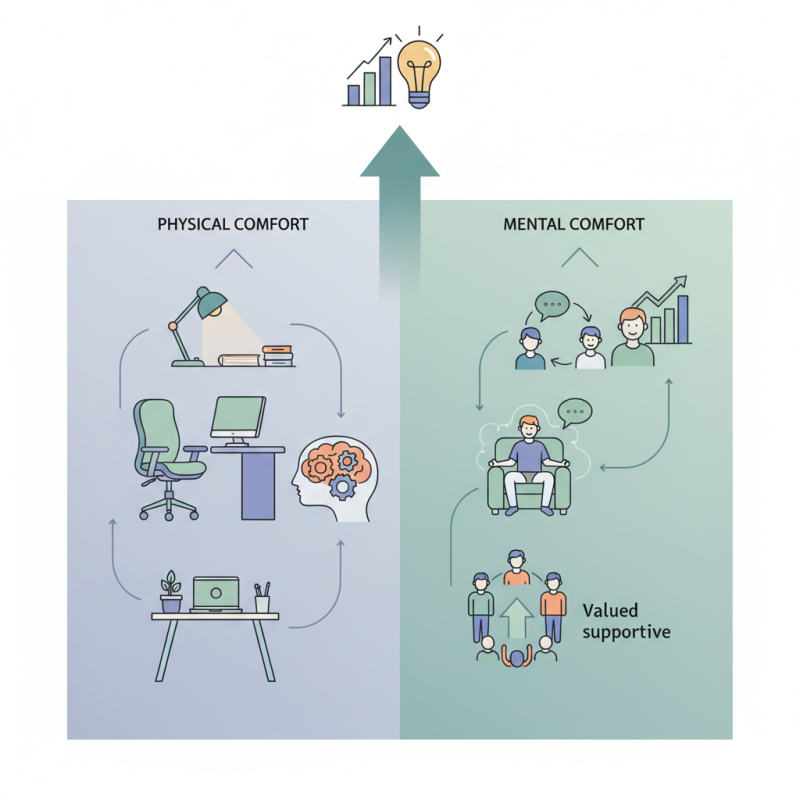
Physical comfort, such as ergonomic furniture and appropriate lighting, can enhance focus and creativity. A clutter-free space encourages better organization, leading to improved outcomes. However, many workplaces still ignore these aspects. They may have outdated equipment or poor layout designs.
Mental comfort is equally essential. A supportive atmosphere reduces stress and fosters collaboration. Yet, some employees report feeling isolated or undervalued. This indicates a need for reflective practices within teams. Addressing both physical and mental comfort can lead to a more productive workforce.
The Importance of Ergonomics in Workplace Comfort
Ergonomics plays a vital role in workplace comfort. A well-designed workspace can significantly impact employee health and productivity. It involves creating tools and environments that perfectly fit the user. Adjusting chair height and monitor position is essential.
These simple changes can prevent strain injuries.
Many people underestimate ergonomic setups. They often ignore discomfort until it becomes a serious issue. For example, working long hours at a poorly designed desk can lead to chronic back pain. Frequent breaks and proper posture are necessary. However, not everyone pays attention to these basic needs.
Creating an ergonomic workspace demands awareness and willingness to adapt. Businesses should prioritize this aspect for better results. Employees should communicate their needs clearly. Some companies fail to recognize the long-term benefits of investing in ergonomic solutions.
A comfortable employee is more likely to feel motivated. Ignoring ergonomics decreases overall job satisfaction, leading to higher turnover rates.
How Environment Affects Employee Mental Health and Well-being
A comfortable workplace plays a crucial role in enhancing employee mental health and overall well-being. Research indicates that a well-designed office can improve focus by up to 30%. Factors like light, air quality, and ergonomic furniture significantly impact how employees feel. Inadequate lighting can lead to eye strain and fatigue, reducing productivity.
Moreover, a study from the World Green Building Council found that employees working in healthy environments report a 50% higher productivity level. Simple changes, like introducing plants or better ventilation, can create a more inviting atmosphere. However, many companies overlook these elements. They may prioritize cost over comfort, ultimately harming employee satisfaction.
Mental health issues can stem from a neglected workspace. High noise levels and uncomfortable seating can lead to stress and decreased morale. According to a study by Harvard University, poor indoor environments contribute to over $150 billion in lost productivity annually. Organizations must understand that investing in workplace comfort is not just an expense; it's a critical factor for long-term success and employee well-being.
The Role of Personalization in Creating a Comfortable Workspace
Creating a comfortable workspace is increasingly linked to productivity. Personalization plays a crucial role. A survey by Steelcase indicates that 98% of employees want their workspace to reflect their personal style. When workers can arrange their spaces, they feel more engaged. This engagement translates into higher performance.
Data from the Global Workplace Analytics shows remote workers are 20-25% more productive when they personalize their environment. Elements like artwork, color schemes, or even adjustable furniture resonate with individual preferences. These choices can enhance comfort. Comfort, in turn, fosters creativity.
However, not every workplace embraces personalization. Some companies maintain strict guidelines. This can stifle individual expression. A 2022 study found that 50% of employees felt their workspace lacked any personal touch. This disconnect can lead to disengagement over time. Reflecting on the hybrid model, balancing personalization and company culture becomes essential for improved productivity.
Impact of Workplace Comfort on Employee Engagement and Motivation
Workplace comfort plays a significant role in employee engagement and motivation. When employees feel at ease, they are more likely to take initiative and invest effort into their tasks. Comfortable seating, adequate lighting, and a pleasant atmosphere can reduce distractions. This leads to improved focus on work. Noise levels also matter; a quiet space allows for deeper concentration.
However, comfort is often overlooked. Some employees might feel that their needs are not met. A desk that is too low or a chair that lacks support can hinder performance. Organizations should regularly assess their work environment. Gathering feedback can highlight areas that need improvement. If employees are not comfortable, they may disengage and experience lower productivity.
Investing in workplace comfort isn't just about amenities. It's about creating a culture that values wellbeing. Simple gestures, like providing a break space with plants and natural light, can enhance motivation. Yet, it is crucial to remember that comfort is subjective. What works for one may not work for another. Thus, fostering an open dialogue can help address diverse needs.
Impact of Workplace Comfort on Employee Engagement and Motivation
Strategies for Enhancing Comfort to Drive Productivity Improvements
Creating a comfortable workplace can significantly enhance productivity. Small adjustments often lead to remarkable changes. For example, ensuring proper lighting can reduce eye strain and promote focus. Utilizing ergonomic furniture prevents physical discomfort, enabling employees to work efficiently throughout the day.
Another effective strategy involves optimizing noise levels. Open offices can be distracting, so incorporating quiet zones is essential. Silence fosters concentration. Additionally, personalizing workspaces helps individuals feel more at ease. Allowing employees to customize their areas has shown to boost morale and creativity.
Finally, consider the temperature and air quality. A well-ventilated space at a comfortable temperature keeps employees alert. However, preferences may vary. Regular feedback from team members can help identify what works. By addressing these factors, organizations can create an environment that promotes not only comfort but also enhanced productivity.
FAQS
: A comfortable workplace can increase focus by up to 30%. This is vital for productivity.
Light, air quality, and ergonomic furniture greatly impact how employees feel and perform.
Introducing plants or enhancing ventilation can create a more inviting atmosphere.
Some prioritize cost over comfort, which can harm employee satisfaction and well-being.
Employees feel more engaged when their workspace reflects their personal style, boosting performance.
High noise levels and uncomfortable seating can lead to stress and decreased morale.
Poor indoor environments contribute to over $150 billion in lost productivity annually.
Regular feedback from team members can help identify the best environment for productivity.
Proper lighting reduces eye strain and promotes focus, essential for employee performance.
This balance enhances productivity but can be challenging with strict corporate guidelines.
Conclusion
Workplace comfort plays a crucial role in enhancing productivity by addressing key elements such as ergonomics, environment, personalization, and employee engagement. Understanding "why workplace comfort is important for productivity" is essential, as a well-designed workspace can significantly improve physical well-being, thereby reducing strain and discomfort. Moreover, a comfortable environment positively influences mental health, fostering a sense of well-being that encourages employees to perform their best.
By personalizing workspaces to fit individual preferences and needs, organizations can further enhance comfort and engagement. Comfortable employees are more motivated and involved in their tasks, leading to improved productivity. Implementing strategies that focus on ergonomic design, suitable environmental factors, and personalized touches creates a productive atmosphere, ultimately driving better performance and outcomes for both employees and the organization.

 Sitnova Furniture