Top 10 Ways to Evaluate Commercial Furniture Quality

Time:2026-09-20 Author:Isabella
0%

Commercial furniture is judged every day under demanding conditions: rolling office chairs, crowded waiting rooms, spills, sunlight, and constant cleaning. A showroom sample may look impressive, yet performance often changes after months of use. That is why buyers need more than attractive finishes or a low invoice. They need evidence.

This guide explains how to evaluate commercial furniture quality through ten practical checks. These checks examine frame construction, materials, joinery, ergonomics, safety, durability, maintenance, warranty coverage, environmental documentation, and supplier reliability. ANSI/BIFMA standards provide important testing benchmarks for institutional and office furniture, while BIFMA market reports help identify changing workplace requirements and purchasing patterns. The U.S. Environmental Protection Agency’s Environmentally Preferable Purchasing guidance also encourages buyers to review recycled content, chemical disclosures, durability, and end-of-life options.

Looks can mislead.

A strong evaluation should connect laboratory evidence with real workplace experience. Inspect welds beneath a chair, open drawers repeatedly, and check whether table edges remain stable under pressure. Ask for test reports, certificates, load ratings, replacement-part policies, and warranty exclusions. ISO standards, including ISO 7170 for storage units, can add useful reference points, but compliance alone does not guarantee suitability for every facility. That limitation matters. A product may pass a test and still feel uncomfortable, difficult to clean, or poorly matched to daily operations. The best decision combines professional standards, documented supplier claims, staff feedback, and realistic use conditions. This approach is not perfect, but it is more defensible than trusting photographs, brand reputation, or price alone.
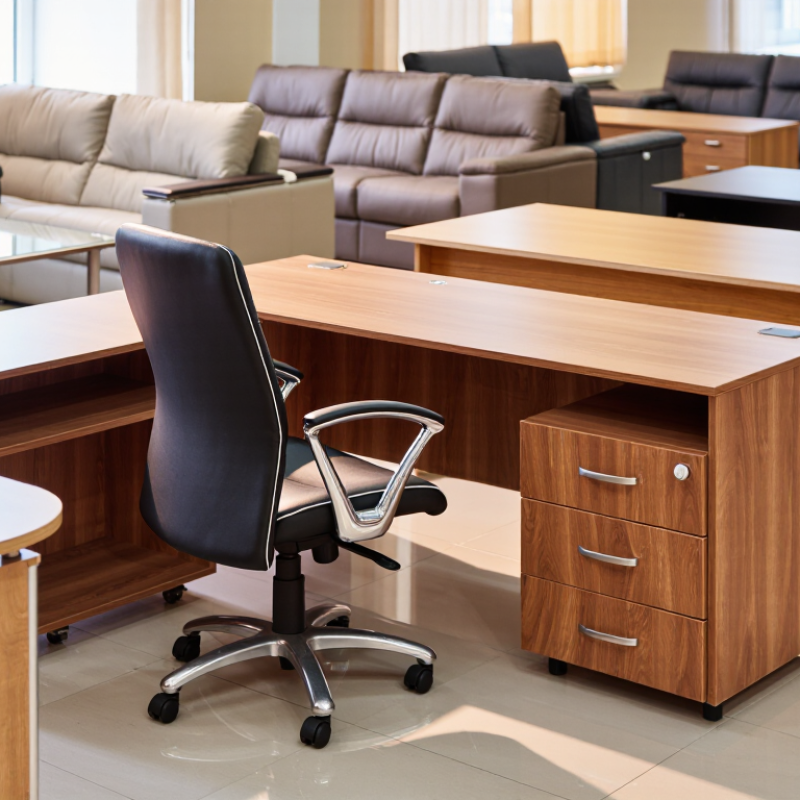
Top 10 Ways to Evaluate Commercial Furniture Quality

Define Quality Criteria for Commercial Furniture

Commercial furniture quality begins with clear, practical criteria. A polished appearance is not enough. Inspect the frame, joints, surfaces, hardware, and internal supports. A sturdy chair should remain stable when users shift their weight. A desk should resist vibration during typing and daily movement.

Material performance matters in busy workplaces. Check whether edges feel smooth and remain sealed after repeated cleaning. Test drawers for alignment, quiet operation, and consistent closing.

Observe how upholstery handles friction, spills, and long hours of contact. Certifications and technical test reports can support these observations, but they should match the actual product specification. Claims alone are weak evidence.

Safety and maintainability also define quality. Look beneath tables and seating. Poorly protected fasteners may loosen or damage floors. Replaceable parts can reduce disruption when a caster, hinge, or panel fails. Ask for load ratings, care instructions, warranty terms, and repair procedures before approval.

Real project experience shows that overlooked details often become expensive problems. I once focused too heavily on surface finish and underestimated cable management. That decision created avoidable installation work.

Quality assessment is not perfectly objective, either. User comfort, cleaning routines, room temperature, and traffic levels can change results. Record test conditions, compare samples, and invite facilities staff to challenge the evaluation. Their practical concerns may reveal weaknesses that a showroom inspection misses.

Examine Materials, Finishes, and Surface Durability

Commercial furniture quality often reveals itself through material selection. Solid wood should feel dense, stable, and properly sealed at exposed edges. Engineered panels need consistent thickness and tightly bonded layers. Check hidden areas, too. A rough underside can signal rushed manufacturing. Metal frames should resist twisting under normal pressure. Upholstery should have even stitching, firm seams, and padding without visible dips.

Finish quality deserves close attention. Run your hand across the surface under bright, angled light. It should feel uniform, without bubbles, cloudy patches, or sharp transitions. On tables, inspect corners and edges first. These areas suffer the most from bags, cleaning tools, and repeated contact. A durable coating should tolerate routine wiping without becoming dull or sticky. Ask for abrasion, stain, moisture, and chemical-resistance test data. Small details matter.

Surface durability is not only a laboratory claim. Place a sample in the intended environment and examine it after daily use. Test a discreet area with water, mild cleaner, and a dry cloth. Record changes in gloss, color, and texture. The exact cleaning product still matters. No inspection method is flawless. A showroom sample may hide weaknesses that appear after months of sunlight or chair movement. Review maintenance instructions, testing methods, and warranty limits before approval. I have found that rushed evaluations often focus on appearance while missing vulnerable edges and poorly sealed joints.

Assess Construction, Joinery, and Structural Stability

Commercial furniture quality begins beneath the surface. Inspect the frame, panels, fasteners, and edge finishing before judging appearance. Solid connections should feel tight, with no clicking, shifting, or visible gaps. Press gently against corners and joints. Movement often reveals weak construction.

Joinery deserves close attention. Mortise-and-tenon joints, reinforced dowels, welded steel connections, and properly seated screws can improve durability. Look for clean alignment and consistent pressure across assembled parts. Rough cuts may indicate rushed production. However, a polished surface can hide poor internal work. I have seen attractive tables wobble after minor assembly errors.

Tips: Check every joint by hand. Lift one side slightly. Listen for creaking. Review stated load limits. Ask how replacement parts are handled.

Structural stability matters in daily commercial use. Place the furniture on a level floor, then test it from several directions. A chair should remain balanced when someone shifts weight. A table should resist twisting when pressure reaches its edge. Storage units need stable backs, secure shelves, and reliable anchoring provisions where appropriate. Check whether the base distributes weight evenly. Narrow feet can create unexpected movement.

Do not rely on one inspection. Recheck hardware after installation and during routine maintenance. Small looseness becomes serious over time. My own evaluations are not perfect; lighting, flooring, and assembly quality can affect results. Record measurements, observed movement, and testing conditions. This makes the assessment more reliable and easier to review.

Test Comfort, Functionality, and Ergonomic Performance

Evaluating commercial furniture quality requires more than inspecting polished surfaces. In a busy reception area, comfort and function reveal weaknesses quickly. Sit in the chair for at least ten minutes. Notice pressure under the thighs, shoulder support, and whether your feet rest flat. A seat that feels soft at first may cause fatigue later. Test it with different body sizes, not only one evaluator. Small details matter.

Adjust every control repeatedly. Check whether levers move smoothly, lock firmly, and remain accessible while seated. A desk should support neutral wrists, clear knee space, and easy screen positioning. Raise and lower it several times, then listen for grinding or uneven motion. Open drawers fully and pull them from different angles. Measure reach distances for shorter users. Ergonomics is not a luxury feature; it affects concentration, movement, and injury risk.

Use a realistic trial setup for a full work period, even if time is limited. Place a laptop, documents, cables, and a water bottle where users normally need them. Watch for twisting, leaning, glare, and cramped leg movement. Ask staff for specific feedback, rather than “Do you like it?” Record discomfort after two and six hours. This process is reliable, but not perfect. Individual preferences can confuse the results, and one test room cannot represent every workplace. Recheck after installation, because floor levels and actual accessories may change performance.

Review Safety Standards, Warranty, and Long-Term Value

Quality in commercial furniture begins with safety, not appearance. During procurement reviews, I check load ratings, edge stability, pinch points, and adjustable components. ANSI/BIFMA X5.1 chair testing includes 100,000 durability cycles and a 275-pound user weight. Ask for current test documentation, not vague “commercial grade” language. The 2023 U.S. Bureau of Labor Statistics injury data still lists overexertion and bodily reaction among leading workplace event groups, so ergonomic support deserves measurable attention.

Read the warranty like a maintenance contract. Confirm coverage periods for frames, mechanisms, upholstery, casters, and electrical parts. Check whether labor, shipping, fabric fading, and replacement components are included. A five-year warranty may sound strong, but a short mechanism warranty can expose the real risk. That detail is easy to miss. Industry purchasing guidance from BIFMA also emphasizes performance, durability, and responsible material selection, not price alone. Request repair timelines and parts availability in writing.

Long-term value requires a simple calculation: purchase price, expected service life, maintenance cost, and replacement frequency. The U.S. EPA’s sustainable materials guidance supports extending product life through repair and reuse, yet resale assumptions can be overly optimistic. Measure actual wear after six and twelve months. Some attractive finishes age poorly under constant cleaning. Quality is sometimes less polished than expected, but more dependable.

FAQS

What should be checked when evaluating commercial furniture quality?

Inspect the frame, joints, surfaces, hardware, and internal supports. A stable chair should remain steady when users shift their weight. Small details matter.

How can desk and table stability be tested?

Apply normal pressure and observe twisting, vibration, and movement. A desk should stay firm during typing and daily activity. Do not rely on appearance alone.

Which material details indicate reliable construction?

Solid wood should feel dense and sealed along exposed edges. Engineered panels should have even thickness and tightly bonded layers. Check hidden areas, too.

How should surface and finish durability be examined?

Inspect corners under bright, angled light for bubbles, dull patches, or sharp transitions. Test a discreet area with water, mild cleaner, and a dry cloth. Record changes in color, gloss, and texture.

What should be tested on upholstered furniture?

Check stitching, seams, padding, and resistance to daily friction. Look for even stitching and padding without visible dips. Spills can reveal weaknesses.

How can drawers and moving parts be assessed?

Open drawers repeatedly and check alignment, noise, and consistent closing. Test hinges, casters, and panels for smooth movement. Listen carefully.

Why are maintenance and replacement parts important?

Replaceable casters, hinges, and panels can reduce disruption after failures. Ask for care instructions, repair procedures, load ratings, and warranty limits. Ignoring these details may create expensive work later.

Can showroom inspections prove long-term furniture quality?

No method catches everything. A showroom sample may hide damage from sunlight, cleaning, or repeated chair movement. Place samples in the intended environment and record their condition over time.

Why should facilities staff participate in quality evaluations?

Facilities staff understand cleaning routines, traffic levels, installation limits, and practical maintenance problems. Their concerns may expose weaknesses that a showroom review misses. I once focused too much on surface finish and underestimated cable management.

Conclusion

Evaluating commercial furniture quality requires a clear, practical framework that looks beyond appearance. To understand how to evaluate commercial furniture quality, begin by defining criteria such as durability, stability, ease of maintenance, suitability for daily use, and overall design consistency. Examine the materials, finishes, and surface treatments for resistance to scratches, stains, moisture, fading, and frequent cleaning. Then inspect construction details, including joinery, fasteners, frame strength, load capacity, and structural balance, to determine whether the furniture can withstand demanding environments.

Quality should also be judged through real-world performance. Test seating comfort, posture support, adjustability, movement, storage access, and other functional features to ensure ergonomic value. Finally, review applicable safety requirements, care instructions, warranty coverage, replacement support, and expected service life. A well-made commercial product should provide dependable performance, user comfort, and manageable maintenance over time. Considering both initial cost and long-term value helps organizations make confident purchasing decisions while reducing premature repairs, replacements, and disruptions.

Isabella

Isabella

Isabella is a dedicated marketing professional with a sharp focus on driving brand growth and engagement through strategic content creation. With an extensive background in digital marketing, she combines her passion for storytelling with her keen understanding of industry trends to deliver......