10 Tips to Define the Future Workplace Environment

Time:2026-07-03 Author:Sienna
0%

In today's rapidly evolving world, businesses must adapt to changing dynamics. What defines the future workplace environment is a question that many experts seek to answer. According to Dr. Emily Chang, a leading authority in workplace design, "The future workplace is not just a space, but an experience that fosters collaboration and innovation." Her insight emphasizes the importance of a holistic approach in shaping work environments.

The future workplace will likely prioritize flexibility and well-being. Remote work trends show that employees value a balance between personal and professional life. Leaders must embrace technology and create inclusive spaces. The integration of health-focused designs is also crucial. Environmental factors significantly impact employee productivity and satisfaction.

Reflecting on current practices can provide insights for improvement. Organizations may need to reassess their culture and policies. Effective communication, trust, and recognition will be essential in cultivating a positive work atmosphere. As businesses redesign their environments, understanding what defines the future workplace environment will be pivotal for success.
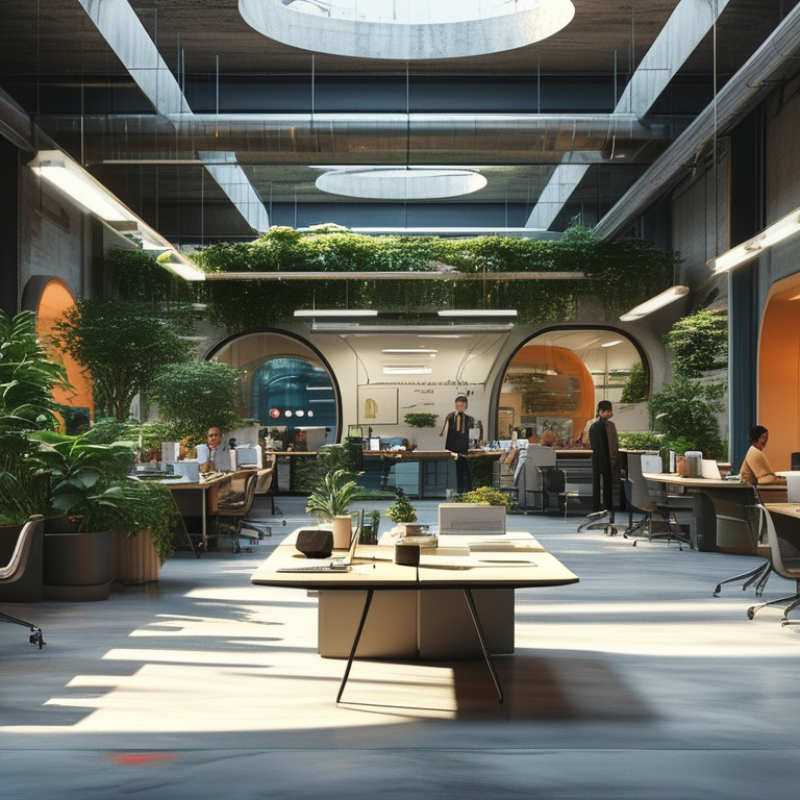
10 Tips to Define the Future Workplace Environment

Assessing Employee Needs: Analyzing Surveys and Feedback Data

In today’s evolving work environment, analyzing employee feedback is crucial. A recent survey by Gallup reports that companies with high employee engagement enjoy 21% higher profitability. Organizations must delve into feedback data to understand employee needs better. Simply collecting data is not enough; interpreting it is key.

Many companies are still struggling with this. For instance, only 30% of employees feel their feedback is acted upon, according to a recent Workplace Trends report. This gap represents a significant area for improvement. Companies should regularly analyze survey results in real-time. Regular pulse surveys can provide actionable insights. These insights can guide workplace policies and shape a culture that truly resonates with employees.

Furthermore, understanding employee needs goes beyond just surveys. Face-to-face interactions can unearth deeper insights. According to a McKinsey report, teams that communicate openly and regularly see 25% more productivity. Employers should invest in creating a feedback-rich environment. Ignoring the voices of employees can lead to disengagement and attrition. It’s essential to foster a culture where feedback leads to real change.

Integrating Technology: The Role of Automation in Workplace Design

Automation shapes the future workplace environment in profound ways. Integrating advanced technology changes how teams collaborate. For instance, smart meeting rooms equipped with AI can enhance the efficiency of discussions. These spaces adjust lighting and temperature automatically, creating a comfortable atmosphere. Employees find it easier to focus without distractions.

Another aspect is the integration of automated systems in daily tasks. Routine procedures can be streamlined through software. This reduces manual errors and saves time. In addition, chatbots assist in customer service interactions, freeing employees for complex issues. However, companies must address the fear of job displacement. A balance needs to be found where technology complements human skills.

Workplace design must reflect these technological advancements. Open layouts with collaborative tools encourage communication. Meanwhile, remote workspaces should offer seamless connectivity, ensuring no one feels isolated. Despite these innovations, some may struggle to adapt. Continuous training and support are crucial to easing this transition. The journey towards a tech-integrated environment requires reflection and adaptation.

10 Tips to Define the Future Workplace Environment - Integrating Technology: The Role of Automation in Workplace Design

Tip Description Implementation Method Expected Outcome
1. Embrace Flexibility Create adaptable workspaces that can be configured for different tasks. Use mobile furniture and technology for easy rearrangement. Increased employee satisfaction and productivity.
2. Incorporate Smart Technology Integrate IoT devices for monitoring and controlling the environment. Implement smart lighting, HVAC, and security systems. Lower energy costs and enhanced comfort.
3. Foster Collaboration Design spaces that encourage teamwork and communication. Create open spaces and huddle rooms with communication tools. Boost creativity and innovation among teams.
4. Promote Remote Work Facilitate a remote work culture with proper tools. Utilize cloud services and video conferencing software. Attract top talent and enhance work-life balance.
5. Enhance Employee Well-being Focus on physical and mental health in the workplace. Provide wellness programs and ergonomic furniture. Boost employee morale and reduce absenteeism.
6. Optimize Communication Tools Utilize technology to streamline communication. Implement platforms for instant messaging and project management. Improve information flow and reduce misunderstandings.
7. Utilize Data Analytics Leverage data to understand employee needs. Collect feedback through surveys and analytics tools. Tailor workplace strategies to fit employee preferences.
8. Incorporate Sustainability Focus on sustainable design practices. Use recycled materials and energy-efficient systems. Reduce environmental impact and improve company image.
9. Implement Automation Automate repetitive tasks to improve efficiency. Use AI tools for data entry and customer interaction. Free up employee time for more strategic work.
10. Encourage Continuous Learning Support employee development through education programs. Provide access to training resources and workshops. Cultivate a knowledgeable and adaptable workforce.

Promoting Flexibility: Understanding Remote and Hybrid Work Trends

The future workplace is rapidly transforming, especially with the rise of remote and hybrid work. According to a report by McKinsey, 58% of Americans can work from home at least part of the time. This shift emphasizes the need for flexibility in work environments. Employers must acknowledge different needs.

Promoting flexibility is critical. Teams require tools that support collaboration, no matter where they are. Remote work can enhance productivity, but it also poses challenges. Communication gaps may widen in a virtual environment. Regular check-ins are vital for maintaining connection.

Here are some tips to enhance the remote work experience. Encourage employees to set boundaries. This helps maintain work-life balance. Invest in technology that fosters seamless collaboration. Regularly gather feedback from teams to adapt practices. Flexibility can lead to increased job satisfaction but needs active management.

10 Tips to Define the Future Workplace Environment

This bar chart illustrates the preferences of employees regarding their workplace environment. A significant majority (54%) favor remote work, while 36% prefer a hybrid model, and only 10% wish to work entirely in an office setting. This data underscores the trend towards flexibility in workplace arrangements.

Enhancing Collaboration: Utilizing Open Spaces and Meeting Technologies

Creating an effective workplace environment hinges on collaboration. Open spaces can break down barriers. They encourage spontaneous interactions. Employees can share ideas freely without the constraints of a formal setting. These environments foster creativity, enabling team members to think outside the box. Yet, it’s essential to balance openness with the need for privacy. Too much noise can be distracting.


Integrating meeting technologies is crucial. Tools like video conferencing and digital whiteboards support remote collaboration. They make it easier for teams across distances to connect. However, technology can sometimes fail us. Not every team member may be tech-savvy. This can lead to frustration during meetings. Regular training sessions can help streamline the process and enhance confidence.


While open spaces and technology are beneficial, not every organization operates the same way. Some employees thrive in quieter, more controlled environments. A one-size-fits-all approach may not work. Regular check-ins can help gauge employee satisfaction. Flexibility in workspace design could also address diverse needs. Experimentation is key to finding the right balance for your team.

Prioritizing Well-being: Implementing Health and Wellness Initiatives

Creating a future workplace that prioritizes well-being involves implementing health and wellness initiatives. Employees thrive in environments that support their mental and physical health. A crucial tip is to promote regular breaks. Short pauses during the workday can increase productivity. Consider implementing a policy that encourages stepping away from screens every hour.


Incorporating wellness programs is essential. These can include activities like yoga, meditation, or fitness challenges. Providing access to wellness resources can help employees feel supported. Offering mental health days can also demonstrate the company's commitment to well-being.


Creating a comfortable workspace matters too. Ergonomic furniture can prevent physical strain. Plants should be added for a refreshing atmosphere. Noise-canceling technology can enhance focus. It’s important to assess the unique needs of your team. Not all solutions suit everyone. Regular feedback helps refine initiatives. Ensuring that employees feel heard can foster a healthier workplace culture.

FAQS

: Why is analyzing employee feedback important?

: Analyzing feedback boosts engagement and profitability. It helps understand employee needs better.

How can companies improve feedback implementation?

Companies should act on feedback regularly. Real-time analysis of survey results can drive change.

What alternative methods can reveal employee needs?

Face-to-face interactions can uncover deeper insights than surveys alone.

What role does automation play in the workplace?

Automation enhances collaboration and efficiency. It streamlines routine tasks and supports employee focus.

How can employers ease fears about job displacement?

Balancing technology with human skills is essential. Communication and training can help alleviate concerns.

What wellness initiatives can boost employee morale?

Promoting regular breaks, yoga sessions, or mental health days can improve overall well-being.

How can workspace design impact productivity?

Ergonomic furniture and noise-canceling technology create a comfortable, focused environment.

Why is continuous training important in a tech-integrated workplace?

Ongoing training helps employees adapt to new technologies and reduces resistance to change.

How can companies ensure wellness programs meet diverse needs?

Regular feedback can refine wellness initiatives, making them suitable for everyone.

What is a common mistake companies make regarding employee feedback?

Many fail to act on collected data, leaving employees feeling unheard. This leads to disengagement.

Conclusion

The article "10 Tips to Define the Future Workplace Environment" emphasizes the importance of understanding employee needs through comprehensive surveys and feedback data. What defines the future workplace environment involves a careful integration of technology, particularly automation, to enhance operational efficiency. Additionally, promoting flexibility is crucial, as remote and hybrid work trends continue to shape the landscape of work.

Collaboration is another key element, with the utilization of open spaces and advanced meeting technologies fostering teamwork and communication among employees. Finally, prioritizing well-being through health and wellness initiatives is essential in creating a supportive environment that not only enhances productivity but also contributes to the overall satisfaction of the workforce. Together, these factors paint a holistic picture of a future-oriented workplace.

Sienna

Sienna

Sienna is a skilled marketing professional with a deep expertise in our company’s core products and services. With a passion for innovation and detail, she plays a pivotal role in crafting insightful blog posts that not only highlight the unique features of our offerings but also provide valuable......