Designing an efficient conference room is crucial for fostering collaboration and productivity. According to recent industry reports, well-designed conference rooms can enhance communication effectiveness by 40%. The layout, lighting, and technology integration play pivotal roles in achieving this goal. Understanding how to design an efficient conference room involves recognizing these essential elements.
Moreover, the flexibility of space cannot be overlooked. Many organizations struggle with static layouts that do not accommodate varying team sizes. In fact, a study found that 70% of employees felt restricted in traditional conference setups. Incorporating movable furniture and modular designs can support dynamic interactions, allowing teams to adapt as needed.
However, the effectiveness of a conference room also hinges on acoustics. A poorly designed space can lead to distractions and miscommunication. Research indicates that sound quality directly impacts meeting outcomes. Organizations must prioritize sound management alongside aesthetics. Balancing all these factors can be challenging, yet it is essential for creating a productive atmosphere.
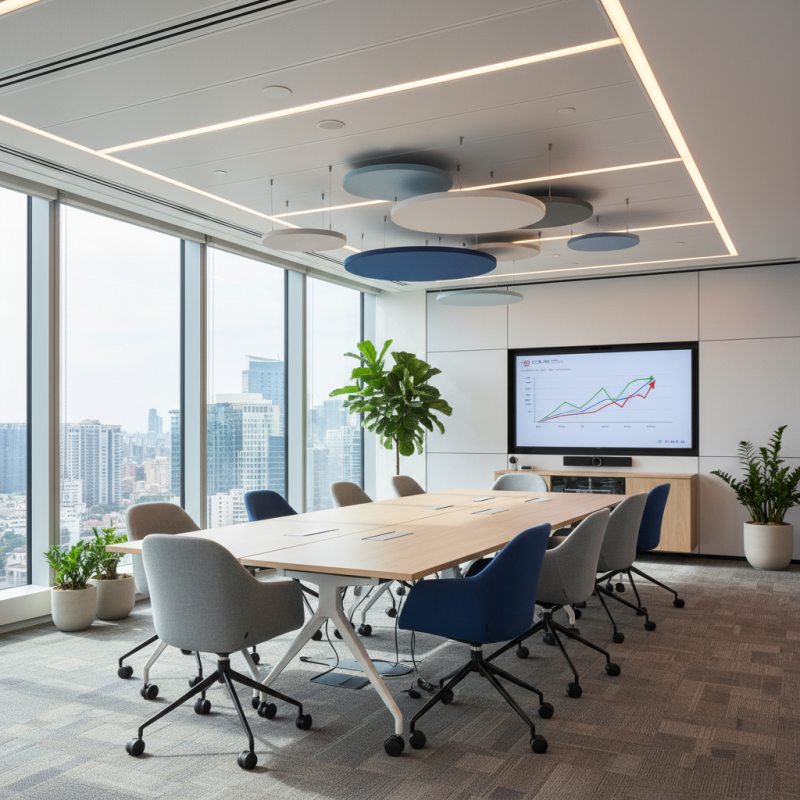
Choosing the right location and layout for your conference room is crucial to fostering effective collaboration. According to a report by the International Facility Management Association, 70% of organizations see improved productivity when their spaces support teamwork. This indicates that thoughtful design directly impacts engagement.
When selecting a location, consider accessibility. A central spot within the office encourages participation. Proximity to amenities, such as break rooms or quiet zones, can also enhance the experience. For layout, flexibility is key. Circular layouts can promote open dialogue. Meanwhile, traditional rectangular setups may limit interactions. This variation allows you to adapt for different meeting types.
Tip: Use technology wisely. Ensure sufficient power outlets and Wi-Fi access. Invest in video conferencing tools. Remote participants should feel as included as the in-person attendees. Another tip: consider acoustics. Soundproofing partitions can reduce distractions. A well-crafted layout should minimize interruptions, allowing for focused discussions. Adjustments to the layout may become necessary as team dynamics evolve. Regular feedback on the space can yield insights for improvement.
Selecting appropriate furniture for a conference room is crucial. The right pieces influence comfort and functionality. According to a report by the International Facility Management Association, around 67% of employees find comfort to be a key factor in meeting productivity. A well-designed chair can improve posture and reduce fatigue during long meetings.
Consider adjustable furniture. Height-adjustable tables allow participants to choose their preferred working position. A study from the Centers for Disease Control and Prevention indicates that standing while working can increase energy levels. It can also change the dynamics of discussions, promoting engagement. Conversely, relying solely on traditional seating may lead to discomfort and reduced attention spans.
Incorporate ergonomic elements. Soft seating can offer a relaxed atmosphere but must support proper posture. Some comfort comes at the expense of functionality. Too many plush chairs can restrict mobility and hinder collaboration. Reflecting on space usage helps balance comfort with practical needs. Ultimately, understanding how individuals interact within the space can guide better furniture choices.
Designing an efficient conference room requires thoughtful consideration of technology. Effective communication and collaboration can significantly enhance productivity. Here are some key tips to get started.
Start by integrating video conferencing tools. This allows remote participants to actively engage. Ensure you have reliable internet connectivity. A stable connection is crucial for seamless interactions. Use quality microphones and cameras. This setup can drastically improve audio and visual experiences during meetings.
Consider interactive display screens. These facilitate brainstorming sessions. Participants can share ideas visually, making discussions livelier. Make sure to arrange the furniture for easy access to technology. Avoid cluttered setups that can distract attendees. Prioritize comfort, as it affects focus and participation. Create a balance between aesthetics and functionality.
Reflect on the layout and technology use regularly. Are the tools being utilized effectively? Collect feedback from users about their experiences. Continuous improvement is essential for an effective conference room.
Lighting and acoustics play crucial roles in designing an effective conference room. Research shows that lighting directly impacts productivity and mood. A study by the American Society of Interior Designers found that well-lit environments can increase productivity by up to 20%. Natural light is key; it enhances attention and reduces fatigue. Simple adjustments, like using adjustable blinds, can help control light levels and minimize glare on screens.
Acoustics are equally important. Poor sound quality can hinder communication. A report from the National Institute of Standards and Technology reveals that clear acoustics can improve information retention by 30%. Wall panels, carpets, and ceiling tiles can absorb excess noise, creating a comfortable atmosphere. Yet, many conference rooms underestimate the value of sound design. This oversight can lead to disengagement and frustration during meetings.
Balancing these elements can be challenging. Finding the right combination of light and sound is a process of trial and error. Frequent evaluations of room performance can pinpoint issues. Listening to user feedback helps in making necessary adjustments. Implementing these changes can lead to a more dynamic and engaging conference experience.
Designing a conference room that is flexible and adaptable is crucial for today’s dynamic workplace. The space should cater to various activities, from presentations to collaborative brainstorming sessions.
Flexibility starts with movable furniture. Lightweight tables and chairs can rearrange easily. This allows for quick adjustments based on the meeting size or format.
Incorporating technology is essential. Use wireless systems for audio-visual requirements. This keeps the room uncluttered and adaptable. A large screen is better than multiple smaller ones. It provides a clear view for everyone, regardless of seating arrangement.
Consider the lighting. Natural light can enhance creativity. Use window treatments that let in light but allow privacy when needed. However, be cautious with glare during presentations. Acoustic panels are useful too. They help manage sound quality, ensuring clear communication.
Keep decor simple but inspiring. Art or motivational quotes can stimulate discussion. Ensure that any design choices remain flexible for changing trends. A truly adaptable conference room is not just a space; it reflects the company’s vision and adaptability to change.
: The location is crucial. A central spot encourages participation and engagement.
Circular layouts promote open discussions. Traditional rectangles may limit interactions.
Technology enhances communication. Video conferencing tools engage remote participants effectively.
The right furniture boosts comfort. Comfort directly affects productivity during meetings.
They allow participants to choose their position, promoting better energy levels and engagement.
Soundproofing reduces distractions. It helps maintain focused discussions and effective collaboration.
Balance comfort with practicality. Too much plush seating can hinder mobility.
Regular reviews are important. Adjustments may be needed as team dynamics evolve.
Feedback provides insights for enhancements. Continuous improvement is essential for effectiveness.
Aesthetic appeal matters. However, it should not compromise functionality or comfort.
Designing an efficient conference room is essential for fostering collaboration and effective communication within any organization. To achieve this, start by carefully choosing the right location and layout that encourages interaction while minimizing distractions. Furniture selection is equally important; opt for pieces that provide comfort and functionality, catering to both formal meetings and casual brainstorming sessions.
Incorporating technology is vital for enhancing communication and collaboration, ensuring that all participants can engage seamlessly. It's also crucial to ensure adequate lighting and acoustics, which play significant roles in maintaining participants' attention and overall engagement. Finally, designing the space for flexibility and adaptability will allow the conference room to meet various needs and accommodate different group sizes, ensuring it remains functional for years to come. Overall, understanding how to design an efficient conference room can significantly impact the productivity and morale of any team.

Sitnova Furniture