In recent years, businesses have started to recognize the impact of their choices on the environment. One area that has gained significant attention is office furniture. Experts point out the reasons behind this shift. According to Dr. Emily Carter, a sustainability consultant, “The move towards sustainable office furniture reflects a broader commitment to a greener future.” This statement resonates with many organizations.
Companies are increasingly prioritizing eco-friendly options in their workspaces. The sustainable office furniture trend addresses both environmental concerns and employee well-being. The choice of materials, durability, and design plays a crucial role in this movement. For example, furniture made from recycled materials or sustainably harvested wood reduces waste and contributes to a healthier planet.
Moreover, businesses are recognizing that eco-friendly furniture can enhance their brand reputation. Consumers are more likely to support companies that demonstrate a commitment to sustainability. However, challenges remain. Not all products labeled as sustainable truly meet rigorous standards. This gap warrants careful consideration and ongoing evaluation. As the question of "why sustainable office furniture is gaining attention" continues to unfold, companies must engage in transparent practices to lead the way.
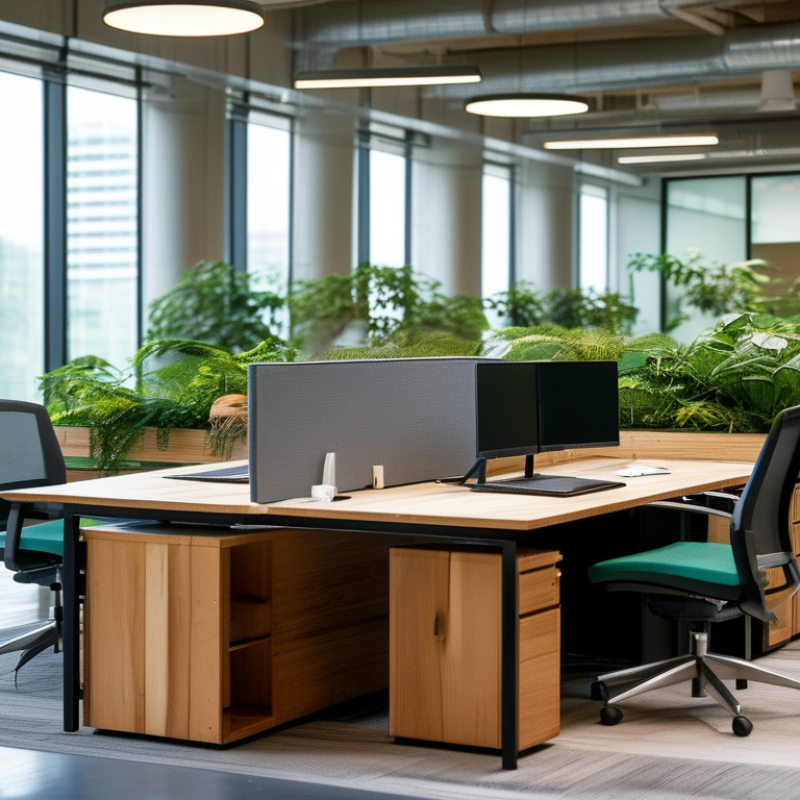
Sustainable office furniture is becoming essential for modern workplaces. A study by Research and Markets found that the global market for eco-friendly office furniture is projected to reach $50 billion by 2027. This growth reflects a shift toward greener operations. Many companies are now prioritizing sustainability in their procurement processes.
The importance of eco-friendly office furniture is closely tied to employee well-being. According to a report from the Global Wellness Institute, a positive workspace can increase productivity by up to 30%. Well-designed sustainable furniture promotes not only a healthier environment but also enhances comfort. Materials that are non-toxic and recyclable help reduce indoor air pollution.
Despite the rise of sustainable options, challenges remain. Sourcing truly sustainable materials can be complicated. Some businesses may not have access to high-quality options. Others may struggle with balancing cost and sustainability. Additionally, awareness and understanding of eco-friendly practices can vary. Companies must navigate these issues carefully to implement effective solutions.
Sustainable materials are reshaping office design. Nearly 75% of employees prefer working in eco-friendly environments. This demand reflects a growing awareness of sustainability in workplace culture. Sustainable furniture positively impacts employee morale and productivity.
Natural materials like bamboo and reclaimed wood are increasingly used. They offer durability and aesthetic appeal. According to industry reports, sustainable office furniture can reduce emissions by up to 30%. This statistic catches attention among designers and business owners alike.
However, the shift to sustainable materials is not without challenges. Sourcing eco-friendly products can sometimes be more expensive. Organizations often face budget constraints. Still, many realize the long-term benefits. Investing in sustainable designs can lead to lower operational costs and a healthier workspace.
The shift towards eco-conscious office furniture is more than just a trend. Research indicates that sustainable materials can significantly enhance indoor air quality. This improvement can lead to fewer headaches and respiratory issues among employees. Choosing furniture made from recycled or natural materials reduces exposure to harmful chemicals commonly found in traditional office furnishings. A healthier work environment fosters productivity and employee satisfaction.
Consider the aesthetic aspect as well. Eco-friendly furniture often boasts natural designs that bring warmth to office spaces. This design choice can reduce stress and improve overall well-being. Incorporating plants and wood elements enhances the atmosphere, making work more enjoyable. However, the challenge lies in balancing style and sustainability. Not all suppliers prioritize eco-friendliness. Companies must carefully vet their sources, ensuring they align with sustainable practices.
Another consideration is durability. While sustainable options may initially cost more, their longevity can save money over time. However, not all green materials hold up well under daily use. Businesses should seek furniture that is both eco-friendly and resilient. An informed choice reflects a commitment to health and sustainability. The journey to eco-consciousness requires continuous learning and adaptation. Keeping abreast of new materials and design philosophies is essential for fostering a truly sustainable office.
| Reason | Description | Health Benefits |
|---|---|---|
| 1. Improved Air Quality | Eco-friendly materials emit fewer volatile organic compounds (VOCs). | Reduces respiratory issues and allergies. |
| 2. Enhanced Ergonomics | Designed for better posture and comfort. | Decreases back pain and increases productivity. |
| 3. Noise Reduction | Absorb sound better than traditional materials. | Promotes better concentration and mental health. |
| 4. Improved Aesthetic | Often features modern, stylish designs. | Boosts morale and creates a positive workspace. |
| 5. Reduced Toxicity | Made without harmful chemicals. | Lessens health risks associated with chemical exposure. |
| 6. Longevity | Often built to last longer than non-sustainable options. | Cost-effective and reduces stress of frequent replacements. |
| 7. Support for Local Economies | Frequently sourced from local materials. | Encourages community health and well-being. |
| 8. Customization | More options for tailored solutions. | Increases user comfort and satisfaction. |
| 9. Energy Efficiency | Many are produced with less energy. | Encourages a culture of sustainability in the workplace. |
| 10. Brand Image | Aids in creating a socially responsible image. | Instills pride among employees and attracts talent. |
Sustainable office furniture is not just a trend. It presents significant economic advantages for businesses. More companies are considering green furnishings as they seek cost-effective solutions. Sustainable materials often last longer than conventional options, leading to lower replacement costs. This is a smart investment for long-term savings.
Additionally, energy-efficient manufacturing processes can cut production costs. When companies reduce energy consumption, they decrease their utility bills. Moreover, sustainable furniture often comes with less toxic materials. This can lead to fewer health-related employee absences, increasing overall productivity.
Some organizations might hesitate to invest in sustainable options due to higher upfront costs. This viewpoint requires reflection. The initial expense can be outweighed by long-term gains. Green furnishings often enhance employee satisfaction, resulting in higher retention rates. In a changing market, businesses should consider these lasting benefits. Emphasizing sustainability can lead to both economic success and a positive brand image.
Sustainability has become a key component of corporate social responsibility (CSR). Businesses are increasingly recognizing their role in protecting the environment. This shift is not merely a trend; it's a necessity. Companies understand that their operations impact the planet. Therefore, they strive to adopt sustainable practices in every aspect of their business, including office furniture.
Using sustainable office furniture demonstrates commitment to environmental stewardship. It can be made from recycled materials or sourced from responsible suppliers. This choice reflects the values of a company. Employees feel proud to work in an eco-friendly environment. However, making the switch is not always straightforward. Many companies face challenges in accessing sustainable options. Some may struggle to balance cost and responsibility.
Reflecting on sustainability highlights the importance of transparency and accountability. Companies should regularly assess their suppliers and materials. Are they genuinely sustainable? Can they prove it? Employees and consumers alike demand answers. As businesses navigate these complexities, they must remain open to feedback. Embracing sustainability is not just a checkbox; it's an ongoing journey toward a better future.
Sustainable office furniture is gaining traction due to various factors that support the values of modern businesses. The chart above highlights ten significant reasons contributing to its popularity, demonstrating awareness and responsiveness to environmental concerns and employee well-being.
: They enhance employee morale and productivity while reflecting awareness of environmental sustainability.
Natural materials like bamboo and reclaimed wood are popular due to their durability and appeal.
Reports indicate it can reduce emissions by up to 30%, appealing to designers and business owners.
Sourcing eco-friendly products can be costly, leading to budget constraints for organizations.
It reflects a business's commitment to environmental stewardship and responsible operations.
They must assess whether materials are truly sustainable and whether suppliers can prove their claims.
Employees and consumers demand accountability regarding sustainable practices and supplier choices.
No, many companies struggle to balance cost with their responsibility to the environment.
Employees often feel proud to work in environments that reflect eco-friendly values.
It requires constant assessment, feedback, and adjustment to ensure genuine commitment to sustainable practices.
The increasing focus on sustainable office furniture is driven by several key factors that highlight why sustainable office furniture is gaining attention. Firstly, the importance of eco-friendly materials is growing, as businesses and designers recognize the need to minimize environmental impact and promote sustainability in office design. This shift not only enhances aesthetics but also aligns with modern values, leading to healthier workspaces that promote employee well-being.
Moreover, investing in green furnishings offers economic advantages, such as reduced energy costs and potential tax benefits, making it a wise choice for businesses. Finally, the integration of sustainability into corporate social responsibility initiatives illustrates a commitment to ethical practices that can enhance brand reputation and attract environmentally conscious consumers. Overall, the emphasis on sustainability is shaping the future of office environments and driving demand for eco-conscious solutions.

Sitnova Furniture