How Smart Offices Are Shaping Modern Furniture Design Trends?

Time:2026-07-07 Author:Oliver
0%

In the evolving landscape of work environments, the impact of technology on furniture design cannot be overlooked. As businesses adopt smart offices, furniture is transforming to enhance flexibility and connectivity. Richard Jones, a leading expert in workspace innovation, states, "Smart offices are redefining how furniture integrates with technology." This perspective underscores the necessity for designers to adapt their creations.

The traditional approach to office furniture often emphasized aesthetics over functionality. Today, with interconnected devices and collaborative workspaces in mind, designers are challenged to rethink these norms. For instance, adjustable desks now incorporate smart technology that remembers user preferences. This trend highlights how smart offices influence furniture design in practical, innovative ways.

Yet, this evolution raises questions. Are we sacrificing aesthetic individuality for tech integration? The balance between functionality and style remains a nuanced conversation among designers. Ultimately, understanding how smart offices influence furniture design opens the door to new possibilities, urging professionals to reflect critically on their choices.
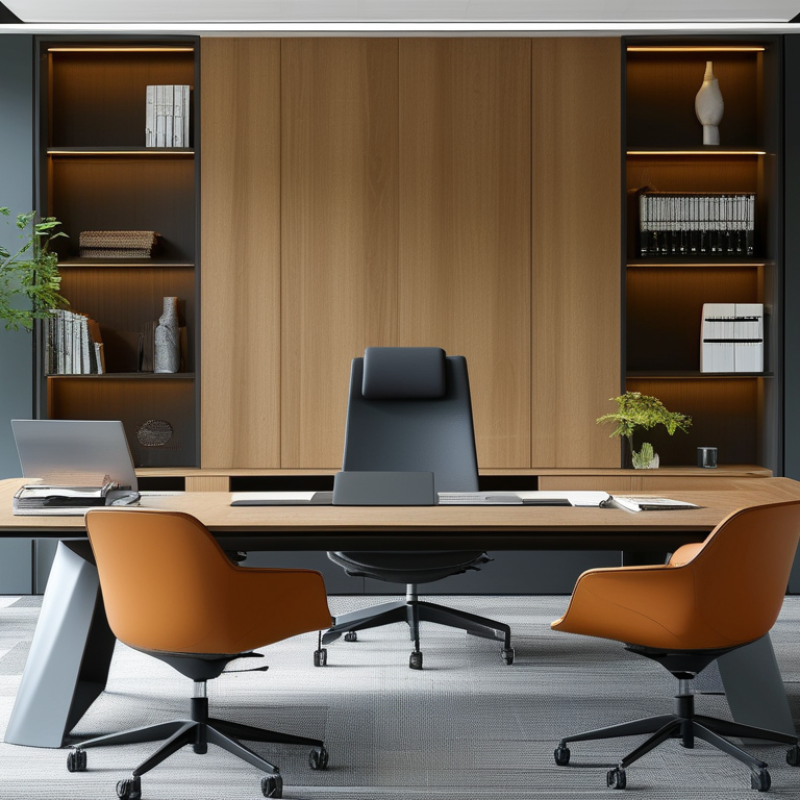
How Smart Offices Are Shaping Modern Furniture Design Trends?

The Rise of Smart Offices and Their Impact on Workspace Design

The rise of smart offices is transforming workspace design significantly. According to a report by JLL, 75% of employees seek a flexible workspace. They want environments that adapt to their needs. This shift often leads to open layouts, allowing for collaboration and communication. Smart technology integrates into furniture design, promoting health and productivity.

Innovations like adjustable desks and app-controlled lighting respond directly to individual preferences. A study from Steelcase reveals that 94% of office workers feel more engaged in settings that allow personalization. However, some challenges arise. Not every worker thrives in an open-plan setup; noise and distractions can be a drawback. Additionally, reliance on technology may complicate simple tasks for some employees.

Furniture designers face the task of balancing flexibility and privacy in their designs. Trends suggest mixing private spaces within open environments. This allows for both collaboration and focused work. The need for ergonomic solutions is evident as workers spend extended hours at desks. Reflections on how to achieve this balance are crucial for future designs.

Impact of Smart Offices on Modern Furniture Design Trends

Key Features of Smart Offices Influencing Modern Furniture Trends

As smart offices gain traction, their influence on modern furniture design becomes increasingly clear. According to a recent report by the International Facility Management Association, 70% of companies are investing in smart technologies to enhance workplace productivity. A significant aspect of this transition involves ergonomic furniture that adapts to the user’s needs. Height-adjustable desks are now a staple, enabling employees to switch between sitting and standing easily.

Smart furniture integrates technology that promotes collaboration and efficiency. For instance, furniture with built-in charging ports and connectivity features is becoming commonplace. A study by Forrester Research highlighted that 53% of employees find that technology-enabled spaces improve their focus. However, while these innovations are beneficial, there is a tendency to overlook the aesthetic appeal. A balance between functionality and design is critical but often challenging to achieve.

The trend also emphasizes sustainability. The Global Sustainability Forum reported that 82% of employees prefer eco-friendly materials in their work environment. This shift pushes designers to think creatively while addressing environmental concerns. Still, the challenge remains to develop pieces that are both stylish and sustainable. As the smart office landscape evolves, designers must continue to reflect on these aspects for meaningful outcomes.

Sustainability and Technology: The Dual Drivers of Furniture Innovation

Smart offices are revolutionizing the way we think about furniture design. Sustainability is a primary concern for many organizations today. Furniture made from recycled materials is becoming more common. Eco-friendly designs reduce waste and limit environmental impact. This approach is not just beneficial but necessary. As a result, designers are exploring innovative materials. Bamboo and reclaimed wood are gaining popularity. These resources offer unique styles while supporting sustainability.

Technology also plays a critical role in furniture innovation. Smart furniture integrates technology seamlessly into design. For instance, desks with built-in charging ports enhance convenience. Adjustable workstations cater to individual preferences and promote ergonomic health. Many offices now feature modular furniture that can be reconfigured. This flexibility meets various needs and fosters collaboration among teams.

However, the balance between aesthetics and functionality remains challenging. Not all designs resonate with users. Some may prioritize beauty over practicality. Others might overlook sustainability in their quest for innovation. Designers must continually reflect on these aspects. Addressing these issues can lead to more thoughtful, user-centric designs in smart office environments.

Flexible Furniture Solutions for Dynamic Office Environments

Modern office environments require flexible furniture solutions that adapt to dynamic needs. Smart offices prioritize collaboration and productivity. To achieve this, furniture design is evolving. Multi-functional desks and movable partitions allow for quick reconfigurations. These innovations encourage teamwork while maintaining privacy.

Tips: Consider modular furniture, as it can easily adapt to various office layouts. Invest in pieces that combine both comfort and functionality. This dual approach enhances the workspace experience.

The integration of technology into furniture is also crucial. Desks with built-in charging stations and meeting rooms equipped with smart boards empower employees. However, the challenge lies in balancing aesthetics and functionality. A visually appealing office may sacrifice practical use, and that needs contemplation. Space planning should not overlook employee well-being.

Incorporating biophilic elements can improve the overall atmosphere. Natural light and greenery boost morale. Still, striking the right balance between nature and technology is a delicate task. Reflecting on these aspects enriches the office experience while ensuring optimal productivity.

The Future of Collaborative Spaces: Furniture Adaptations in Smart Offices

The landscape of modern workspaces is evolving rapidly. Smart offices integrate technology seamlessly into collaborative spaces. This integration influences furniture design significantly. Adaptive furniture can transform a static office into a flexible environment. For instance, tables that adjust height encourage movement. Chairs designed for comfort can enhance productivity.

Collaboration is key in these spaces. Designers are now crafting furniture that promotes teamwork. Modular seating can easily be rearranged for group discussions. Open layouts allow natural light to enhance well-being. Yet, not all designs succeed in these goals. Some pieces may lack comfort or functionality, leading to frustration.

Reflecting on these changes, it’s clear that smart offices push boundaries. The need for adaptability is crucial. Some organizations overlook the importance of user experience in design. Future trends must prioritize usability and comfort while being aesthetically pleasing. Only then can we create spaces that truly foster collaboration.

How Smart Offices Are Shaping Modern Furniture Design Trends

Dimension Description Trend Effect
Flexible Workstations Desks and chairs that can be easily reconfigured. Promotes collaboration and adaptability in team settings.
Ergonomic Design Furniture designed to support health and reduce strain. Increases productivity and employee satisfaction.
Tech-Integrated Furniture Desks and chairs with built-in charging ports and connectivity. Enhances access to technology for seamless work transitions.
Sustainable Materials Furniture made from eco-friendly and recycled materials. Supports corporate social responsibility and appeals to eco-conscious users.
Modular Systems Interchangeable units that can be configured in various ways. Offers versatility to adapt spaces as needs change.

FAQS

: What is a key feature of smart offices affecting furniture design?

: Ergonomic furniture that adapts to user needs is essential in smart offices.

Why are height-adjustable desks popular?

They allow employees to easily switch between sitting and standing.

How does technology influence modern furniture?

Smart furniture includes features like built-in charging ports to enhance collaboration and efficiency.

What do many employees prefer in their work environment?

A significant number prefer eco-friendly materials to promote sustainability.

What materials are becoming more common in office furniture?

Furniture made from recycled materials and options like bamboo and reclaimed wood are gaining popularity.

Why is achieving a balance between aesthetics and functionality difficult?

Some designs may focus more on beauty than practicality, causing potential issues for the user.

How can modular furniture be beneficial?

It can be reconfigured to meet various needs, promoting team collaboration.

What challenge do designers face in modern furniture innovation?

They often struggle to create pieces that are both stylish and sustainable.

Why is it necessary for designers to reflect on their work?

Continuous reflection can lead to user-centric designs that balance innovation, sustainability, and aesthetics.

Conclusion

The emergence of smart offices is significantly transforming furniture design trends, as these innovative workspaces prioritize flexibility, sustainability, and technology. Smart offices influence furniture design by integrating features that promote collaboration and adaptability, aligning with the evolving needs of modern work environments. This shift emphasizes the creation of flexible furniture solutions that support both individual and team-based activities, accommodating varying work styles and preferences.

Additionally, the dual drivers of sustainability and advanced technology are reshaping the way furniture is conceived and manufactured. Designers are increasingly focusing on eco-friendly materials and smart functionalities that enhance user experience. As we look to the future, collaborative spaces will continue to inspire new furniture adaptations, showcasing how smart offices influence furniture design and setting new standards for workspace functionality and aesthetics.

Oliver

Oliver

Oliver is a seasoned marketing professional with a wealth of expertise in driving brand awareness and engagement. With a deep understanding of our company's product offerings, he consistently delivers high-quality content that enriches our professional blog. His insights not only shed light on......