In contemporary office environments, understanding how office seating affects posture and health is more vital than ever. A study by the American Chiropractic Association indicates that over 80% of Americans will experience back pain at some point in their lives. Often, poor seating choices contribute significantly to this issue.
Office workers typically sit for long periods, and improper seating can lead to musculoskeletal disorders. The World Health Organization highlights that these disorders can result in reduced productivity and increased healthcare costs. Ergonomic seating choices can mitigate these risks, yet many companies overlook this aspect of workplace design.
Employers must recognize the impact of office seating on their teams. A report from the National Institute for Occupational Safety and Health suggests that investing in ergonomic chairs can yield a return on investment by reducing absenteeism and promoting employee well-being. The evidence is clear: the right seating matters.
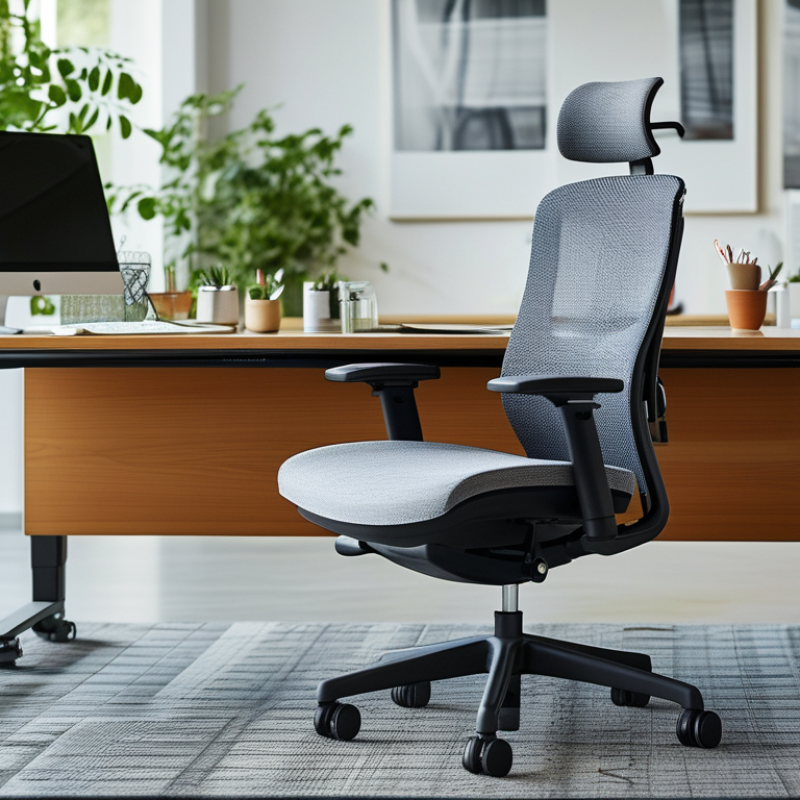
Choosing the right office seating is crucial for maintaining good posture. Ergonomically designed chairs support the natural curve of the spine. Poor seating can lead to long-term health issues. According to a study published by the American Journal of Public Health, nearly 70% of office workers experience back pain due to inadequate seating.
Improper posture can short-term effects like fatigue and discomfort. Over time, it may contribute to more serious conditions. The National Institute of Occupational Safety and Health (NIOSH) states that ergonomic improvements in the workplace can reduce back and neck pain by up to 30%. Investing in quality seating can lead to better productivity and overall well-being.
Not all chairs promote proper posture. Many people overlook the role of seat height, back support, and armrests. This oversight can lead to unhealthy work habits. Regular breaks for stretching are essential, but they don't replace the need for supportive seating. Rethinking office furniture could be the first step towards a healthier workplace.
| Seating Type | Posture Support | Health Impact | Recommended Duration (hours) |
|---|---|---|---|
| Ergonomic Chair | Excellent | Reduces back pain, encourages good posture | 8+ |
| Standard Office Chair | Moderate | May lead to discomfort over long periods | 4-6 |
| Standing Desk | Good | Helps reduce risk of sedentary-related issues | 4-8 |
| Saddle Chair | Very Good | Encourages hip alignment and reduces lower back strain | 4-6 |
The type of office seating you choose significantly impacts your posture and overall health.
Ergonomic chairs are designed to support the natural curve of your spine.
They promote proper alignment, reducing strain on your lower back. A study by the National Institute of Occupational Safety and Health found that
70% of workers using ergonomic chairs reported better comfort levels.
Conversely, traditional office chairs often lead to slumped postures. This slouching increases pressure on spinal discs. Prolonged poor posture can result in chronic pain and decreased productivity.
In fact, a report from the American Chiropractic Association revealed that back pain is among the top reasons for missed workdays.
Tips: Adjust your chair height to ensure your feet are flat on the floor.
Take breaks to stand and stretch; this helps alleviate built-up tension. Additionally, consider using a
lumbar support cushion, which can assist with maintaining the spine's natural alignment during long hours of sitting.
Remember, the journey to improved posture starts with conscious choices in office seating.
Poor office seating can lead to significant postural issues. Research indicates that about 70% of office workers experience neck or back pain due to improper seating arrangements. These conditions often stem from prolonged periods spent in a slouched position. When chairs lack adequate lumbar support, individuals tend to lean forward, creating unnecessary pressure on the spine.
Another common issue is the lack of adjustability in office chairs. Many users remain fixed in one position, leading to muscle fatigue and discomfort. According to a study published by the American Chiropractic Association, ergonomic chairs can reduce the risk of musculoskeletal disorders by up to 50%. However, not all workplaces prioritize ergonomic designs. A one-size-fits-all approach often results in workers adjusting poorly to their seating, aggravating existing posture problems.
Moreover, seated workers typically neglect their alignment. Without proper reminders, they may find themselves sitting with rounded shoulders or a forward head posture. This not only impacts physical health but can also affect mental well-being. Over time, chronic pain can lead to increased absenteeism and lower productivity. Thus, it is essential to evaluate and optimize office seating arrangements for long-term health benefits.
Poor posture in the workplace can significantly affect health. Research shows that around 60% of office workers experience discomfort due to improper seating. A study from the American Chiropractic Association indicates that poor posture can lead to chronic pain, particularly in the neck and lower back. Over time, this discomfort can evolve into more serious conditions, including musculoskeletal disorders. The prolonged strain on the spine can lead to nerve issues and even reduced lung capacity.
Innovative studies highlight the importance of ergonomics in office design. For instance, a report by the Occupational Safety and Health Administration found that well-designed workstations can reduce injuries. Simple adjustments, such as chair height or desk position, can foster better posture. Consider investing in adjustable chairs and desks that promote an upright position.
Tips for improving posture include taking regular breaks to stand and stretch. Simple stretches can relieve tension and help reset your posture. Position computer monitors at eye level to avoid slouching. Practice sitting back in your chair, utilizing lumbar support. These minor changes can result in significant health benefits over time. Everyone deserves a workspace that supports their well-being.
Choosing the right office seating is essential for your health and posture. Ergonomic chairs are designed to support your body’s natural alignment. Look for features such as adjustable height, lumbar support, and armrests. These can promote better posture and reduce the risk of discomfort. Make sure the chair height allows your feet to rest flat on the ground. This will help in maintaining circulation.
Consider the material of the chair as well. Breathable fabrics can provide comfort during long hours. Memory foam cushions offer additional support and reduce pressure points. However, it is important to test various options to find what truly fits you. Sometimes, a highly recommended chair may not suit your individual needs.
Another important consideration is how you sit in the chair. Bad habits, like slouching or leaning forward, can negate the benefits of an ergonomic chair. Regular breaks and simple stretches can help counteract the negative effects of prolonged sitting. Ultimately, reflect on your current seating arrangement and make adjustments where necessary. Your health deserves attention.
: Office seating significantly affects posture and overall health. Proper alignment reduces strain on your lower back.
Ergonomic chairs support the spine's natural curve. They promote better comfort and can enhance long-term health.
Common issues include neck and back pain. Slouched positions lead to chronic pain and decreased productivity.
They can cause muscle fatigue and discomfort. Many users remain fixed in one position, exacerbating posture issues.
Adjust your chair height for flat feet. Use lumbar support cushions and take regular stretching breaks.
Yes, studies show ergonomic chairs can reduce musculoskeletal disorder risks by up to 50%.
Yes, chronic pain can lead to mental health issues. Neglecting alignment affects both physical and mental states.
It's advisable to change positions frequently. Sitting in one position for too long can cause discomfort.
Signs include leaning forward and rounding shoulders. These positions create unnecessary stress on the spine.
Yes, but not all do. A one-size-fits-all approach often worsens posture problems for many workers.
The article "How Office Seating Impacts Your Posture and Health?" emphasizes the critical role that office seating plays in maintaining proper posture and overall health. It begins by explaining the significance of choosing the right seating to support postural alignment and prevent common issues such as back pain and discomfort. Different types of office seating are analyzed for their effects on posture, highlighting how improper seating can lead to various postural problems.
Moreover, the article discusses the health implications associated with poor posture in the workplace, stressing the long-term risks it poses to physical well-being. To counter these negative effects, practical tips for selecting ergonomic office seating are provided, aiming to promote better health. In summary, understanding how office seating affects posture and health is essential for fostering a conducive work environment that supports both comfort and productivity.

Sitnova Furniture