In the modern workplace, the impact of office seating on posture and health is becoming increasingly evident. According to Dr. Sarah Johnson, an expert in ergonomic research, “The right chair can significantly alter your posture and overall wellbeing.” Many professionals spend hours seated. Poor seating choices lead to discomfort and health issues over time.
Research shows that improper seating can contribute to back pain and repetitive strain injuries. An excellent chair promotes good posture, providing lumbar support that aligns the spine. This alignment helps mitigate long-term health risks associated with sedentary lifestyles. However, finding the right balance in office seating can be challenging.
It is crucial to consider personal comfort and adjustability. Ergonomics is not a one-size-fits-all solution. Many users face difficulties when adapting to recommended postures. Regular breaks and movement are also essential. Ultimately, understanding how office seating affects posture and health can empower individuals to make informed choices for their wellbeing.
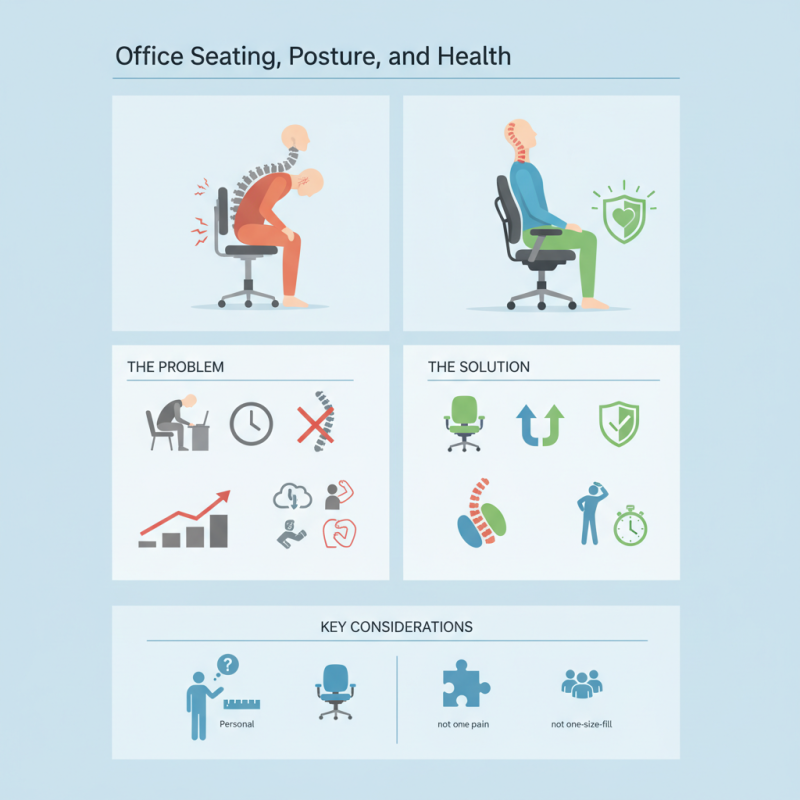
Posture plays a significant role in overall health, especially in office environments. The choice of seating can greatly impact our spinal alignment. Good office chairs provide lumbar support, helping to maintain the natural curve of the spine. This support can reduce strain on the back and neck, minimizing discomfort during long working hours. However, many fail to adjust their seating correctly, which can lead to poor posture.
Inappropriate seating positions contribute to various health issues. Slouching in a chair may feel comfortable initially, but it can lead to muscle fatigue. Office workers often find themselves leaning forward, straining their neck and shoulders. Over time, this can lead to chronic pain. It's essential to recognize these risks and make necessary adjustments. Sitting up straight and using ergonomic chairs can make a difference.
Lighting and desk height also play a crucial role in postural alignment. Screens placed too high or low can cause awkward head positions. This issue is often overlooked, leading to discomfort. Many people benefit from standing desks, which promote better posture while working. Being mindful of one's seating arrangement is vital for long-term health. Changes may seem small, but they can lead to significant improvements over time.
| Seating Type | Postural Support | Health Benefits | Average Price ($) |
|---|---|---|---|
| Ergonomic Chair | High | Reduces back pain, increases productivity | 300 |
| Task Chair | Medium | Improves focus, moderate comfort | 150 |
| Saddle Stool | Low | Encourages active sitting, improves core strength | 100 |
| Recliner Chair | Medium | Relaxation, reduces stress | 400 |
| Standing Desk | N/A | Reduces neck and shoulder pain | 500 |
: Posture affects overall health, impacting spinal alignment and reducing strain on the back and neck.
Poor seating can lead to back pain, neck strain, and fatigue, affecting daily productivity.
Incorrect seating can cause muscle fatigue and chronic pain over time, often due to slouching.
Ergonomic chairs offer lumbar support, promoting better posture and reducing the risk of discomfort.
Screens set too high or too low can create awkward head positions, leading to neck strain.
Yes, minor changes like elevating screens or using a footrest can alleviate strain and improve comfort.
Regular breaks allow for movement, helping to counteract the negative effects of prolonged sitting.
Reflection on your seating habits encourages healthier choices and promotes overall well-being.
Ignoring discomfort can worsen health issues and decrease productivity over time.
A correctly set-up workspace enhances alignment, leading to increased alertness and reduced fatigue.
The article "How Office Seating Affects Posture and Health Benefits" explores the critical relationship between office seating and its impact on postural alignment. Proper ergonomic seating is essential for maintaining good posture, which can prevent various health issues associated with prolonged sitting. Poor seating choices can lead to chronic pain, musculoskeletal disorders, and decreased productivity.
To address these concerns, the article outlines strategies for improving office seat design, emphasizing the need for adjustable features and adequate support. By prioritizing proper posture through thoughtful seating choices, workplaces can foster a healthier environment, enhancing employee well-being and overall productivity. Ultimately, understanding how office seating affects posture and health is vital for creating a conducive work atmosphere where both physical comfort and efficiency thrive.

 Sitnova Furniture