How Office Layout Affects Work Efficiency for Your Business?

Time:2026-05-16 Author:Isabella
0%

In today's fast-paced business environment, how office layout impacts work efficiency is becoming increasingly essential. According to a report from the International Facility Management Association, effective office design can boost productivity by up to 20%. A well-planned layout encourages collaboration and communication among employees. Additionally, ergonomic designs contribute to employee health, reducing absenteeism.

However, many businesses overlook the importance of layout. Often, offices are designed without considering the nature of the work being done. A mismatched layout can lead to distractions and decreased morale. For instance, open-plan offices may foster collaboration but can also increase noise levels, negatively affecting focus.

Iterative designs that adapt to the evolving needs of teams are vital. Organizations must continually assess how their physical space influences employee performance. Ultimately, an intentional approach to office layout can significantly enhance overall work efficiency, making it a crucial aspect of business strategy.
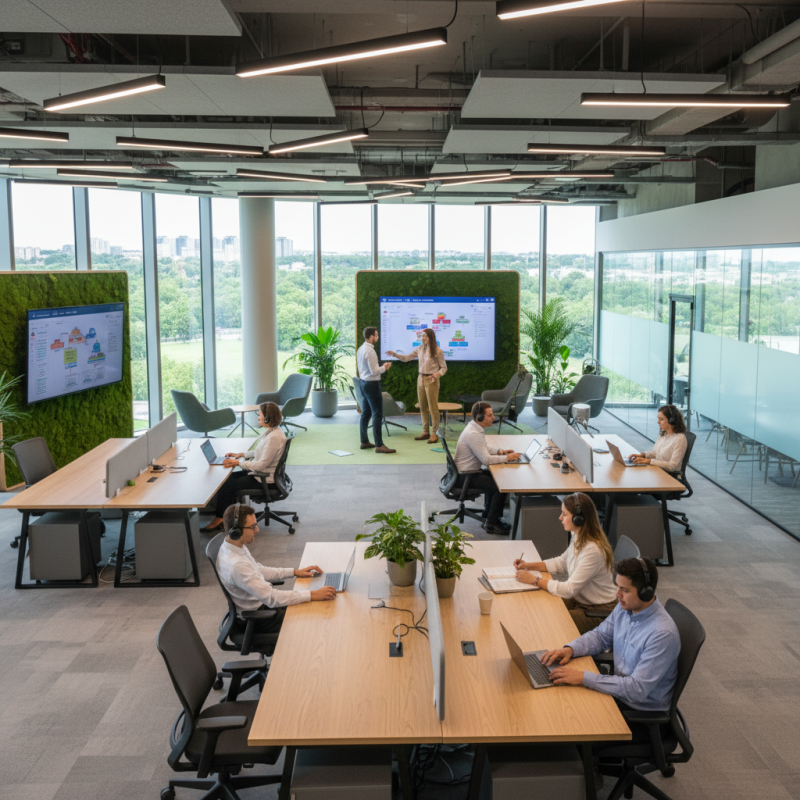
How Office Layout Affects Work Efficiency for Your Business?

The Importance of Office Layout in Enhancing Work Efficiency

The importance of office layout in enhancing work efficiency cannot be overstated. A well-designed workspace can boost employee morale and productivity. Consider the placement of desks and common areas. Open layouts encourage collaboration, but they can also lead to distractions. Finding the right balance is essential.

Ergonomics play a critical role in creating an effective office environment. If employees are uncomfortable, their focus diminishes. Simple adjustments, like chair height and screen position, can make a significant difference. However, these aspects are often overlooked. Regular feedback from staff can help identify issues that may not be immediately visible.

Natural light is another factor that impacts productivity. Offices with ample sunlight tend to have happier employees. Yet, not every workplace can provide this. It's important to incorporate artificial lighting that mimics daylight. These considerations can help create a more enjoyable work atmosphere. Layout choices should reflect the unique culture of your business. Thoughtful design encourages engagement and boosts overall efficiency.

Different Types of Office Layouts and Their Impacts on Productivity

The choice of office layout significantly influences employee productivity. Open spaces can enhance collaboration. They allow for quick discussions and the sharing of ideas. However, these layouts may also introduce distractions. Noise and visual clutter can disrupt focus. This duality needs careful consideration.

Cubicles provide more privacy. Employees can work without interruptions. This boosts concentration and task completion. Yet, cubicles may create feelings of isolation. A lack of open interaction can result in disengagement. Balancing privacy and collaboration is crucial.

Activity-based workspaces encourage flexibility. Employees choose environments that suit their tasks. Some may prefer quiet areas for deep work. Others thrive in dynamic, communal spaces. This type of layout fosters diversity in work styles. Still, it can be challenging to maintain a cohesive culture. Companies must thoughtfully implement such layouts. Each type of design carries its potential benefits and pitfalls. Making informed choices is essential for optimal productivity.

Factors to Consider When Designing an Office Layout for Efficiency

When designing an office layout, several vital factors should be taken into account to enhance work efficiency. The arrangement of workspaces can significantly impact collaboration and communication. Open layouts may encourage teamwork, while cubicles provide privacy. However, the choice isn't always clear-cut. An open space reduces distractions but may increase noise levels. Balancing these elements is crucial.

Another essential aspect is the incorporation of natural light and ventilation. Studies indicate that access to natural light boosts mood and productivity. Employees who work in well-lit environments tend to report higher job satisfaction. Additionally, proper airflow helps maintain focus and reduce fatigue. Finding the right balance between aesthetics and functionality can be challenging, yet it is necessary for a thriving workspace.

Flexibility in the layout is also important. As business needs evolve, so should the workspace. Modular furniture can adapt to different situations. This adaptability helps accommodate team sizes and project types. However, there is a risk of inconsistency in utilization. Regular assessments of layout effectiveness can ensure it remains aligned with the team's workflow and goals.

Case Studies: Successful Office Layouts That Improved Work Performance

The office layout significantly influences work performance. In one case, a tech company restructured its open workspace. The result? Enhanced collaboration and improved communication among employees. Team members found it easier to approach each other. Ideas flourished in this new environment.

Another example comes from a marketing firm that embraced flexibility. They integrated quiet zones with collaborative spaces. This layout allowed employees to focus when needed while promoting teamwork. Feedback showed a marked increase in creativity. Employees reported higher job satisfaction, which is crucial for productivity.

However, not all changes lead to immediate success. Some teams struggled with distractions in open spaces. Others missed the privacy of cubicles. Regular assessments help understand these challenges. Adaptability is key to finding the right balance in office design.

How Office Layout Affects Work Efficiency for Your Business?

Office Layout Type Work Efficiency Improvement (%) Employee Satisfaction Rating (1-10) Collaborative Space (%)
Open Plan 15% 8 60%
Cubicle 5% 6 25%
Hot Desking 10% 7 40%
Private Offices 20% 9 15%

Future Trends in Office Design and Their Expected Effects on Efficiency

The future of office design is rapidly evolving. Open spaces, natural light, and collaborative areas boost creativity and teamwork. Studies reveal that environments tailored for flexibility enhance productivity. Employees who feel comfortable are more engaged and efficient.

Consider incorporating biophilic design elements. Plants promote well-being and reduce stress. Additionally, creating varied work zones allows employees to choose their ideal work setting. This can lead to increased job satisfaction and a sense of autonomy.

Another trend is the adoption of technology in office layouts. Smart offices with adjustable lighting and climate control empower workers to personalize their space. However, too much technology can be overwhelming. It's essential to strike a balance. Focus on a design that fosters both interaction and focus while avoiding distractions.

FAQS

: Why is office layout important for work efficiency?

: A well-designed workspace boosts employee morale and productivity.

How do open layouts affect collaboration?

Open layouts enhance collaboration by allowing quick discussions. However, they may also introduce distractions.

What role does ergonomics play in the workplace?

Ergonomics is critical for comfort and focus. Simple adjustments can make a big difference.

How does natural light influence productivity?

Ample natural light tends to create happier employees. However, not all workplaces have this benefit.

What are the benefits of cubicles?

Cubicles provide privacy, boosting concentration. Yet, they may cause feelings of isolation.

What are activity-based workspaces?

These spaces allow employees to choose environments based on their tasks. This promotes diverse work styles.

How can biophilic design affect the office environment?

Incorporating plants can reduce stress and promote well-being, enhancing job satisfaction.

What challenges come with adopting new technology in office design?

Too much technology can be overwhelming. Striking a balance is essential for productivity.

Why is employee feedback important in office layout?

Regular feedback identifies overlooked issues, improving the workspace significantly.

How can layout choices reflect a company’s culture?

Thoughtful design encourages engagement and aligns with the unique values of the business.

Conclusion

The article "How Office Layout Affects Work Efficiency for Your Business" explores the critical connection between office design and productivity. It emphasizes the importance of creating an effective office layout that can significantly enhance work efficiency. Different types of layouts, such as open spaces, cubicles, and collaborative areas, are examined for their unique impacts on employee performance and interaction.

Moreover, the article outlines key factors that should be considered when designing an office space, including employee needs, workflow, and technological integration. Through various case studies, it highlights successful office layouts that have led to improved work performance. Finally, the article discusses future trends in office design and anticipates their effects on efficiency, underscoring how office layout impacts work efficiency and the necessity for businesses to adapt to these changes for better outcomes.

Isabella

Isabella

Isabella is a dedicated marketing professional with a sharp focus on driving brand growth and engagement through strategic content creation. With an extensive background in digital marketing, she combines her passion for storytelling with her keen understanding of industry trends to deliver......