In today's competitive workplace, the design and quality of office furniture play a significant role in shaping employee productivity. Dr. Sarah Lane, an expert in workplace ergonomics, emphasizes this connection, stating, "Comfortable and functional office furniture is crucial for maintaining focus and enhancing output." Understanding how office furniture influences employee productivity is essential for businesses aiming to create an effective work environment.
Consider the impact of a well-designed chair or an adjustable desk. These elements can reduce discomfort and promote better posture. However, not all furniture choices result in positive outcomes. Poorly designed pieces can lead to distractions and hinder overall efficiency. Thus, the importance of thoughtful selection cannot be underestimated.
Furthermore, the layout of office furniture can affect collaboration and communication. An open arrangement fosters teamwork, while isolated setups can limit interaction. Striking the right balance is vital. Deciding how office furniture influences employee productivity may require ongoing evaluation and adjustments, underscoring the need for continuous improvement in workplace design.
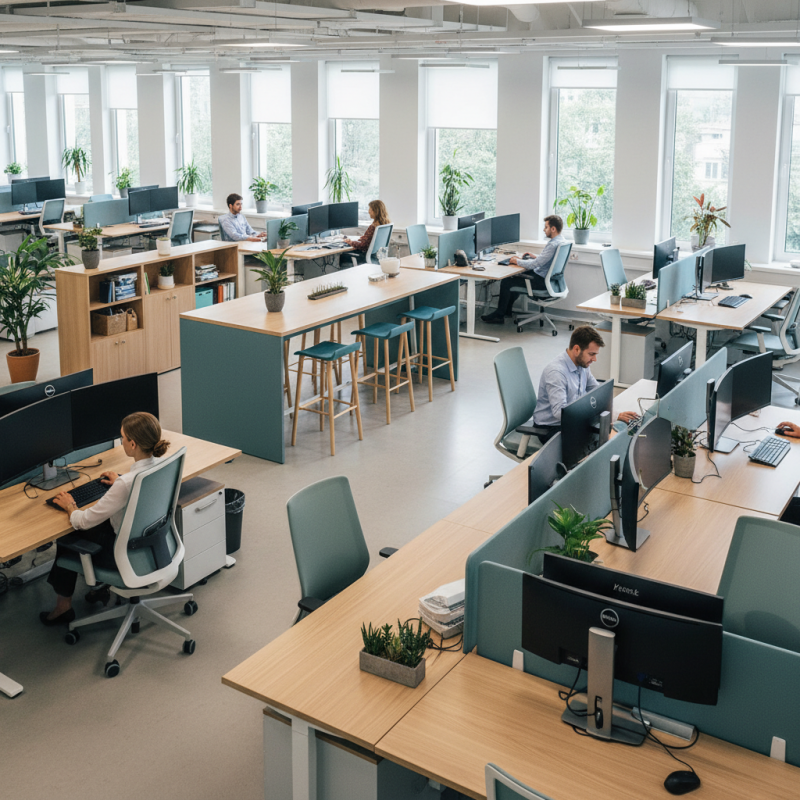
The Role of Office Layout in Enhancing Employee Focus and Efficiency
The office layout plays a crucial role in shaping employee focus and efficiency. A well-designed space can reduce distractions and promote collaboration. Open layouts, for instance, encourage teamwork but may lead to noise and interruptions. On the other hand, enclosed spaces can enhance concentration but might limit communication.
Consider the arrangement of desks and common areas. When desks are arranged in clusters, employees can share ideas freely. This setup can foster a sense of community. However, it is essential to balance this with quiet zones for deep work. A zone with comfortable seating and minimal noise can significantly help those needing focus.
Lighting is another critical factor. Natural light increases alertness and enhances mood. Yet, poor artificial lighting can cause fatigue. Plants and artwork can also add to the ambiance, making the workspace inviting. Employees often find their productivity affected by their surroundings. A reevaluation of the office design may be necessary to optimize performance. These details matter significantly in enhancing overall productivity.
Ergonomic Furniture: Reducing Discomfort and Improving Work Performance
Ergonomic furniture plays a crucial role in enhancing employee productivity. Studies show that ergonomic interventions can lead to a 25% increase in productivity. When employees feel comfortable, they can focus better on their tasks. This comfort directly correlates with reduced discomfort and improves work performance. A well-designed office chair and desk setup can significantly lower back pain, which affects concentration.
Employers should keep these tips in mind. Choose adjustable chairs that support the lumbar region. This adjustment ensures that workers maintain proper posture throughout the day. Additionally, desks that can transition between sitting and standing help reduce fatigue. Research indicates that standing desks can increase energy levels by 20% and can reduce the likelihood of work-related injuries.
Creating spaces that foster collaboration is also important. Open layouts encourage teamwork, but a balance is key. Too much noise can lead to distractions. Effective acoustic panels can help mitigate this issue, fostering a productive work environment. Investing in ergonomic furniture can yield tangible benefits, both for employee satisfaction and overall productivity.
10 Tips on How Office Furniture Influences Employee Productivity
| Tip |
Description |
Impact on Productivity |
| Use Ergonomic Chairs |
Provides lumbar support to reduce back strain. |
Increases focus and decreases absenteeism. |
| Adjustable Desks |
Allows employees to alternate between sitting and standing. |
Boosts energy levels and reduces discomfort. |
| Decluttered Workstations |
Encourages organization and prioritization of tasks. |
Enhances concentration and efficiency. |
| Proper Lighting |
Reduces eye strain and improves mood. |
Boosts productivity and job satisfaction. |
| Collaborative Areas |
Encourages teamwork and creativity. |
Increases idea generation and problem-solving. |
| Personalization Options |
Allows employees to decorate their space. |
Enhances emotional investment and comfort. |
| Acoustic Solutions |
Minimizes noise distractions in open offices. |
Improves focus and decreases stress. |
| Adequate Storage |
Reduces clutter by providing necessary space for materials. |
Increases efficiency and time management. |
| Breakout Zones |
Offers relaxation and informal meeting spaces. |
Boosts creativity and helps in mental breaks. |
| Color Psychology |
Incorporates colors that promote calmness or energy. |
Improves mood and overall workplace atmosphere. |
Color Psychology: How Office Furniture Colors Impact Mood and Productivity
Color plays a vital role in an office environment. The hues of office furniture can directly affect employees’ moods and productivity levels. For instance,
blue is often linked to calmness and focus. It can enhance concentration, making it ideal for workspaces where deep thinking is required.
In contrast, bright colors like yellow can stimulate creativity but may lead to distractions if overused.
The placement of furniture also matters. A well-placed
red chair might energize a dull corner. However, too much red can heighten stress. Employees might feel overwhelmed rather than motivated.
Neutral colors like
gray or
beige can create a peaceful backdrop, but they may lack inspiration if not balanced with vibrant accents.
Each workspace is unique.
Experimenting with different color schemes can help fine-tune an office's atmosphere. What works for one team might not suit another. Reflection on the impact of color choices is essential.
Prioritizing comfort and engagement might take time but can yield better productivity in the long run.
The Importance of Collaborative Spaces in Promoting Team Work
Collaborative spaces play a crucial role in enhancing teamwork. An open layout can remove barriers. When employees can see each other, communication improves. Ideas flow more freely in these environments. A well-designed space encourages spontaneous discussions. Employees feel more engaged and connected. These interactions foster creativity and innovation.
However, not all collaborative areas succeed. Sometimes, noise levels can be distracting. A balance between open spaces and quiet zones is necessary. Some employees may feel overwhelmed in a crowded environment. Reflecting on personal preferences can guide better space design. Encouraging feedback about workspace effectiveness is essential.
The furnishings in collaborative spaces matter significantly. Comfortable seating can invite longer discussions. Tables of varying heights cater to different working styles. Visual elements, like plants or art, can create a more inspiring setting. However, finding the right mix is often challenging. An evolving approach, based on employee needs, can lead to better outcomes. The goal is to create an environment where ideas thrive.
Storage Solutions: Minimizing Clutter to Boost Concentration and Output
A clutter-free environment significantly enhances focus and productivity. Studies show that messy workspaces lead to distractions, decreasing concentration by up to 50%. Employees working in tidy spaces report feeling less stressed. They are more capable of completing tasks efficiently. Decluttering is essential for improving workplace morale and productivity.
Implementing effective storage solutions is key. Use cabinets, drawers, and multifunctional furniture to minimize visible clutter. These solutions help organize documents and supplies, making essential items easily accessible. A survey from the International Facility Management Association indicates that 73% of employees express their ability to concentrate improved when their space is organized.
Moreover, personal storage can boost ownership of workspaces. When employees define their areas, they tend to keep them cleaner. However, too much storage can also backfire. If not managed well, it can lead to overcrowding and disorganization. Reflection and regular assessment of storage solutions are crucial for sustained productivity. Balancing aesthetics with functionality in the workplace contributes to a positive atmosphere for everyone.
FAQS
: Color can significantly affect moods. For example, blue fosters calmness and focus, enhancing concentration.
Yellow stimulates creativity but can distract if overused. Balance is crucial in its application.
Placement matters. A well-placed red chair can energize space, but excessive red may cause stress.
Neutral colors create peace but can lack inspiration. They should be balanced with vibrant accents.
A tidy workspace boosts focus. Studies show that clutter can reduce concentration by up to 50%.
Good storage minimizes clutter. It helps organize documents, making essential items easily accessible.
Defining areas can boost ownership. Employees keep their spaces cleaner when they feel a sense of ownership.
Yes, excessive storage can lead to overcrowding and disorganization. Regular assessment is essential.
Reflection on color choices is essential. The right colors can improve comfort and engagement over time.
Balancing aesthetics with functionality is key. It creates a positive atmosphere that benefits everyone.
Conclusion
The article "10 Tips on How Office Furniture Influences Employee Productivity" explores various ways in which the design and arrangement of office furniture can significantly affect employee performance. From the layout of the office that enhances focus and efficiency to ergonomic furniture that reduces discomfort, each aspect plays a crucial role in improving work outcomes.
Moreover, the colors of office furniture interact with employees' moods, further impacting their productivity. The inclusion of collaborative spaces encourages teamwork, promoting a more dynamic work environment. Lastly, effective storage solutions help minimize clutter, allowing for better concentration and output. Ultimately, the article emphasizes how office furniture influences employee productivity through thoughtful design and strategic arrangements that cater to the well-being and efficiency of the workforce.

 Sitnova Furniture