What Makes an Office Chair Truly Ergonomic in 2026?

Time:2026-04-29 Author:Isabella
0%

As we look toward the future of workspace design in 2026, the question arises: what makes an office chair truly ergonomic? Dr. Emily Chen, a leading expert in ergonomic design, emphasizes, "A chair must adapt to the user, not the other way around." This principle underscores the need for flexibility in office chairs.

Ergonomics is about more than just comfort; it fundamentally impacts productivity and health. An office chair should support the body in a natural position. Features such as adjustable seat depth, lumbar support, and armrest height are crucial. Yet, many chairs still lack these essential elements.

Moreover, there is a challenge in balancing advanced technology with basic ergonomic principles. Innovations, like smart sensors and AI adjustments, promise great potential. However, without proper foundational design, they could complicate rather than enhance usability. Understanding what makes an office chair truly ergonomic requires both expertise and reflection. This ongoing dialogue is essential for creating effective work environments.
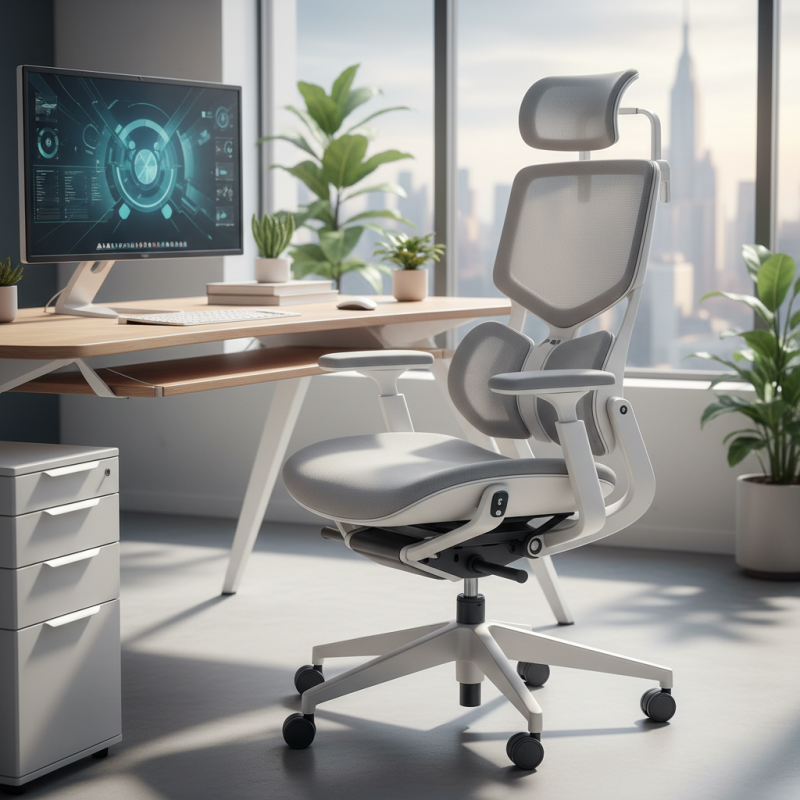
What Makes an Office Chair Truly Ergonomic in 2026?

What Defines Ergonomics in Office Chairs: An Overview of 2026

In 2026, the definition of ergonomics in office chairs continues to evolve. Ergonomics is no longer just about comfort; it encompasses health and productivity. Modern chairs are designed to support various postures. They adjust to individual needs, accommodating a range of body types. Features like lumbar support and adjustable armrests are now standard. This personalization is crucial for preventing strain during long hours.

Moreover, materials play a significant role in ergonomic design. Breathable fabrics are essential for temperature control. Foam cushioning should retain its shape, ensuring consistent support. These details matter in a workspace where many sit for extended periods. However, not all designs achieve the perfect balance between aesthetics and functionality. Some chairs look great but lack true ergonomic support.

User feedback drives the improvements we see today. Many people, however, still experience discomfort despite using ergonomic chairs. This inconsistency highlights the ongoing need for research. We must continue to explore what truly benefits the human body. As we move forward, the focus should remain on refining designs based on real user experiences.

Key Features of Ergonomic Office Chairs: Adjustability and Support

In 2026, ergonomic office chairs should prioritize adjustability and support. These features enhance comfort and promote productivity. Adjustable components allow users to customize their chairs for optimal fit. Seat height, backrest angle, and armrest height are essential settings. Each person has unique body dimensions. Thus, a one-size-fits-all approach rarely works.

Support is equally crucial. A well-designed lumbar support helps maintain natural spine alignment. This reduces the risk of back pain. Chairs with dynamic backrests promote movement, allowing the user to shift positions. Movement is vital for circulation and overall comfort.

**Tips:** When testing a chair, ensure your feet are flat on the floor. This promotes stability and eases pressure on your legs. Consider the material too. Breathable fabrics can keep you cool, but the cushioning should provide support. A good chair will feel firm yet comfortable over time. Always reflect on your choice; if you experience discomfort, revisit your options.

What Makes an Office Chair Truly Ergonomic in 2026? - Key Features of Ergonomic Office Chairs: Adjustability and Support

Feature Description Importance Rating (1-5)
Height Adjustability Allows users to customize backrest height for optimal posture. 5
Lumbar Support Provides support to the lower back, reducing strain. 5
Seat Depth Adjustment Allows the seat to be moved forward or backward for comfort. 4
Armrest Adjustability Enables adjustment of armrests in height and width for support. 4
Seat Material Breathable fabric or mesh that promotes comfort and airflow. 3
Tilt Mechanism Allows the chair to tilt back, promoting movement and relaxation. 4
Swivel Base Allows for easy movement and access to various workspaces. 3
Weight Capacity Supports a wide range of user weights to ensure stability. 4

The Role of Materials in Enhancing Ergonomic Comfort for Office Chairs

In 2026, the focus on ergonomic office chairs is intensifying. Materials play a crucial role in maximizing comfort and support. A chair made from breathable mesh can adapt to body temperature, promoting airflow during long hours of work. This flexibility can enhance posture, helping to reduce strain on muscles and joints.

The cushion’s material is also vital. Memory foam can conform to individual shapes, providing tailored support. However, not all memory foam is equal. Some can become too firm over time, losing its comforting properties. Users often report that a balance between firmness and softness is essential for enduring comfort throughout the day.

Consider the environmental impact too. Biodegradable materials are emerging but may lack durability. This leads to questions about the lifespan of ergonomic chairs. Are we sacrificing long-term reliability for a greener choice? Effective ergonomics should not only consider comfort but also sustainability and durability in their design. The challenge remains to find materials that enhance comfort without compromising on ecological values.

Industry Standards and Certifications for Ergonomic Office Furniture in 2026

In 2026, understanding ergonomic office furniture goes beyond aesthetics. Key industry standards and certifications ensure comfort and support. These criteria often focus on adjustability, material quality, and user safety. The most recognized standards include ANSI/BIFMA and ISO 9241. Manufacturers must comply to demonstrate their commitment to ergonomic design.

However, many chairs still fall short. For example, adjustability often seems insufficient for diverse body types. A height-adjustable chair may still not support shorter users properly. Additionally, the materials used must offer both durability and breathability. Poor choices here can affect long-term user health.

Moreover, certifications don’t guarantee perfect design. Users still report discomfort, especially during long hours of use. This highlights a gap between compliance and user satisfaction. Continuous feedback from users is essential. The industry must embrace these insights to improve ergonomic solutions, ensuring every workplace thrives in comfort and productivity.

Ergonomic Office Chair Feature Ratings (2026)

Impact of Ergonomic Chairs on Workplace Health: Data and Trends

In 2026, ergonomic chairs have gained significant attention for their positive impact on workplace health. Research shows that organizations adopting ergonomic solutions see reduced absenteeism and improved concentration among employees. A study revealed that 67% of workers reported less discomfort when using ergonomic chairs, leading to higher productivity.

Businesses must prioritize the choice of office chairs. An ideal ergonomic chair should support the natural curve of the spine. Features like adjustable seat height, lumbar support, and breathable materials are essential. However, it's vital to note that even the most advanced chairs can’t eliminate all discomfort. Proper posture and regular breaks are still necessary.

Tips for improving chair ergonomics include:

  • Adjust the chair height so your feet rest flat on the floor.
  • Take short breaks every hour to stretch and relieve tension.
  • Consider adding a cushion for extra support on long days.
A good chair alone isn’t the perfect solution; it requires thoughtful integration into daily work habits.

FAQS

: What is ergonomics in office chairs?

: Ergonomics involves comfort, health, and productivity in design. Offices must support various postures for all body types.

Why are adjustable features important?

Adjustable features like lumbar support help prevent strain. They ensure chairs meet individual user needs effectively.

How do materials affect ergonomic design?

Breathable fabrics help manage temperature. Quality foam keeps its shape for consistent support during long hours.

Can ergonomic chairs guarantee comfort?

No, many users still experience discomfort. This inconsistency shows the need for ongoing design improvements.

What are key industry standards for ergonomic furniture?

Standards like ANSI/BIFMA and ISO 9241 focus on adjustability, material quality, and user safety in designs.

Do all certified chairs offer great support?

Not always. Some chairs with certifications still do not meet users’ needs, especially regarding adjustability.

Why is user feedback important?

User feedback highlights gaps in design. It helps manufacturers improve and create chairs that truly support users.

What should workplaces focus on?

Workplaces should focus on refining designs based on real experiences. This ensures better comfort and productivity for everyone.

Can aesthetics compromise ergonomics?

Yes, some stylish chairs lack proper ergonomic support. This creates an imbalance between look and function.

How can we achieve better ergonomics?

Continuous research and user input are vital. This helps us understand what truly benefits the human body in workspaces.

Conclusion

In 2026, understanding what makes an office chair truly ergonomic encompasses various key aspects. Ergonomics in office chairs centers around adjustability and support, allowing users to customize their seating experience to promote better posture and reduce fatigue. Materials play a significant role as well, as innovative fabrics and cushioning enhance overall comfort and adaptability to individual body shapes.

Additionally, industry standards and certifications are critical in defining ergonomic office furniture, ensuring that products meet specific health and safety criteria. Recent data and trends highlight the positive impact of ergonomic chairs on workplace health, showcasing a growing awareness of their benefits in reducing discomfort and promoting productivity. Overall, the evolution of ergonomic design in office chairs continues to prioritize user well-being in professional environments.

Isabella

Isabella

Isabella is a dedicated marketing professional with a sharp focus on driving brand growth and engagement through strategic content creation. With an extensive background in digital marketing, she combines her passion for storytelling with her keen understanding of industry trends to deliver......