In 2026, the design of meeting rooms plays a crucial role in team dynamics. As teams evolve, so do their spaces. Organizations now realize how meeting room design affects collaboration. A well-designed space can boost creativity and teamwork. Color choices, furniture layout, and lighting all influence group interactions.
Many companies overlook the importance of design. They may focus solely on technology or aesthetics. However, the setup of a meeting room can either foster intense collaboration or stifle it. For instance, an adaptable layout encourages more open discussions. In contrast, rigid seating can create barriers.
Reflecting on past designs reveals a struggle to meet modern needs. Teams often require flexibility in their environments. Ultimately, the right design can encourage better communication and innovation. Understanding how meeting room design affects collaboration is essential for future success. Investing in well-thought-out spaces is not just beneficial; it is necessary for thriving teams.
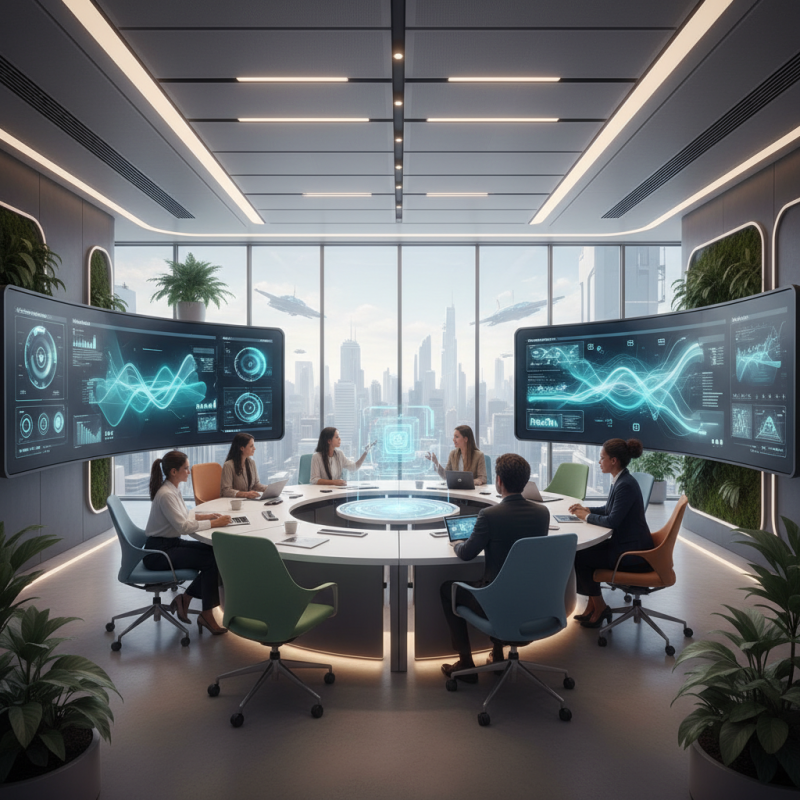
Meeting room design has significantly evolved from 2020 to 2026. The shift towards open spaces began in 2020, emphasizing collaboration. Teams found themselves working in less structured environments. This approach encouraged creativity, but it also brought challenges. Noise levels increased, leading to distractions. Finding balance became essential.
By 2023, flexibility became paramount. Furniture was designed to be movable. This adaptability allowed teams to tailor spaces to their needs. Incorporating technology was also crucial. High-quality screens and video conferencing facilities became common. However, not every company managed this transition well. Some struggled with outdated equipment that hindered collaboration.
Looking ahead to 2026, privacy is gaining importance in design. Acoustic treatments and separate pods are on the rise. Companies recognize the need for focused work zones. While collaboration remains essential, the demand for quiet spaces grows. Reflecting on these trends, the challenge lies in meeting diverse team needs. Balancing collaboration with focus is no easy task. Room design must evolve continually to foster synergy.
This chart illustrates the evolution of collaboration effectiveness in meeting room design from 2020 to 2026, highlighting a steady increase in effectiveness due to innovative design trends adopted during this period.
The design of meeting rooms plays a crucial role in fostering collaboration. Acoustics is an essential aspect of this design that can significantly impact team communication. In 2026, companies are increasingly focusing on soundproofing and acoustic panels. These features help minimize distractions from outside noise. When team members can hear each other clearly, ideas flow more freely.
However, even with the best acoustics, challenges remain. Some teams may still struggle with overlapping conversations. This can create confusion and impede effective collaboration. Open spaces, while trendy, often amplify these issues. It’s important to balance openness with designated quiet zones. This allows team members to regroup and focus when needed.
Additionally, technology plays a dual role in acoustics. Video conferencing tools can sometimes diminish sound quality. This can lead to miscommunication, especially in hybrid teams. Rethinking how technology integrates with physical space is vital. Regular feedback from team members can guide improvements. Creating a truly collaborative environment requires ongoing assessment and adaptation.
| Design Element | Impact on Collaboration | Acoustic Feature | Communication Improvement |
|---|---|---|---|
| Open Space Layout | Encourages spontaneous discussions | Sound-absorbing panels | Reduces background noise |
| Flexible Furniture | Facilitates group work | Acoustic ceiling tiles | Enhances sound clarity |
| Breakout Areas | Supports informal meetings | Carpet flooring | Minimizes echo |
| Technology Integration | Streamlines communication | Active noise reduction systems | Improves clarity during video calls |
| Biophilic Design | Enhances well-being and focus | Natural soundscapes | Promotes relaxed communication |
In 2026, technology integration is pivotal in meeting room design. Companies are embracing tools that facilitate smooth interactions. Video conferencing systems, real-time document sharing, and smart boards are becoming standard. These features allow for dynamic presentations and active participation from remote attendees. When technology works seamlessly, collaboration flourishes.
However, not all technological integrations yield positive outcomes. Technical glitches can create frustration among team members. A room designed for collaboration should have reliable Wi-Fi and functioning equipment. It's essential to test these systems regularly before important meetings. A strong design considers the potential for disruptions and minimizes them.
Focusing on user experience is vital. Meeting spaces must be adaptable and cater to different needs. Some teams thrive in open formats, while others prefer privacy. Integrating various layouts and technologies can enhance satisfaction. However, organizations must remain vigilant. Understanding how technology shapes human behavior is a continuous journey. They should collect feedback and remain open to improvements. This adaptability will ultimately define the effectiveness of meeting environments.
In 2026, meeting room design emphasizes flexible layouts that significantly enhance team collaboration. Adaptability is key. Spaces that can be easily reconfigured support various group activities. This setup accommodates brainstorming sessions, presentations, and casual discussions. Different seating arrangements can encourage a more engaged atmosphere.
Consider a room with movable furniture. Teams can align chairs in a circle for open dialogue. In another scenario, long tables can facilitate focused work sessions. The diversity in arrangement promotes creativity and interaction. It also allows for the quick adjustment of spaces based on team size or project needs.
However, not all flexible designs are effective. Some arrangements can feel chaotic. Too many options might overwhelm users. Teams need to establish guidelines for using these spaces effectively. Reflection on the chosen layout allows teams to identify what fosters collaboration and what hinders it. Finding that balance is essential for optimal engagement.
In 2026, meeting room design plays a crucial role in improving team collaboration. Modern offices focus on flexible spaces that encourage communication. Data from industry reports indicates that well-designed meeting rooms can increase productivity by as much as 25%. Such environments promote engagement and foster a culture of collaboration among team members.
A recent study by a leading workplace research firm found that 70% of employees believe that collaborative spaces enhance their ability to think creatively. However, open layouts sometimes lead to distractions. Striking a balance is essential. Teams benefit from both open spaces for brainstorming and private areas for focused work.
Tip: Use acoustic panels to minimize noise in busy areas.
Measuring collaboration outcomes helps organizations understand team dynamics. Metrics like meeting frequency and employee satisfaction surveys provide insight into effectiveness. While many companies are investing in new designs, over half still struggle with integration. It is vital to reassess spaces regularly.
Tip: Regularly gather feedback on space usage to identify improvements.
Ultimately, effective meeting room design can significantly influence collaboration. Creating an environment that adapts to team needs is key.
: Technology integration enhances interactions and makes collaboration smoother. It helps in engaging remote attendees effectively.
Video conferencing systems, real-time document sharing, and smart boards are widely adopted.
Technical glitches and unreliable Wi-Fi can lead to frustration and hinder collaboration.
Spaces should be adaptable, catering to both open and private meeting formats for diverse team needs.
A positive user experience increases satisfaction and productivity among team members in collaborative settings.
Regularly test technology, gather feedback, and reassess space usage to ensure it meets team needs.
About 70% of employees feel that collaborative spaces boost their creative thinking abilities.
Over half of companies struggle to fully integrate new designs with existing spaces and technologies.
Installing acoustic panels can significantly reduce noise and improve focus among team members.
Open areas suit brainstorming, while private spaces enhance focus, both are essential for team productivity.
The article "How Meeting Room Design Enhances Team Collaboration in 2026" explores the transformative trends in meeting room design from 2020 to 2026 and highlights how meeting room design affects collaboration among team members. It emphasizes the importance of acoustics in fostering effective communication within collaborative spaces, ensuring that discussions remain clear and productive. Furthermore, the integration of advanced technology is discussed as a crucial factor in improving meeting effectiveness, enabling seamless sharing of ideas and information.
Additionally, the article examines the benefits of flexible layouts, which allow teams to adapt their surroundings to suit various collaboration needs, thereby enhancing engagement and creativity. Finally, it presents data-driven insights that measure collaboration outcomes in modern offices, showcasing the direct correlation between thoughtfully designed meeting spaces and successful teamwork. Overall, the insights provided demonstrate that the evolution of meeting room design is central to cultivating a collaborative work environment in the future.

Sitnova Furniture