In today's fast-paced work environment, understanding what defines a comfortable modern workspace is crucial. A well-designed workspace can enhance productivity and morale. However, many workplaces still fall short of meeting their employees’ needs.
Comfort goes beyond just ergonomic furniture. It also includes elements like lighting, color schemes, and even ambient noise. For instance, natural light can boost mood, while open spaces can foster collaboration. Yet, not all employees thrive in the same conditions. Some may find too much noise distracting, while others may feel stifled in enclosed cubicles.
When evaluating your workspace, consider the diversity of employee preferences. Instilling a sense of belonging is important, but it can be tricky. What works for one group may not suit another. In striving for comfort, it’s vital to actively seek feedback and reflect on what areas need improvement. Emphasizing inclusivity and adaptability can create a workspace that truly supports everyone.
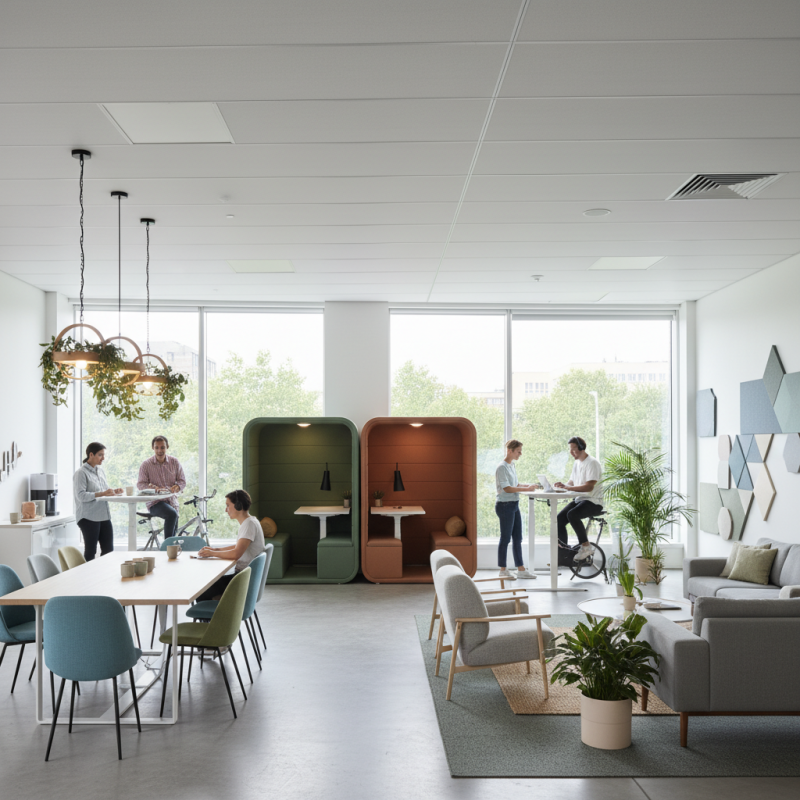
A comfortable modern workspace hinges on the importance of ergonomic furniture. This type of furniture is designed to promote well-being, reduce discomfort, and enhance productivity. For instance, adjustable desks allow employees to choose standing or sitting positions. This flexibility helps in preventing back strain during long work hours.
When choosing ergonomic chairs, pay attention to lumbar support. A chair that supports the natural curve of the spine reduces fatigue. Additionally, consider seat height and adjustable armrests. This can lead to better posture and reduce stress on the shoulders.
Tip: Make sure to take regular breaks. Standing up and stretching can relieve tension. A few minutes of movement can reset your focus.
Another consideration is the placement of monitors. Eye level alignment reduces neck strain significantly. Keeping screens at arm’s length also prevents eye fatigue. Ensure that keyboard and mouse placement promotes natural wrist positioning.
Tip: Regularly evaluate your workspace setup. What feels comfortable today might not be ideal tomorrow. Be mindful of any discomfort that arises and adjust accordingly.
Natural light plays a vital role in a modern workspace. Large windows or glass doors can transform a dull office into a vibrant one. It creates an inviting atmosphere that encourages creativity. When employees feel connected to the outside world, their mood improves. However, too much sunlight can cause glare and discomfort. Finding the right balance is key.
Artificial lighting is equally important. Using adjustable lamps can provide flexibility in different work areas. Dimmable lights allow for personalization, which can enhance productivity. Avoid harsh fluorescent lights that cause eye strain. Instead, opt for warm, soft lighting that mimics daylight. It's essential to consider how lighting affects focus and energy levels throughout the day.
Combining natural and artificial light requires thought. A workspace that lacks proper lighting can lead to fatigue and decreased motivation. Observe how light interacts with the room at different times. This reflection can help create a more comfortable and functional environment. The goal is to create spaces that inspire productivity and well-being.
Incorporating greenery and biophilic design into the modern workspace can significantly boost employee well-being. Plants improve air quality and create a calming atmosphere. They can reduce stress and fatigue, enhancing overall productivity. Integrating nature into an office setting feels refreshing and energizing. Adding just a few plants can make a big difference.
Tip 1: Choose low-maintenance plants like snake plants or pothos. These options thrive in various light conditions and don’t require constant attention.
It's essential to consider layout and design. Wide-open spaces can feel overwhelming. Introducing smaller zones with plants helps create a cozy environment. Using natural materials like wood and stone can also promote a sense of comfort. However, balance is crucial. Too many elements can overwhelm and cause distraction.
Tip 2: Incorporate natural light where possible. It not only enhances mood but also supports the growth of your indoor plants.
Reflecting on the balance between modern design and nature is vital. An overly sterile workspace might stifle creativity. Finding a blend that encourages inspiration while maintaining professionalism is key.
In today’s fast-paced work environment, creating collaborative areas is crucial for enhancing team communication. Recent studies show that open office designs can boost collaboration by 20 to 30%. These spaces encourage spontaneous interactions and idea-sharing, fundamental elements of innovation. Employees are more likely to engage with one another when working in flexible, well-designed spaces.
However, not all collaborative areas are effective. Poor acoustics and clutter can hinder communication. A recent report indicated that 50% of workers feel distracted in open workplaces due to noise levels. It’s essential to balance open spaces with quiet zones, allowing employees to focus while still promoting collaboration. Adding comfortable seating and writable surfaces can improve the usability of these areas, encouraging employees to gather and brainstorm.
Moreover, the design must reflect the needs of diverse teams. Research indicates that diverse teams outperform homogenous ones by 35%. Incorporating varied spaces that cater to different working styles can foster inclusivity. Reflecting on these aspects is vital. A workspace must evolve continuously to address the changing dynamics of teamwork and communication. Investing in thoughtfully designed collaborative spaces can transform workplace culture.
Creating a comfortable modern workspace involves integrating technology and smart tools that enhance efficiency. One key element is ergonomic furniture. Properly designed chairs and desks can reduce physical strain. It’s essential to invest in these items, as they boost productivity by keeping you comfortable throughout the day.
Smart devices play a critical role in workspace efficiency. For instance, using a digital calendar helps manage time effectively. Consider incorporating productivity apps for task management. They can remind you of deadlines and improve focus. However, technology can also be distracting if not managed well. Reflect on your usage patterns to minimize interruptions.
Lighting is another important factor. Natural light improves mood and energy. If that’s limited, opt for adjustable LED lights that mimic daylight. Experiment with different setups until you find what works for you. Balancing aesthetics with functionality is vital. There’s always room for refinement in your workspace, so stay open to changes that support your work style.
: Ergonomic furniture promotes well-being, reduces discomfort, and enhances productivity for employees.
Adjustable desks allow employees to switch between sitting and standing, which prevents back strain during long hours.
Look for good lumbar support, adjustable seat height, and armrests to improve posture and reduce shoulder stress.
Regular breaks help relieve tension. A few minutes of movement can reset focus and improve productivity.
Monitors should be at eye level and arm's length to reduce neck strain and prevent eye fatigue.
Plants improve air quality, reduce stress, and create a calming atmosphere, ultimately enhancing productivity.
Low-maintenance plants like snake plants and pothos thrive in various light conditions and require minimal care.
Open spaces might feel overwhelming. Smaller zones with plants can create a cozy and comfortable environment.
Smart devices and ergonomic furniture reduce physical strain and help manage time effectively.
Natural light boosts mood, while adjustable LED lights can mimic daylight if natural light is limited.
A comfortable modern workspace is defined by several key elements that enhance both productivity and well-being. One crucial aspect is the use of ergonomic furniture, which supports healthy posture and reduces physical strain. Additionally, optimizing natural and artificial lighting plays a significant role in creating an inviting atmosphere that fosters concentration and energy.
Incorporating greenery and biophilic design not only adds aesthetic value but also promotes mental health and creativity. Collaborative areas are essential for encouraging teamwork and communication among employees, while the integration of technology and smart tools streamlines processes and enhances overall workspace efficiency. Together, these elements contribute to what defines a comfortable modern workspace, making it a dynamic environment conducive to success.

Sitnova Furniture