How Hybrid Work is Transforming Office Furniture Needs?

Time:2026-06-30 Author:Madeline
0%

The shift towards hybrid work is reshaping office environments. Organizations are adapting to new configurations that blend in-office and remote work. This evolution significantly highlights how hybrid work is changing office furniture needs.

Employees require versatility in their workspace. Traditional desks and chairs no longer suffice. Now, there is a demand for adjustable desks and collaborative seating. This change invites companies to reconsider their furniture choices. Flexibility becomes a priority with hybrid setups.

Moreover, technology integration is vital. Desks must support charging stations and ergonomic designs. However, some organizations struggle to balance aesthetics and functionality. Striking this balance is crucial for creating an inviting atmosphere. Ultimately, businesses must remain adaptable. This transformation offers a chance to rethink how spaces serve both individuals and teams.
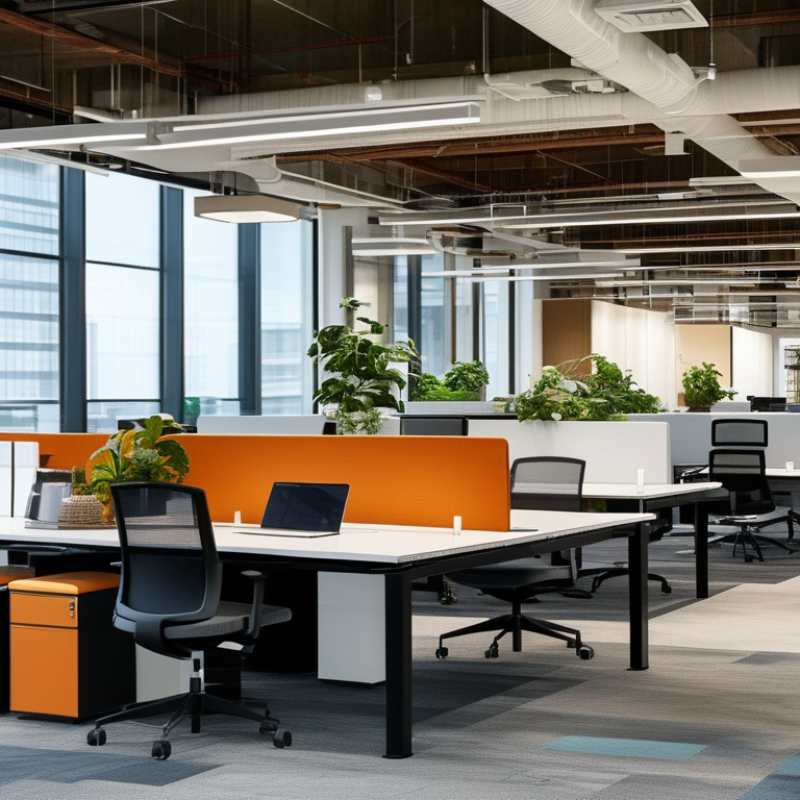
How Hybrid Work is Transforming Office Furniture Needs?

The Shift in Work Culture: The Rise of Hybrid Work Models

The rise of hybrid work models is reshaping office furniture needs. According to a recent report from the International Facility Management Association, over 70% of companies adopted flexible work arrangements in 2021. This shift demands adaptable office designs and multifunctional furniture. Workspaces now require both collaboration areas and quiet zones, reflecting a blend of remote and in-office needs.

Many employees prefer hybrid work for better work-life balance. Studies show that 68% of workers favor this model, enhancing productivity and job satisfaction. However, businesses must invest in ergonomic furniture to support diverse working styles. Not everyone feels comfortable in a traditional cubicle setup.

Tips: Create spaces that encourage movement and collaboration. Use adjustable desks to cater to different working preferences. Balance aesthetics with functionality to ensure an inviting atmosphere. Analyze feedback regularly; it’s crucial for ongoing adjustments in workspace design. A flexible approach can lead to a better employee experience and improved loyalty.

Understanding Hybrid Work: Key Definitions and Concepts

Hybrid work is changing how we think about office furniture. This new approach combines remote work and in-office collaboration. Employees now seek flexible furniture that supports various tasks. Adjustable desks and collaborative seating are in demand. Understanding these needs helps organizations create effective workspaces.

Tips: Consider the layout. Open spaces encourage teamwork, while quiet zones support focus. Each area should have appropriate furniture. Think about multi-functional pieces. They save space and enhance versatility.

Emotional connections to spaces are important. Workers feel more productive in personalized environments. Lack of attention to comfort may lead to discomfort and dissatisfaction. A workplace should reflect an organization's culture and values.

Impact of Hybrid Work on Office Space Design and Functionality

Hybrid work is reshaping office space design in significant ways. The traditional office setup is no longer sufficient. Many companies are now adopting flexible work models. This creates a need for dynamic and multipurpose furniture. Workstations must be adaptable. Employees need furniture that suits both collaboration and concentration.

Space functionality has shifted dramatically. Open layouts are becoming more popular, encouraging teamwork. However, some employees still require privacy. Soundproof booths for calls and focused work are essential. Desks that can adjust height cater to both standing and sitting preferences. Storage solutions must be reimagined to ensure everything is accessible while maintaining order.

There are challenges with these changes. Not all companies have the budget for updated designs. Some employees may feel disconnected in shared spaces. Balancing collaboration and focus is not easy. It requires thoughtful planning to ensure that hybrid models genuinely meet employee needs. Each company’s approach must reflect its culture and values, which makes this transition complex yet essential.

Impact of Hybrid Work on Office Furniture Needs

Evolving Office Furniture: Adapting to New Needs and Preferences

As hybrid work environments become the norm, office furniture needs are shifting significantly. With more employees splitting time between home and the office, the demand for adaptable and multifunctional furniture is on the rise. Traditional cubicles and desks are giving way to open layouts that promote collaboration. This has led to the creation of furniture that is not only aesthetic but also functional and flexible.

Consider incorporating adjustable desks to cater to different work styles. These versatile pieces allow employees to alternate between sitting and standing, promoting better health and comfort. Storage solutions are also evolving. Modular, mobile units with hidden storage can keep workspaces tidy without sacrificing accessibility.

Another vital aspect is the importance of personal space. In a hybrid model, employees want areas that reflect their individuality. Allowing customization can increase satisfaction. Thoughtfully designed breakout spaces encourage creativity while also fostering community. However, making choices that balance personal flair with office identity can be challenging. Reflect on how furniture can enhance or hinder productivity. The right pieces can transform not only spaces but also work dynamics.

How Hybrid Work is Transforming Office Furniture Needs

Furniture Type Traditional Office Use Hybrid Work Demand Features Needed
Desks Fixed height Height adjustable Ergonomic design
Chairs Standard office chair Ergonomic chairs Lumbar support
Meeting Tables Large, fixed Modular tables Collaborative workspace
Storage Units Fixed cabinets Flexible storage options Mobile and accessible
Screens/Partitions Fixed panels Flexible dividers Soundproofing

Sustainability and Technology in Hybrid Office Furniture Solutions

The shift towards hybrid work has significantly influenced office furniture design. Employers now seek solutions that maximize flexibility while prioritizing sustainability. Eco-friendly materials are becoming a standard choice. This shift is not just a trend; it’s a response to growing environmental concerns. Furniture manufacturers face pressure to create responsibly sourced products.


Technology is another crucial aspect of hybrid office furniture. Height-adjustable desks and integrated charging ports are in high demand. These features promote healthier work habits and cater to diverse working styles. However, challenges arise. Not all technology seamlessly integrates with furniture. Moreover, rapid advancements can make products obsolete quickly.


As companies adapt, the need for durable, versatile solutions increases. Choosing sustainable options is essential, but it’s not always straightforward. Some materials marketed as eco-friendly may still have hidden environmental costs. Understanding true sustainability requires diligence. Awareness of these complexities can enhance decision-making in office design.

FAQS

: What is a hybrid work model?

: Hybrid work combines remote and in-office collaboration. It adapts to varied employee needs and enhances flexibility.

Why are flexible work arrangements becoming popular?

Over 70% of companies adopted them for improved work-life balance. Many employees prefer hybrid work for increased job satisfaction.

What are the essential furniture features for hybrid workspaces?

Furniture should be adaptable and multifunctional. Adjustable desks and collaborative seating are crucial for varying work styles.

How can office layouts boost productivity?

Open spaces promote teamwork while quiet zones improve focus. Each area should have suitable furniture to support its purpose.

How can personal space impact employee satisfaction?

Workspaces reflecting individuality enhance comfort and satisfaction. Customization is vital for a positive hybrid work experience.

What furniture choices can improve health in the office?

Adjustable desks enable sitting and standing. This flexibility supports better posture and overall well-being during work.

How can organizations gather feedback on workspace effectiveness?

Regularly analyze employee feedback. This helps identify needs and make necessary adjustments to optimize the design and functionality.

What challenges might arise when designing hybrid workspaces?

Balancing personal flair with office identity can be tough. Reflecting organizational culture while honoring individuality is essential.

Why is ergonomic furniture important in hybrid work?

Ergonomic furniture supports various working styles. Without it, discomfort and dissatisfaction may hinder employee performance and retention.

How do breakout spaces contribute to a hybrid work environment?

Thoughtfully designed breakout spaces encourage creativity and collaboration. They foster a sense of community, enhancing the work experience.

Conclusion

As hybrid work models become increasingly prevalent, organizations are witnessing a significant transformation in their office furniture needs. This shift in work culture—where flexibility and remote options are prioritized—demands a reevaluation of office space design and functionality. Understanding key concepts of hybrid work highlights the need for adaptable furniture that supports both collaborative and individual work environments.

How hybrid work is changing office furniture needs is evident in the evolving designs that focus on comfort, multi-functionality, and sustainability. Furniture now must accommodate various working styles, integrating technology seamlessly to enhance productivity. As businesses embrace this new model, the emphasis on eco-friendly materials and smart solutions also grows, reflecting a commitment to sustainability alongside the practical requirements of a modern workspace.

Madeline

Madeline

Madeline is a dedicated marketing professional with a wealth of expertise in our company's core offerings. With a keen understanding of the industry, she brings a unique perspective to her role, consistently delivering high-quality content that highlights the superior aspects of our products. As......