In 2026, reception furniture does more than fill an entrance. It quietly introduces an organization before any employee speaks. A visitor notices the welcome desk, seating, lighting, materials, and distance between people. These details can suggest confidence, care, efficiency, or neglect within seconds.
Understanding how reception area furniture shapes visitor impressions requires more than following design trends. Workplace consultants, interior designers, and facility managers increasingly assess furniture through comfort, accessibility, durability, and spatial behavior. A supportive chair can reduce tension after a long journey. A desk with a clear sightline can make check-in feel easier. Warm wood, acoustic panels, and controlled lighting may create calm without appearing careless. The evidence is practical: visitors respond to spaces that help them understand where to go and what to do.
Small choices matter.
Yet furniture does not create trust alone. An expensive sofa cannot repair poor service, confusing signage, or an empty reception counter. Some popular designs also look impressive in photographs but feel cold, fragile, or uncomfortable in daily use. That limitation deserves attention. Real experience comes from observing visitors, reviewing feedback, and adjusting the space over time. Reliable decisions should balance brand identity with human needs, maintenance demands, and changing expectations. This article examines how reception furniture shapes visitor impressions in 2026, while questioning whether visual polish always equals genuine welcome.
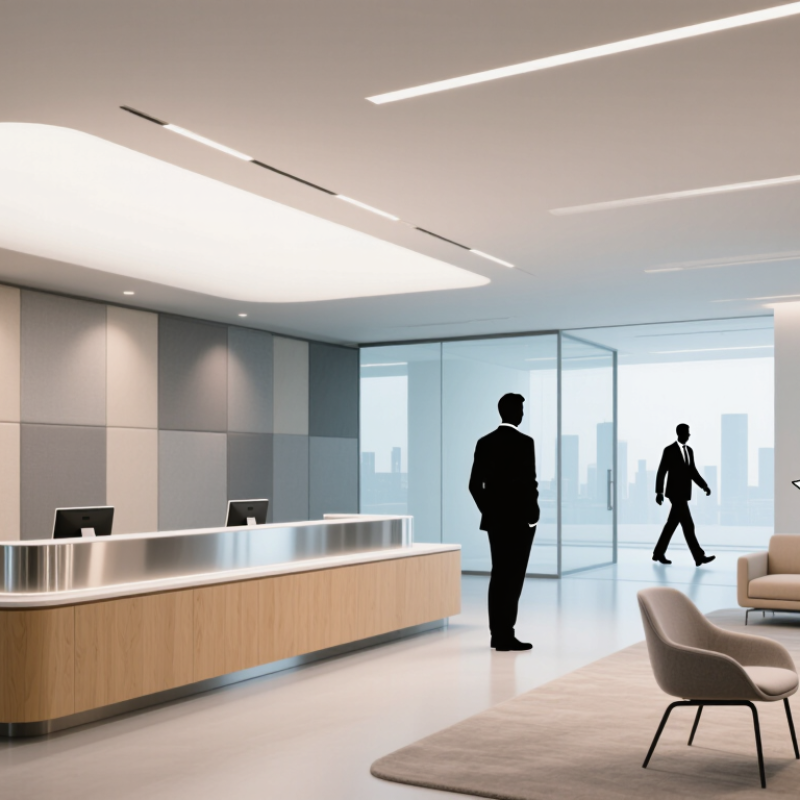
How Reception Furniture Shapes Visitor Impressions in 2026?
Reception furniture is more than an attractive desk and a few chairs. It defines how visitors understand a workplace before conversations begin. In 2026, guests may notice comfort, accessibility, privacy, and digital convenience within seconds. A desk at the right height supports clear communication between staff and visitors. Comfortable seating can reduce tension during unexpected waiting periods. Clear sightlines help guests find reception without asking for directions. The role is practical.
In workplace planning, I have seen furniture influence both trust and behavior. A durable counter can suggest reliability, while poor finishes may create doubts about maintenance. Soft seating feels welcoming, but excessive softness can appear careless in professional settings. Furniture should support the visitor journey, not compete with it. If guests wait near noisy equipment, even beautiful furniture loses value. Cable control, lighting, and personal space also affect perceived professionalism. Accessibility must be planned, not added later. A polished desk can still fail if wheelchair users cannot approach it comfortably.
Tips: Measure visitor movement before selecting furniture. Test seating for short and longer waits. Keep the reception surface uncluttered. Use materials that are easy to clean and repair. Leave enough space for mobility devices and quiet conversation. One mistake is designing only for photographs. Real visitors carry bags, ask repeated questions, and sometimes arrive frustrated. Furniture needs to handle those imperfect moments. A short trial with staff and visitors may reveal problems that drawings miss.
Evidence-informed planning table for evaluating how reception furniture influences comfort, trust, accessibility, efficiency, and perceived service quality.
| Experience Dimension | Furniture Element | Observable Data Metric | Reference or Planning Target | Likely Visitor Impression | Influence |
|---|---|---|---|---|---|
| First Impression | Reception desk proportion, material finish, visual order, and visible storage | Cleanliness score, visual clutter count, and visitor rating of perceived professionalism on a 1–5 scale | Keep visitor-facing surfaces clear; aim for an average professionalism rating of 4.0 or higher | Organized furniture can signal reliability, control, and attention to detail | High |
| Wayfinding | Desk visibility, queue barriers, directional signage, and furniture layout | Percentage of visitors who locate the check-in point without asking for directions | Use a clear line of sight from the entrance; target at least 90% self-directed navigation during observation studies | Simple navigation reduces uncertainty and makes the organization feel more efficient | High |
| Accessibility | Accessible counter section, route width, knee clearance, and seating variety | Clear route width, counter height, turning space, and successful use by people with mobility needs | Where ADA standards apply: provide a route at least 36 inches wide, a turning space of approximately 60 inches in diameter, and an accessible service surface no higher than 36 inches | Inclusive furniture communicates respect, fairness, and readiness to serve different users | High |
| Physical Comfort | Waiting chairs, armrests, seat depth, back support, and spacing between seats | Average comfort rating, percentage of visitors reporting discomfort, and average waiting duration | Use supportive seating with varied options; review comfort when waits exceed 5 minutes and during peak periods | Comfortable seating suggests that visitor time is valued | High |
| Privacy and Dignity | Desk orientation, side screens, acoustic panels, and distance between service positions | Number of conversations overheard at adjacent positions and visitor privacy rating on a 1–5 scale | Separate sensitive conversations from general queues; target a privacy rating of 4.0 or higher | Privacy-supportive furniture can increase trust when visitors share personal or confidential information | High |
| Waiting Experience | Modular seating, side tables, device charging, and queue-support furniture | Perceived waiting time compared with actual waiting time, abandonment rate, and satisfaction score | Track both actual and perceived wait times; provide clear queue information and seating for expected waits above 5 minutes | Useful waiting furniture can make a delay feel more manageable and transparent | High |
| Brand and Trust Signals | Material quality, color coordination, craftsmanship, and consistency with the interior environment | Visitor ratings for trust, quality, and organizational competence on a 1–5 scale | Use durable, consistent materials and avoid damaged, unstable, or visibly temporary furniture | Well-maintained furniture can reinforce perceptions of stability and competence | Medium |
| Sensory Comfort | Furniture surface reflectance, upholstery, acoustic absorption, and lighting compatibility | Illuminance at the desk, reverberation complaints, glare reports, and sensory comfort rating | Office reception areas commonly plan around 300–500 lux, while glare and excessive reverberation should be minimized through coordinated lighting and acoustic design | Balanced sensory conditions can make the space feel calm, safe, and professional | Medium |
| Operational Efficiency | Desk work surface, concealed cable management, storage, seating arrangement, and staff circulation | Average check-in time, queue length, staff movement distance, and number of repeated visitor questions | Set up furniture so routine transactions can be completed without crossing visitor paths or leaving the reception position | Fast, orderly service is often interpreted as competence and preparedness | High |
| Safety and Hygiene | Stable furniture, rounded edges, cleanable upholstery, non-slip surfaces, and sufficient circulation space | Safety incidents, cleaning time, high-touch surface inspection results, and maintenance response time | Use commercial-grade, cleanable finishes; inspect high-touch surfaces daily and repair unstable furniture promptly | Clean and secure furniture supports perceptions of care, safety, and operational maturity | High |
| Flexibility for 2026 Needs | Modular desks, movable seating, technology integration, and adaptable service points | Time required to reconfigure the area, percentage of seats that can be rearranged, and technology downtime | Prefer modular components that support changing visitor volumes, hybrid check-in, and accessible service arrangements | Adaptable furniture helps the reception area appear responsive rather than rigid | Medium |
| Environmental Responsibility | Durability, repairability, recycled content, replaceable components, and end-of-life planning | Expected service life, repair frequency, material documentation, and percentage of components that can be replaced | Specify durable products with transparent material information and replaceable parts where practical | Visible long-term thinking can support perceptions of responsible and future-oriented management | Medium |
Reception furniture shapes impressions before conversations begin. Visitors notice comfort, privacy, accessibility, and digital convenience quickly. The role is practical.
A correctly sized desk supports clear eye contact and comfortable conversations. Its height should suit staff and visitors. Wheelchair users need enough approach space.
Comfortable seats can reduce tension during unexpected delays. Test seating for short and longer waits. Avoid seats that feel too soft, low, or exposed.
Durable surfaces may suggest reliability and careful maintenance. Chipped edges, wobbling chairs, and poor finishes can weaken trust. Small flaws matter.
Choose materials that are easy to clean, repair, and maintain. Recycled content and low-emission finishes may support environmental goals. Labels alone prove little.
Check-in screens, charging points, and hidden cables can reduce visitor friction. Screens should guide people, not replace human attention. Keep personal information private.
Leave clear paths for mobility devices and visitors carrying bags. Provide suitable desk heights and comfortable approach space. Accessibility should be planned early.
Observe movement, waiting time, seat use, queues, and abandoned visits. Use short surveys and post-visit feedback. Ask about comfort, privacy, cleanliness, and welcome.
Visitors may avoid noise, glare, or public exposure near central seating. One pilot focused too heavily on average ratings. That result was incomplete.
Review evidence monthly and compare feedback with physical details. Include older adults and people carrying bags. Real visitors reveal problems drawings often miss.
Reception furniture plays a central role in shaping how visitors understand an organization before any conversation begins. More than a collection of chairs, desks, and tables, it creates the physical setting for welcome, orientation, and trust. The article explains how reception area furniture shapes visitor impressions through visual balance, color, form, comfort, and organization. A well-planned layout can make arrivals feel calm and intuitive, while suitable seating, clear circulation, and accessible design help every visitor feel respected and included.
In 2026, material choices, integrated technology, and sustainability also influence perceptions of quality and responsibility. Durable, easy-to-maintain materials can communicate reliability, while thoughtful digital features may improve efficiency without making the space feel impersonal. The article also presents practical methods for evaluating reception furniture, including visitor feedback, observation, comfort assessments, accessibility reviews, and comparisons of movement patterns. Together, these approaches help organizations create reception environments that are welcoming, functional, inclusive, and aligned with contemporary expectations.

 Sitnova Furniture