How Flexible Offices Are Transforming Furniture Design Trends?

Time:2026-06-27 Author:Mason
0%

Flexible office designs are revolutionizing the way we think about furniture. As companies adapt to evolving work environments, the implications for furniture design become significant. The demand for versatility drives innovation in materials and forms.

How flexible offices change furniture design reflects a holistic approach to workspaces. Furniture must not only be functional but also aesthetically pleasing. Modular systems, adaptable seating, and multi-purpose solutions have become essential. These features foster collaboration and enhance productivity.

The rise of these trends raises questions. Are we prioritizing flexibility over comfort? Can we maintain quality while promoting adaptability? As we navigate this transformation, understanding the balance between style and substance is crucial. A nuanced approach will shape the future of workspace design.
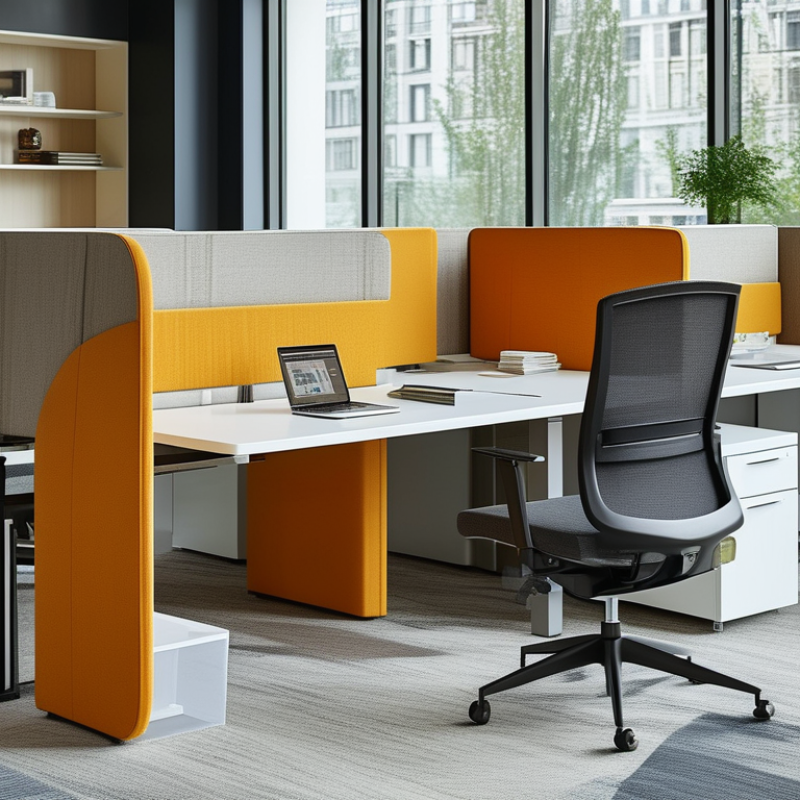
How Flexible Offices Are Transforming Furniture Design Trends?

The Rise of Flexible Office Spaces and Their Impact on Furniture Design

The rise of flexible office spaces is reshaping the landscape of furniture design. These modern work environments prioritize adaptability and comfort. Designers are now challenged to create furniture that can easily transition between collaborative and individual work. This shift calls for innovative concepts that cater to diverse working styles.

Modular furniture has become a focal point. Pieces can be combined or rearranged to suit specific needs. For example, desks that can be adjusted in height promote both sitting and standing. Additionally, portable chairs that are easy to move enhance the collaborative atmosphere. There is a growing interest in multi-functional furniture, too. Items that serve more than one purpose are highly sought after.

However, this evolution isn't without its challenges. Not all designs are practical in real-world settings. Some pieces may lack the durability needed for everyday use. There is also a focus on sustainability; materials should be eco-friendly yet durable. Balancing aesthetics with functionality requires deep reflection from designers. They must engage with users to create furniture that truly meets their needs in flexible workspaces.

Key Characteristics of Flexible Office Furniture Solutions

The rise of flexible offices is shaping the future of furniture design. These spaces require adaptable solutions that cater to the evolving nature of work. Research by the International Workspace Association indicates that 40% of employees value flexibility in their work environment. This demand drives designers to focus on modular furniture that can easily reconfigure for different tasks.

Key characteristics of flexible office furniture include mobility and multifunctionality. Pieces with wheels allow quick rearrangement to foster collaboration. For instance, tables that expand can accommodate varying group sizes. A study from the American Society of Interior Designers states that 75% of employees prefer areas that support both individual work and teamwork. This highlights the dual need for privacy and interaction in workspace design.

However, the balance between aesthetics and functionality can be challenging. Not all companies manage to innovate effectively. Some designs may prioritize style over comfort, leading to employee dissatisfaction. Continuous feedback from users is essential to improve these solutions. Flexibility in staff needs must reflect in the design choices, ensuring the furniture truly enhances productivity and well-being.

How Flexible Offices Are Transforming Furniture Design Trends

This bar chart illustrates the key characteristics of flexible office furniture solutions based on recent market trends. The data reflects the percentage of workspace designs that are incorporating features such as multi-functionality, space efficiency, aesthetic appeal, and sustainability.

Innovations in Material and Functionality for Flexible Office Furniture

Flexible office designs are reshaping furniture trends significantly. As offices transition to more adaptable workspaces, the need for innovative materials and functionalities becomes crucial. Designers now focus on creating furniture that can easily transform in use and form. For instance, modular desks that can be adjusted from sitting to standing enhance ergonomic benefits. These desks often incorporate lightweight, eco-friendly materials, promoting sustainability in office environments.

Moreover, multi-functional furniture is gaining traction. Chairs that can be adjusted for relaxation or collaboration cater to diverse work styles. Mobile solutions, like rolling storage units, allow for seamless transitions between various office layouts. However, challenges remain in balancing durability and versatility. As companies invest in transforming their spaces, they must also consider longevity. Will these innovations withstand heavy daily use? While the shift is exciting, constant reassessment is necessary to ensure practicality in design.

Sustainability Considerations in Modern Office Furniture Design

Modern office furniture design increasingly prioritizes sustainability, reflecting a larger trend in workplace flexibility. Companies are seeking furniture that is not only functional but also environmentally friendly. This shift is driven by growing awareness of climate issues and sustainable practices.

Designers are exploring innovative materials, such as recycled wood and biodegradable plastics. These materials reduce waste and carbon footprints. The challenge lies in balancing aesthetics with these eco-friendly options. Many pieces still lean towards conventional designs that may not align with sustainable ideals.

Flexible furniture solutions, like modular desks and multi-functional seating, emphasize adaptability in shared workspaces. However, ensuring durability alongside sustainability remains a significant hurdle. The process requires continuous improvement and reflection. Designers must ask whether their creations truly serve long-term ecological goals or merely mimic them superficially. Achieving both flexibility and sustainability will remain a complex journey.

Future Trends: The Evolving Relationship Between Workspaces and Furniture

The relationship between workspaces and furniture is evolving dramatically. Flexible office layouts require furniture that adapts quickly and easily. This trend encourages creativity and collaboration among employees. Desks are not just workstations anymore; they can transform into collaboration hubs. Higher tables, lounge seating, and movable partitions are gaining popularity.

One challenge is creating a balance between aesthetics and functionality. While modern designs often look sleek, they can lack comfort. Ergonomics must still be a priority. Employees need to feel comfortable for optimal productivity. Additionally, the use of sustainable materials becomes essential. Consumers are becoming increasingly eco-conscious, demanding eco-friendly options in workplace furniture.

Understanding the needs of diverse teams is crucial. Not everyone works the same way. Some prefer quiet spaces, while others thrive in communal areas. Furniture must support these varying preferences. However, this transition is not without hurdles. Finding the right balance between versatility and style can be tricky. The journey to an ideal workspace is continuous, and reflections on design choices are vital.

How Flexible Offices Are Transforming Furniture Design Trends

Trend Description Impact on Furniture Design Future Implications
Modular Furniture Furniture that can be easily assembled and reconfigured to suit different work needs. Increased demand for adaptable components that allow for personalization. More focus on sustainability and materials that blend functionality with aesthetics.
Biophilic Design Incorporating natural elements into furniture and workspace design. Use of natural materials and designs that mimic nature, impacting material selection. Continued emphasis on wellness, leading to furniture that enhances environment and productivity.
Smart Furniture Furniture equipped with technology to enhance functionality. Integration of tech features like charging stations and built-in sensors. Growing trend towards connectivity and automation within workspace environments.
Flexible Workstations Workstations that allow employees to alternate between sitting and standing. Focus on ergonomic designs that prioritize health and comfort. Increase in workforce mobility leading to versatile furniture solutions.
Collaborative Spaces Designing spaces that encourage collaboration and teamwork. Furniture designed for group activities, promoting social interaction. Emphasis on communal areas in workspaces influencing furniture layout and design.

FAQS

: What is driving the rise of flexible office spaces?

: Flexible office spaces are evolving to prioritize adaptability and comfort for diverse working styles.

How are designers responding to the needs of modern work environments?

Designers are challenged to create adaptable furniture that easily transitions between collaborative and individual tasks.

What is modular furniture and why is it important?

Modular furniture can be combined or rearranged, making it essential for flexible office spaces.

What role do multi-functional furniture pieces play in today’s offices?

Multi-functional furniture serves more than one purpose, catering to various work styles and needs.

What sustainability considerations are important in furniture design?

Designers focus on eco-friendly materials while balancing aesthetics and functionality for modern offices.

Are all modern furniture designs practical for everyday use?

Not all designs are practical; some lack durability and may not withstand heavy daily use.

How do ergonomic benefits factor into furniture design?

Desks that adjust from sitting to standing enhance ergonomic benefits, promoting healthier working conditions.

What challenges do designers face in sustainable furniture design?

Designers struggle to balance sustainability with aesthetics, as many pieces still reflect conventional styles.

Why is user feedback important in furniture design?

Engaging with users ensures that furniture meets their needs in flexible workspaces, fostering practical solutions.

Is the journey towards sustainable furniture solutions straightforward?

Achieving flexibility and sustainability is complex and requires continuous reassessment and improvement.

Conclusion

The evolution of flexible office spaces is significantly reshaping furniture design trends, highlighting how flexible offices change furniture design. As organizations adapt to more dynamic work environments, the demand for versatile furniture solutions has surged. Key characteristics of flexible office furniture include modularity, mobility, and multifunctional use, which cater to both individual and collaborative work styles.

Additionally, innovations in materials and functionality improve not only the aesthetic appeal of office furniture but also its adaptability. Sustainability has become a crucial consideration, with a focus on eco-friendly materials and practices in modern office furniture design. As we look to the future, the relationship between workspaces and furniture continues to evolve, paving the way for designs that support productivity and well-being in increasingly fluid office environments.

Mason

Mason

Mason is a seasoned marketing professional with a deep expertise in the company's offerings and a passion for driving brand awareness. With a strong background in digital marketing strategies, he has an innate ability to connect with diverse audiences and effectively communicate product benefits.......