When it comes to purchasing office furniture, companies must navigate a complex landscape. Lisa Murphy, an industry expert with over 20 years of experience, states, "The workplace environment profoundly impacts employee productivity and well-being." This insight underscores the importance of thoughtful consideration.
What companies consider when buying office furniture includes functionality, comfort, and aesthetics. Companies often analyze their workspace needs. A mix of open spaces and private areas is essential for collaboration and focus. The quality of materials is also a priority. Businesses want durable furniture that can withstand daily use.
Cost is another major factor. Companies aim for a balance between price and quality. Yet, many sometimes prioritize short-term savings over long-term investment. This can lead to issues such as frequent replacements and employee dissatisfaction. Therefore, understanding what companies consider when buying office furniture requires a careful assessment of their unique needs and goals. The wrong choices today can lead to significant challenges tomorrow.
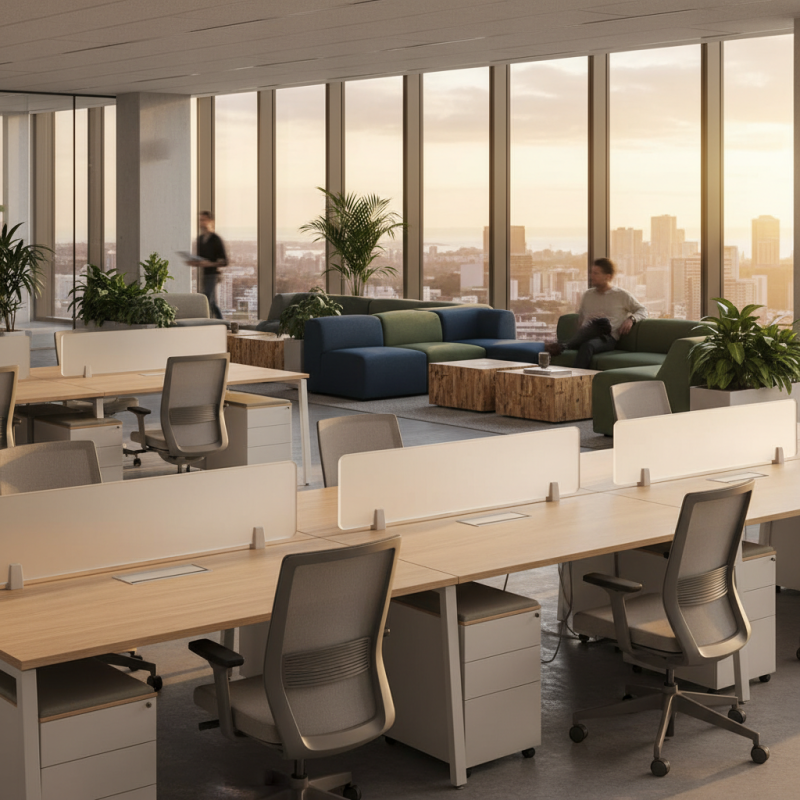
When companies consider purchasing office furniture, various factors come into play. Comfort is one essential aspect. Employees spend hours sitting, so ergonomic designs are vital. Meanwhile, durability cannot be overlooked. High-quality materials ensure longevity. Investing in robust furniture saves money over time.
Budget is another crucial factor. Companies often set limits for their office furniture spending. It's not just about aesthetics; functionality matters too. Multi-purpose furniture that maximizes space creates a highly efficient work environment. Flexibility is a trend many businesses are embracing. Modular furniture can adapt as needs change.
**Tip:** Evaluate your space before purchasing. Measure areas to ensure new furniture fits well.
Sustainability plays a growing role in purchase decisions. Companies increasingly seek environmentally friendly options. Used or recycled materials resonate with many brands. However, balancing sustainability with affordability can be challenging.
**Tip:** Research suppliers who offer sustainable choices. This can align with company values without exceeding the budget.
Ultimately, companies face complex choices when buying furniture. Each decision carries weight, affecting both finance and employee well-being. Reflect on the unique needs of your team to guide these choices.
When choosing office furniture, ergonomics is a key focus for many companies. Proper desk height and chair support can significantly boost employee comfort. For instance, adjustable chairs help accommodate different body types. This prevents strain and enhances productivity.
Employee well-being is tied closely to furniture design. Tables that allow for standing or sitting promote movement throughout the day. A comfortable environment encourages longer focus periods and reduces fatigue. In contrast, poorly designed furniture may cause discomfort and distract from tasks.
Companies sometimes overlook how furniture affects collaboration. Open spaces with appropriate seating can foster teamwork. Yet, too much noise can be a problem. It’s important to find a balance. Evaluating these aspects helps create a supportive work atmosphere. Investing thought in furniture choices leads to better performance and happier employees.
| Factor | Description | Importance Level (1-5) |
|---|---|---|
| Ergonomics | Furniture designed to support the natural posture and movement of the body. | 5 |
| Employee Comfort | Ensuring employees feel comfortable while working to boost productivity. | 4 |
| Aesthetics | Visual appeal of furniture that contributes to the overall office environment. | 3 |
| Durability | The lifespan of the furniture which affects long-term costs. | 5 |
| Budget | Consideration of financial resources available for office furniture purchases. | 4 |
| Adjustability | Features that allow furniture to be modified for individual preferences. | 4 |
| Sustainability | Use of environmentally friendly materials and production processes. | 3 |
| Space Utilization | Maximizing efficient use of office space with suitable furniture designs. | 4 |
When companies consider purchasing office furniture, budget constraints often play a decisive role. According to a recent study by the International Facility Management Association, furniture accounts for approximately 20% of an office's total setup costs. This significant percentage impacts the choices companies make, as they strive to balance quality with affordability.
Often, organizations face tough decisions when selecting furniture. Cheaper options may seem appealing, but they could lead to higher maintenance costs down the road. A report by the American Society of Interior Designers indicates that investing in durable and ergonomic furniture leads to a 10-20% increase in employee productivity. This data suggests that a larger upfront investment might save companies money and time in the long run.
Tips: Set clear budgets and stick to them. Research different materials and styles to find a balance between cost and quality. Consider the long-term benefits of ergonomic designs. If possible, conduct employee surveys to ensure selected furniture meets their needs. Involving staff can promote a sense of ownership and improve overall satisfaction.
Sustainability is becoming a crucial factor in office furniture procurement. Companies increasingly evaluate the environmental impact of their purchases. A recent report by the International Association of Furniture Manufacturers found that 72% of companies prioritize eco-friendly materials. This growing trend reflects a shift in consumer expectations. Employees prefer to work in sustainable environments. They often associate green efforts with corporate responsibility.
Many businesses are exploring certifications for furniture. Over 40% of companies look for products with well-known eco-certifications. These certifications verify that materials are sourced responsibly. Furniture made from recycled materials also garners attention. A report by the Sustainable Furnishings Council states that nearly 30% of organizations have implemented policies favoring recycled content in their furniture choices.
However, challenges remain. Cost can be a significant barrier. Eco-friendly options might come at a premium. Companies must balance budget constraints with their sustainability goals. Some businesses struggle to find reliable suppliers of sustainable office furnishings. Establishing a transparent supply chain is vital for true eco-friendliness. As the market evolves, the emphasis on sustainability in office furniture will likely grow stronger.
Remote work has significantly influenced office furniture selection. As companies adapt, the focus has shifted towards flexibility and comfort. A recent report by Global Workplace Analytics reveals that 30% of the U.S. workforce is likely to work remotely. This trend shifts priorities in furniture design and layout.
Companies now seek multifunctional furniture. Space-saving desks and ergonomic chairs are more sought after. According to a study by the International Interior Design Association, 75% of offices are rethinking their furniture strategies. It's important to create spaces that cater to both collaboration and individual work.
However, not all companies hit the mark. Some struggle with balancing aesthetics and functionality. There’s a growing concern about whether the furniture effectively supports productivity. Investing in user-friendly designs is essential. Yet, the challenge remains to find quality solutions that fit various spaces. The need for innovation is critical as companies navigate this evolving landscape in office design.
: Comfort and durability are key factors. Ergonomic designs and high-quality materials ensure longevity and employee well-being.
The budget greatly influences decisions. Furniture accounts for about 20% of office setup costs, requiring careful planning.
Many companies prefer multifunctional furniture. Space-saving desks and ergonomic chairs are in high demand for efficiency.
Companies are increasingly seeking environmentally friendly options. However, finding affordable sustainable choices can be challenging.
Conducting employee surveys can help ensure furniture meets their needs. This promotes ownership and boosts satisfaction.
Balancing aesthetics and functionality is tough. Companies struggle to find quality solutions that enhance productivity in various spaces.
When companies decide what office furniture to purchase, they consider several key factors that influence their choices. One major aspect is ergonomics and employee comfort, which play a crucial role in enhancing productivity and overall workplace satisfaction. Additionally, budget constraints significantly impact selection processes, as organizations aim to balance quality with financial viability.
Sustainability and eco-friendliness are also increasingly important in office furniture procurement, prompting companies to seek materials and products that reduce their environmental footprint. Finally, trends in office design, particularly the growing influence of remote work, further shape what companies consider when buying office furniture, as businesses adapt to new work environments and employee preferences. Together, these factors create a comprehensive framework guiding companies in their furniture purchasing decisions.

Sitnova Furniture