How Is Workplace Furniture Design Evolving in China?

Time:2026-06-22 Author:Ethan
0%

In recent years, the evolution of workplace furniture design in China has captured significant attention. Experts like Li Wei, a renowned designer, highlight the shift towards ergonomic solutions. “Workspaces must adapt to the needs of modern employees,” he states. This reflects a broader trend in how workplace furniture design is evolving in China, highlighting a focus on comfort and productivity.

The Chinese market is witnessing an integration of technology and sustainability into its designs. Companies are incorporating eco-friendly materials and smart features. This evolution is challenging traditional design norms. Furniture must not only look good but also support well-being. However, there are concerns about balancing aesthetics with functionality. Some designs may sacrifice comfort for style, leading to potential employee dissatisfaction.

As businesses evolve, so will the needs of their workspaces. Innovative designs can enhance employee morale but may lead to oversights in practicality. Feedback from users is crucial in this space. These nuances in how workplace furniture design is evolving underline the complexities of creating harmonious work environments.
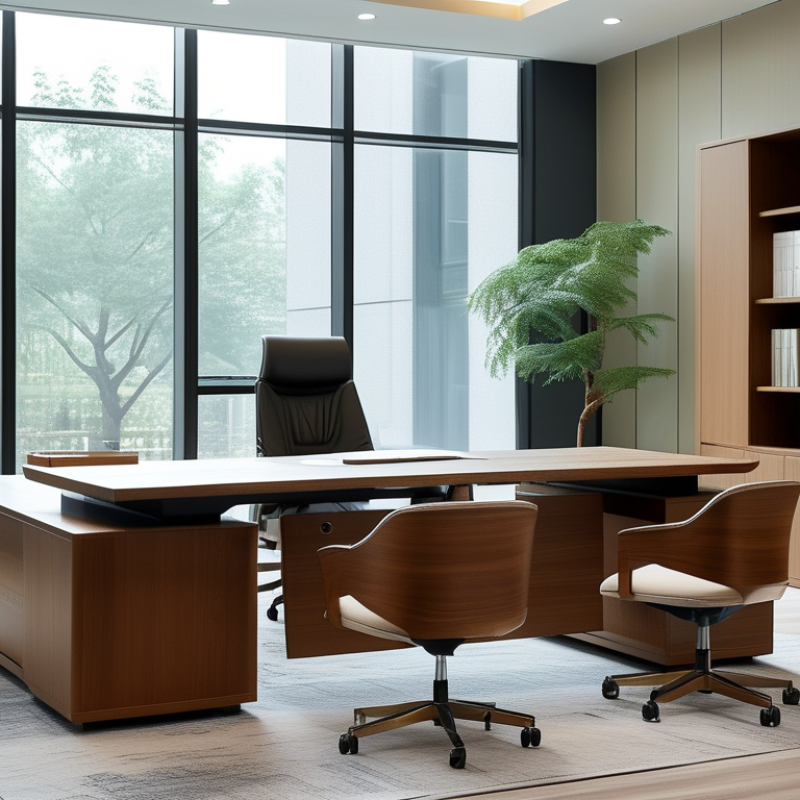
How Is Workplace Furniture Design Evolving in China?

Trends Influencing Workplace Furniture Design in Modern China

Workplace furniture design in modern China reflects the dynamic changes occurring in the business landscape. As more companies embrace remote work, flexibility becomes essential. Employees desire spaces that adapt to their needs. This shift leads to multi-functional designs, equipped with features like movable partitions and adjustable desks. The goal is to create environments that foster collaboration and personal comfort.


Sustainability significantly influences design choices. Designers now source eco-friendly materials. Bamboo and recycled plastics are becoming popular. However, not all manufacturers prioritize this approach. Some still opt for cheaper, less sustainable options. This dichotomy raises questions about responsibility in design. The desire for stylish, ergonomic furniture sometimes overshadows ethical considerations.


Cultural elements also shape workplace aesthetics. Traditional Chinese motifs merge with contemporary styles. This blend reflects a deep-rooted respect for heritage while embracing modernity. However, the challenge lies in balancing cultural significance with practicality. Not every company manages this well. Some designs feel forced, lacking genuine connection to the workplace environment. Refining these aspects can enhance both functionality and employee satisfaction.

Impact of Technological Advancements on Furniture Production

In recent years, technological advancements have significantly transformed furniture production in China. The integration of automation has streamlined manufacturing processes. Robotics and AI systems enhance precision and efficiency, reducing human error in production. This shift allows for quicker responses to market demands, making customization more accessible.

However, these advancements also pose challenges. The reliance on technology may lead to job displacement for skilled artisans. Additionally, the quality of craftsmanship could decline if mass production overshadows artisanal techniques. Sustainable practices must also evolve alongside these advancements to ensure minimal environmental impact.

Another aspect to consider is the collaboration between designers and tech experts. This synergy fosters innovative designs that cater to modern workplace needs. Yet, the risk remains that the human element in design might be compromised. Balancing technology and creativity is essential for the future of workplace furniture in China. The journey is far from perfect, but a thoughtful approach can yield positive outcomes.

How Is Workplace Furniture Design Evolving in China? - Impact of Technological Advancements on Furniture Production

Dimension Traditional Methods Modern Methods Impact of Technology
Material Sourcing Local wood and textiles Sustainable materials, composites Increased innovation and eco-friendliness
Production Speed Manual craftsmanship Automated manufacturing Faster response to market demands
Design Flexibility Fixed designs Modular and customizable options Enhanced user experience and satisfaction
Smart Features Minimal technology integration Incorporation of IoT and smart devices Improved ergonomics and functionality
Market Trends Limited to traditional styles Emphasis on contemporary and global designs Broadening consumer choices and preferences

Sustainability Practices in Chinese Workplace Furniture Design

The trend of sustainability is rapidly influencing workplace furniture design in China. A recent report indicates that over 70% of companies prioritize eco-friendly practices in their office environments. Designers are more focused on materials like bamboo and reclaimed wood. These materials reduce waste and decrease environmental impact. Clients recognize the value of such choices.


There is still room for improvement. Many companies struggle to fully implement sustainable practices. A survey found that 40% of businesses lack clear guidelines on eco-friendly practices. This inconsistency can lead to disjointed efforts. The challenge lies in providing clear alternatives for companies hesitant to change.


Furthermore, the lifecycle of furniture needs more attention. The majority of office furniture is replaced every five to seven years. This cycle contributes to vast amounts of waste. Encouraging modular designs could enhance longevity. As the industry evolves, a deeper commitment to sustainability is essential for both environmental protection and long-term economic viability.

Cultural Influences on Ergonomic and Aesthetic Choices

In recent years, workplace furniture design in China has undergone significant transformation. This evolution reflects deep cultural influences that shape ergonomic and aesthetic choices. According to a 2023 report from the China National Furniture Association, 75% of companies prioritize ergonomics in their designs. This shift highlights an awareness of employee well-being and productivity. Many designers blend modern aesthetics with traditional Chinese elements, creating unique pieces that resonate with local culture.

The integration of natural materials is another trend. Bamboo and reclaimed wood are often used to reflect sustainability, a growing concern among Chinese consumers. A recent survey by Statista indicates that 67% of respondents favor eco-friendly furniture options. This desire for environmentally conscious designs influences not only aesthetics but also comfort. However, balancing tradition with innovation can pose challenges. Some designs may compromise on functionality for the sake of cultural symbolism.

Cultural heritage plays a crucial role in workplace environments. The choice of colors, shapes, and materials often draws from Chinese philosophy. The emphasis on harmony and balance impacts layouts, driving a preference for open spaces. Yet, many companies still grapple with creating functional spaces that comply with these cultural ideals. As China continues to evolve, the dialogue between tradition and modernity remains critical in developing effective workplace furniture.

Future Directions of Workplace Furniture Innovation in China

The evolution of workplace furniture in China reflects a shift towards flexibility and sustainability. Many companies are prioritizing multifunctional pieces that adapt to various needs. Open spaces require furniture that encourages collaboration, while private areas demand comfort and focus. Designers are also exploring sustainable materials, responding to environmental concerns.

New trends highlight the importance of health and well-being. Ergonomic chairs and desks are now standard in many offices. However, there is still room for improvement regarding accessibility. Many designs overlook the needs of diverse workers. Incorporating adjustable features could enhance usability for everyone.

In addition, technology integration is reshaping furniture design. Smart desks that monitor posture and encourage movement are emerging. Yet, the challenge remains to create a balance between tech and human interaction. Furniture should enhance, not replace, meaningful connections among coworkers. As the future unfolds, these innovations will shape a more inclusive and functional workplace.

FAQS

: How has remote work influenced workplace furniture design?

: Remote work has increased the demand for flexibility. Employees now prefer adaptable spaces.

What materials are commonly used in sustainable furniture design?

Eco-friendly materials like bamboo and recycled plastics are popular. However, not all manufacturers choose sustainability.

How does culture affect workplace furniture aesthetics?

Cultural motifs blend with modern styles. This mix showcases respect for heritage while embracing current trends.

What challenges do companies face in integrating cultural elements into design?

Balancing cultural significance and practicality can be difficult. Some designs may feel forced or disconnected from their environment.

Why is ergonomics important in workplace furniture design?

Ergonomics is key for employee well-being and productivity. A 2023 report shows 75% of companies prioritize ergonomics.

How do natural materials contribute to workplace design trends?

Natural materials reflect sustainability concerns. Bamboo and reclaimed wood are favored for their eco-friendly appeal.

What impact does traditional Chinese philosophy have on workspace layouts?

Traditional philosophy emphasizes harmony and balance. Many companies prefer open spaces but struggle with functionality.

Are there any compromises made between tradition and innovation?

Yes, sometimes functionality is sacrificed for cultural symbolism. This can hinder practical use in the workplace.

How do employees feel about the blend of aesthetics and comfort in furniture?

Many appreciate unique designs that resonate with their culture. However, comfort and functionality should not be overlooked.

What can be improved in modern workplace furniture design?

More focus on genuine connections to the workspace is needed. Refining cultural aspects can enhance employee satisfaction.

Conclusion

In recent years, how workplace furniture design is evolving in China has been significantly influenced by various trends. Modern Chinese workplaces are increasingly integrating technological advancements, which streamline production processes and enhance the functionality of furniture. Additionally, the emphasis on sustainability has led to innovative design practices that prioritize eco-friendly materials and production methods, reflecting a growing awareness of environmental impact.

Cultural influences also play a vital role in shaping ergonomic and aesthetic choices in workplace furniture. Designers are blending traditional elements with contemporary styles, creating spaces that promote both comfort and productivity. As the demand for flexible and adaptable work environments rises, the future directions of workplace furniture innovation in China are poised to focus on customizable solutions that cater to diverse needs, ultimately transforming how individuals experience their workspaces.

Ethan

Ethan

Ethan is a seasoned marketing professional with a deep expertise in our company's innovative product line. With a passion for sharing knowledge and insights, he takes the lead in regularly updating our corporate blog, where he explores industry trends, product features, and effective marketing......