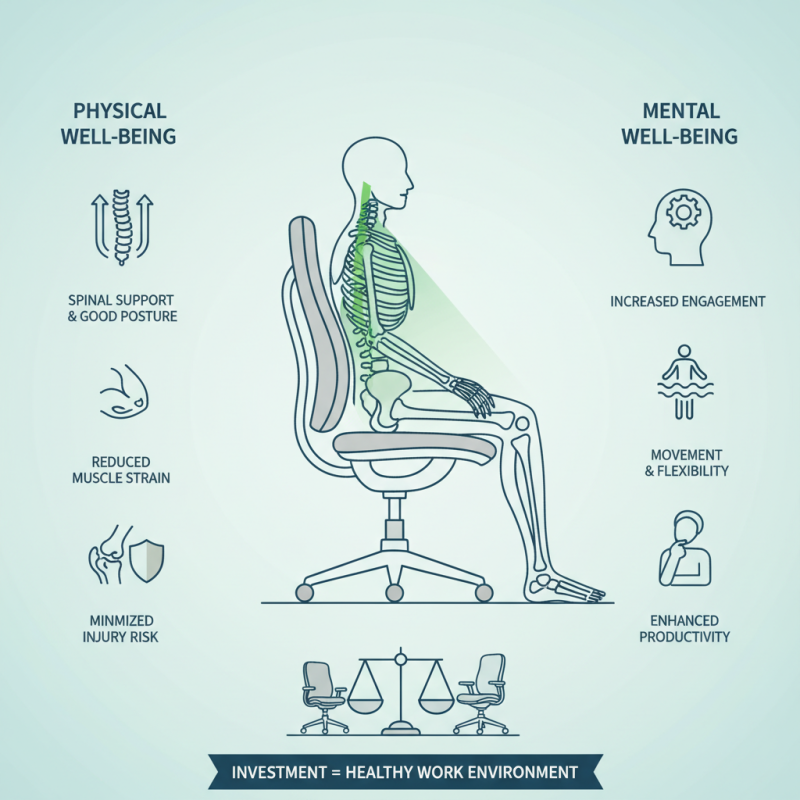
Ergonomic seating plays a vital role in enhancing workplace comfort. Many employees spend hours at their desks. Uncomfortable seating can lead to fatigue and diminished productivity. When we think about how ergonomic seating improves workplace comfort, it is essential to focus on both physical and mental well-being.
Comfortable chairs support the spine and promote good posture. This support reduces muscle strain and minimizes the risk of injury. Additionally, a well-designed chair allows for movement and flexibility. Employees feel more engaged when they are comfortable. However, not every ergonomic chair fits every body type. Personal preferences and individual needs must be considered.
Moreover, while ergonomic seating is beneficial, companies sometimes overlook its importance. Some organizations may still provide outdated furniture. This negligence can negatively impact employees. Therefore, investing in ergonomic solutions is not just an option; it is a necessity for fostering a healthy work environment.
Ergonomics is the science that studies how we interact with our environment. Good ergonomic design leads to improved comfort, especially when it comes to seating. Comfort in seating can significantly enhance productivity and reduce discomfort at work.
Chair design matters. The right chair supports the lower back and encourages proper posture. It should also allow for movement. A chair that’s too rigid can trap you in one position. This can lead to strain over time. Try to choose a chair that offers lumbar support. A slight backward tilt can also be beneficial.
**Tips for Improvement:** Adjust your chair height so your feet rest flat on the floor. Keep your knees parallel to your hips. Use armrests that allow your shoulders to relax. Remember, comfort is personal. What works for one may not work for another. Test different options until you find your ideal setting.
Monitor placement is also key. If it's too low or high, you'll strain your neck. Position your screen at eye level to avoid discomfort. Don’t forget to stand and stretch periodically. Regular movement is essential. It helps maintain circulation and keeps your body engaged.
| Seating Feature | Benefit | Impact on Comfort Level | Recommended Duration of Use |
|---|---|---|---|
| Adjustable Height | Allows for optimal desk height alignment | Increases comfort and reduces strain | Full workday |
| Lumbar Support | Supports lower back and promotes posture | Enhances comfort during long sitting periods | As needed |
| Cushioned Seat | Reduces pressure on sitting bones | Improves overall comfort | Full workday |
| Armrests | Supports arms and reduces shoulder strain | Increases comfort and reduces fatigue | As needed |
| Mobility / Castors | Facilitates easy movement | Enhances workspace flexibility | Full workday |
In modern workplaces, ergonomic seating plays a vital role in ensuring employee comfort. Research indicates that approximately 78% of employees experience discomfort due to inadequate seating. This discomfort often leads to decreased productivity and higher turnover rates. Ergonomic chairs are designed to support the natural curve of the spine, promoting better posture. A recent study found that employees using ergonomic seating reported a 30% decrease in back pain.
Moreover, the overall benefits of ergonomic seating extend beyond physical comfort. Employees feel more engaged when they are not distracted by discomfort. A report from the Occupational Safety and Health Administration suggests that improved comfort can increase productivity by up to 17%. However, companies often overlook the importance of investing in quality seating. Many workplaces still rely on standard chairs, which may not meet the diverse needs of employees. This neglect can lead to long-term health issues and financial losses for businesses.
In reflection, the importance of ergonomic seating cannot be underestimated. As work patterns evolve, so too should our office furniture. Investing in ergonomic solutions is not simply a trend; it is a necessity for fostering a healthy work environment. Addressing ergonomic needs can transform productivity and well-being in the workplace.
Ergonomic seating is crucial for enhancing comfort at work. These chairs feature several key components that promote better posture and reduce strain. According to the Occupational Safety and Health Administration (OSHA), musculoskeletal disorders account for 33% of the injuries in the workplace. Ergonomic chairs can significantly decrease these risks.
Chair height adjustability is a foundational feature. Workers can tailor the height to their needs, ensuring that their feet rest flat on the floor. Lumbar support is another essential aspect. It supports the lower back, helping maintain the natural curve of the spine. This can enhance comfort, especially during long hours of sitting.
Tips: Choose a chair with adjustable armrests. This can help prevent shoulder strain. Remember to take breaks, too. Standing or stretching for a few minutes can rejuvenate your body and mind.
A well-designed seat cushion can further improve comfort. It should distribute weight evenly and alleviate pressure points. Research from the Journal of Occupational Rehabilitation shows that comfortable seating increases productivity by 10-15%. However, not all ergonomic chairs are perfect for everyone. It’s essential to evaluate personal preferences and consider various chair styles.
Ergonomic seating can significantly improve comfort and productivity at work. Studies show that proper seating reduces the risk of musculoskeletal disorders by 50%. With many employees spending over eight hours a day seated, the right chair is crucial. The American Chiropractic Association states that ergonomic chairs can alleviate lower back pain and other discomforts.
Regular use of ergonomic seating leads to improved posture. This, in turn, enhances focus and overall job performance. A research report indicated that companies investing in ergonomic solutions see a 20% increase in productivity. This improvement is not just about comfort. It's about creating a healthier work environment.
Tips: Adjust your chair so your feet rest flat on the floor. Keep your knees at a 90-degree angle. Take breaks every hour to stretch. This can help refresh your mind and reduce fatigue. Selecting a chair that supports your lower back is essential. Small adjustments can make a big difference. Optimal seating creates a space where employees thrive.
Selecting the right ergonomic chair is crucial for comfort at work. A well-chosen chair can reduce strain, improve posture, and enhance productivity. Studies indicate that poor seating contributes to musculoskeletal disorders, affecting nearly 60% of office workers. Investing in ergonomic seating can significantly reduce these risks.
When choosing an ergonomic chair, assess your specific needs. Look for adjustable features like seat height and armrests. Ensure the chair provides lumbar support. According to research, chairs with good lumbar support can decrease discomfort by up to 50%. Testing different models is essential; a chair that feels great for one person may not suit another.
Consider seat depth and material as well. A good chair should allow your back to rest against the backrest while keeping your feet flat on the ground. Remember, not all chairs labeled as ergonomic provide the same support and comfort. Regularly evaluating your seating setup can lead to better long-term results in your workspace.
: Ergonomic seating improves comfort and productivity. It reduces musculoskeletal disorder risks by 50%.
It helps improve posture, leading to better focus and job performance.
Your feet should rest flat on the floor. Knees should be at a 90-degree angle for maximum comfort.
Companies investing in ergonomic solutions see a 20% increase in productivity.
Look for adjustable features and lumbar support. Not all ergonomic chairs offer the same comfort.
Test different models. A comfortable chair for one may not suit another.
It's recommended to take breaks every hour to stretch and refresh your mind.
Seat depth and material affect comfort. Choose a chair that supports your back properly.
Yes, regular evaluations can improve your workspace experience over time.
Poor seating can lead to discomfort and musculoskeletal disorders for many office workers.
Ergonomic seating plays a crucial role in enhancing comfort and productivity in modern workplaces. By understanding the science behind ergonomics, we can appreciate how ergonomic seating improves workplace comfort. Key features such as adjustable height, lumbar support, and seat depth are designed to accommodate individual body types and promote natural posture, reducing strain during long hours of sitting.
The health benefits of using ergonomic chairs are significant, as they can alleviate back pain, improve circulation, and decrease fatigue. When selecting the right ergonomic chair for your workspace, it's essential to consider these features to ensure that the chair aligns with your specific needs and promotes a healthier work environment. Investing in ergonomic seating not only boosts comfort but also contributes to overall employee well-being and productivity.

Sitnova Furniture