Creating a welcoming atmosphere in waiting areas is crucial for enhancing customer experience. Research shows that 70% of buyers value comfort during their waiting periods. This comfort can significantly influence their overall satisfaction and willingness to engage with a brand. Accordingly, understanding what makes a comfortable waiting area environment can drive customer loyalty and repeat visits.
Factors such as seating arrangement, lighting, and noise levels play an essential role. Comfortable seating options allow buyers to relax, making their wait feel shorter. High-quality ambient lighting improves mood, while excessive noise can increase stress and frustration. An industry report from the Customer Experience Institute highlights that 65% of customers are likely to return to a business with a well-designed waiting area.
However, not all waiting areas get it right. Some fail to consider important elements or overlook personal preferences. Furthermore, the balance between aesthetics and functionality often leads to compromises. By analyzing what makes a comfortable waiting area environment, businesses can turn these often-neglected spaces into opportunities for positive engagement.
Understanding the Psychological Impact of Waiting Area Design on Buyers
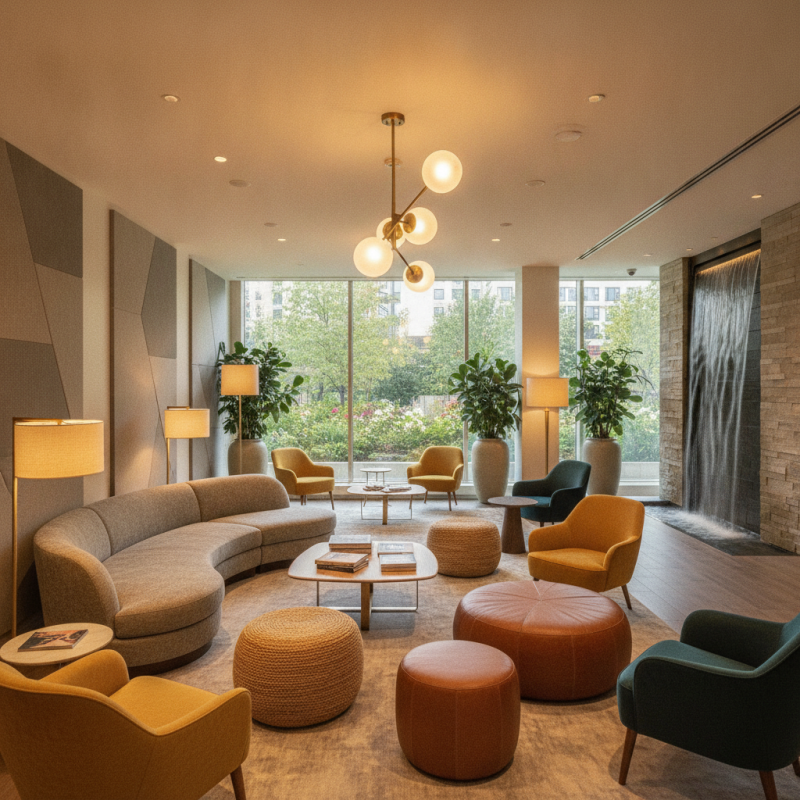
The design of a waiting area significantly affects buyers' emotions and perceptions. A well-designed space can make clients feel more at ease. For instance, incorporating comfortable seating can reduce anxiety. Natural light is also essential. It can create a more welcoming atmosphere. Soft colors and soothing art pieces contribute to a calm vibe. When buyers feel comfortable, they are more open to dialogue.
However, not all designs achieve this goal. For example, overcrowded spaces can lead to discomfort. Excessive noise from nearby activities can also increase stress levels. Additionally, the layout should promote a sense of privacy, which is often overlooked. Without these elements, buyers might feel rushed or overwhelmed. It’s essential for businesses to reflect on their waiting areas regularly.
Creating an inviting environment goes beyond aesthetics. Understanding the psychological impact is crucial. Buyers might not articulate their feelings, but they do perceive the atmosphere. When they sense tension or chaos, their experience can be negatively impacted. Businesses should strive for a balance that engages buyers effectively. A thoughtful approach can transform how buyers view a brand.
Factors Contributing to a Comfortable Waiting Area
Key Elements of Comfortable Seating in Waiting Areas for Enhanced Experience
Creating a comfortable waiting area for buyers is essential for a positive experience.
Comfortable seating plays a pivotal role in this environment. For instance,
well-padded chairs can provide support, while wider seats can accommodate different body types. The choice of materials also matters.
Soft fabrics can enhance comfort, while breathable options keep visitors cool.
Lighting can greatly influence how seating is perceived.
Natural light helps create an inviting atmosphere.
Dim, harsh lighting can make seats feel unwelcoming. Adding personal touches, like throw pillows or small blankets, can also improve comfort.
However, it’s easy to overcrowd a space with decor.
Striking a balance is vital.
Accessibility should not be overlooked.
Placement of seating should consider traffic flow. Too close together, and the space feels cramped.
Too far apart, and it can feel isolating. Ultimately, the goal is to cater to a diverse audience.
Reflection on past waiting areas reveals that little details can significantly impact overall comfort.
The Role of Lighting in Creating a Relaxing Waiting Area Atmosphere
Creating a comfortable waiting area requires attention to many details, particularly lighting. The right lighting can truly transform a space, making it feel welcoming and calm. For instance, warm, soft lighting is ideal for relaxation. It creates an ambiance that soothes the mind. Dim, harsh lighting can provoke anxiety and discomfort.
While natural light is a great option, it’s not always available. In that case, using strategically placed lamps can enhance the atmosphere. Incorporate adjustable fixtures for flexibility. This approach allows you to change the mood depending on the time of day.
However, it's essential not to rely solely on one type of lighting. A mix of ambient and task lighting can remove shadows and reduce eye strain. Nonetheless, too bright a space can feel sterile and uninviting. It’s a delicate balance. Reflecting on your lighting choices can lead to a more effective environment for waiting buyers, ensuring they feel at ease as they await service.
Incorporating Nature: The Benefits of Greenery in Waiting Areas for Buyers
Creating a comfortable waiting area is pivotal in enhancing the buyer's experience. Incorporating greenery into this space can have profound effects. Plants can reduce stress and improve mood, leading to a calm atmosphere. A few potted plants or a small indoor garden can transform dull spaces into vibrant ones.
The presence of nature can also influence perception. Buyers often feel more relaxed when surrounded by greenery. This connection to nature might remind them of peaceful experiences. A live wall or hanging ferns can attract attention. However, it's essential to maintain the plants well. Neglected greenery can create the opposite effect and lead to disappointment.
A balance is necessary. While adding plants creates warmth, overcrowding can lead to chaos. Carefully selecting the right type of greenery is crucial. Consider low-maintenance options that thrive indoors. Buyers may appreciate a clean, curated look as much as they enjoy witnessing nature. Ensuring these spaces are not only visually appealing but also functional adds to the overall inviting ambiance.
What Makes a Comfortable Waiting Area Environment for Buyers? - Incorporating Nature: The Benefits of Greenery in Waiting Areas for Buyers
| Aspect |
Benefit |
Example of Implementation |
| Natural Light |
Enhances mood and reduces stress |
Large windows or skylights |
| Indoor Plants |
Improves air quality and promotes relaxation |
Potted plants in waiting areas |
| Water Features |
Creates a calming atmosphere |
Fountains or aquariums |
| Natural Materials |
Fosters a connection to nature |
Wooden furniture and stone accents |
| Color Schemes |
Influences psychological comfort |
Earthy tones and soft colors |
Multisensory Experiences: How Sound and Aroma Affect Buyer Comfort
Creating a comfortable waiting area is essential for enhancing the buyer experience. A key factor in this environment is the use of multisensory elements, such as sound and aroma. Soft background music can significantly influence mood. It can ease tension and create a more welcoming atmosphere. A careful choice of melodies or nature sounds invites relaxation. Yet, not everyone responds the same way to sound. Some might find it distracting rather than soothing.
Aromatherapy also plays a pivotal role in comfort levels. Scents like lavender and citrus can promote calmness and alertness. When entering a space filled with pleasant aromas, visitors are more likely to feel at ease. However, overbearing scents might backfire. If a fragrance is too strong, it can overwhelm the senses. Observing how people react to different aromas can help refine the environment.
In designing a waiting area, it’s tempting to focus solely on the aesthetics. Yet, sound and aroma can disrupt or enhance the overall experience. Assessing these sensory elements is crucial. A simple mistake, like ignoring the volume of music or the intensity of a scent, can negatively affect comfort. Regular feedback from visitors can guide improvements. Balancing these aspects requires ongoing attention and adaptation.
FAQS
: A well-designed waiting area can reduce anxiety and create comfort for clients.
Natural light contributes to a welcoming atmosphere and enhances overall buyer experience.
Comfortable seating can help ease stress and improve communication between clients and service providers.
Warm, soft lighting is ideal for creating a calm and soothing ambiance.
Incorporating plants can reduce stress and improve mood, making the space more inviting.
Overcrowded spaces and excessive noise can lead to discomfort and increased buyer anxiety.
Regular assessments of the space can help identify areas for improvement and enhance buyer experience.
Poorly maintained plants can create disappointment and diminish the inviting atmosphere.
Yes, a layout that promotes privacy helps buyers feel secure and comfortable during their wait.
The right mix of ambient and task lighting can reduce discomfort and enhance relaxation.
Conclusion
Creating a comfortable waiting area environment is crucial for enhancing the buyer's experience. Key elements include thoughtful seating arrangements that prioritize comfort and support, which can significantly affect how buyers feel while waiting. Additionally, lighting plays a pivotal role in establishing a relaxing atmosphere; soft, warm light can help diminish anxiety and create a welcoming space.
Incorporating greenery into waiting areas also contributes to a more inviting environment, as nature has been shown to reduce stress levels and promote a sense of well-being. Furthermore, the integration of multisensory experiences—like gentle background sounds and pleasant aromas—can enhance comfort and make the waiting experience more enjoyable. Overall, understanding what makes a comfortable waiting area environment involves a holistic approach that considers psychological impacts, design elements, and sensory engagement.

 Sitnova Furniture