10 Tips for Choosing Truly Ergonomic Office Chairs?

Time:2026-07-27 Author:Mason
0%

Finding the right office chair is crucial for long hours of work. A poorly designed chair can lead to discomfort and health issues. When searching for the perfect fit, one may wonder: what makes an office chair truly ergonomic?

An ergonomic chair supports your body's natural posture. It should promote healthy spinal alignment and reduce strain. Look for features such as adjustable height, lumbar support, and seat depth. Each person’s body is different, so a chair must accommodate various shapes and sizes.

Remember, what feels comfortable at first may not last through a full workday. Test the chair before making a decision. Spend time sitting and adjusting various settings. Keep in mind that the perfect ergonomic chair is not just about aesthetics. Its purpose is to support you during those long hours at your desk.
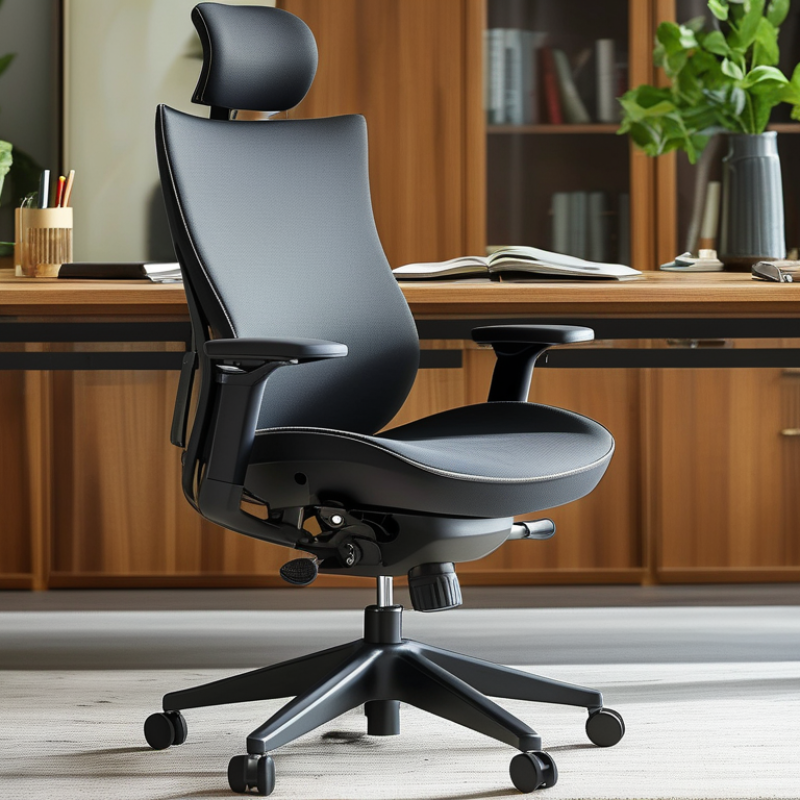
10 Tips for Choosing Truly Ergonomic Office Chairs?

Understanding Ergonomics: The Science Behind Comfortable Seating

Ergonomics is the study of how humans interact with their environment. In an office setting, proper ergonomic design can enhance comfort and productivity. A well-designed chair supports the body and reduces strain during long hours of sitting. It should promote good posture, allowing the spine to maintain its natural curve.

When selecting an office chair, consider adjustable features. A good chair should have adjustable height, armrests, and back support. This flexibility adds to the chair's overall effectiveness. Test different settings to find what feels best for you. Remember, what works for one person might not work for another.

Take note of materials used in the chair. Breathable fabrics can keep you cool, while cushioned seats offer comfort. Reflect on your own seating habits. Are you shifting frequently due to discomfort? It's essential to be mindful of your body's signals. An ergonomic chair can help reduce those urges to fidget, improving focus on tasks. Choose wisely, as your decision influences daily productivity and overall well-being.

Key Features to Look for in Ergonomic Office Chairs

When selecting an ergonomic office chair, it’s vital to prioritize key features that support your health and productivity. Research shows that over 50% of office workers experience discomfort due to poor seating choices. A well-designed chair can help mitigate this risk. Look for adjustable seat height, enabling your feet to rest flat on the floor. This simple adjustment can reduce unnecessary strain on your lower back.

Back support is another critical element. Chairs with lumbar support help maintain the natural curve of the spine. According to a report from the Occupational Safety and Health Administration (OSHA), ergonomic chairs can improve posture and reduce the risk of chronic pain by up to 20%. Additionally, materials play an essential role. Breathable fabrics or cushioning can enhance comfort during long hours of use.

Don’t overlook armrests. They should be adjustable and allow you to keep your arms at a 90-degree angle while typing. This minimizes shoulder strain and enhances focus. Some designs may lack adequate mobility, limiting your movement and promoting stiffness. If a chair feels restricted, reconsider your choice. Investing in a chair that meets your body's unique needs can lead to significant improvements over time.

Adjustability: Ensuring a Customized Fit for Every User

When choosing an ergonomic office chair, adjustability is key. A chair that can fit a variety of body types and preferences increases comfort and productivity. Studies suggest that a properly fitted chair can reduce discomfort by up to 40%. Many chairs today should offer adjustable seat height, backrest angle, and lumbar support. These features allow the chair to conform to each user’s specific needs.

It’s essential to consider how these adjustments cater to various tasks. For instance, tasks requiring extensive computer use can benefit from a seat that allows users to maintain a 90-degree angle at the elbows. A study by the Occupational Safety and Health Administration highlights that chairs with these adjustability features can significantly decrease the risk of musculoskeletal disorders. However, many people overlook the importance of testing chairs before purchase. Personal preferences vary widely; not all adjustments may feel comfortable, making real-world testing crucial.

Despite the advances in ergonomic design, challenges remain. Users often ignore the features available to them. It’s not uncommon to see employees stuck in non-ideal positions even with adjustable chairs. Awareness and education about proper adjustments are vital. A chair that sits unused in its adjusted state still may lead to discomfort. Investing time in finding the perfect fit for individual needs can make all the difference in workplace health.

Material Matters: Choosing Breathable Fabrics and Supportive Foam

When selecting an ergonomic office chair, the materials play a crucial role in comfort and support. Breathable fabrics can significantly affect the user's experience. According to recent studies, approximately 83% of individuals report increased comfort in chairs with mesh upholstery. This material allows for better air circulation, reducing heat buildup during long working hours.

Supportive foam is another essential aspect. High-density foam can help distribute body weight evenly. Research indicates that chairs with memory foam or gel layers can decrease pressure points by nearly 30%, enhancing overall comfort. However, not all foam is created equal. Low-quality foam tends to lose its shape quickly, leading to discomfort and potential musculoskeletal issues over time.

Choosing the right materials is not as straightforward as it may seem. Many consumers overlook the importance of fabric breathability. They often choose styles based on aesthetic appeal rather than functionality. Likewise, the longevity of foam is frequently underestimated. Users might find themselves compromising on quality for cost savings, ultimately affecting their health and productivity. Making informed decisions about chair materials can lead to a more comfortable and supportive workspace.

10 Tips for Choosing Truly Ergonomic Office Chairs

Testing and Reviews: Evaluating User Experiences and Chair Performance

When evaluating ergonomic office chairs, user experiences play a crucial role. Reviews often highlight comfort and support. Users express how certain features, like lumbar support or adjustable height, impact their daily tasks. For instance, a chair with proper lumbar support can reduce back pain, but not every user finds the same level of comfort. Some may wish for more cushioning, while others prefer a firmer seat. Preferences vary widely.

Testing the performance of chairs can involve different criteria, including durability and ease of adjustment. Observing how a chair performs over weeks is essential. Users frequently mention how the ease of adjusting the height and tilt mechanism affects their workflow. A chair that feels good at first might not age well. Some features may become stiff or less responsive, leading to frustration. The real-world testing often reveals inconsistencies that manufacturers may overlook.

It's important to look for detailed user feedback when choosing a chair. Anecdotes about wear and tear can provide useful insights. A chair recommended for long hours might not suit everyone. Height, weight, and personal preferences all come into play. Carefully reading user reviews helps in making a knowledgeable choice amidst varied opinions.

FAQS

: What is ergonomics?

: Ergonomics studies how people interact with their environment. It aims to improve comfort and productivity.

Why is chair design important?

A well-designed chair supports the body. It helps reduce strain when sitting for long periods.

What adjustable features should I look for?

Look for adjustable height, armrests, and back support. Tailoring these settings enhances comfort.

How do materials affect chair comfort?

Breathable fabrics keep you cool. Cushioned seats provide comfort during extended use.

What signs should I notice about my seating habits?

Pay attention if you often shift due to discomfort. This indicates your chair may be unsuitable.

How can ergonomic chairs reduce discomfort?

They promote good posture and maintain the spine's natural curve. This can lower chronic pain risks.

How can user reviews influence my chair choice?

Reviews reveal personal experiences and comfort levels. They can help you find a chair that fits your needs.

What should I check for in long-term chair performance?

Consider the durability and ease of adjustment. A chair that felt good initially may change over time.

Are all ergonomic chairs the same for every user?

No. Different users may have varying preferences. What works for someone else may not suit you.

Conclusion

Choosing a truly ergonomic office chair involves understanding the science of ergonomics, which focuses on creating comfortable seating that enhances productivity and reduces strain. Key features to consider include adjustable components such as seat height, armrests, and lumbar support, allowing users to customize the chair to their specific body dimensions. Additionally, the materials used in the chair, such as breathable fabrics and supportive foam, play a critical role in comfort and durability.

What makes an office chair truly ergonomic goes beyond just adjustability; it includes thorough testing and user reviews that provide insight into real-world performance. By evaluating these aspects, individuals can ensure that they select a chair that not only meets their ergonomic needs but also promotes better posture and overall well-being during long hours of use.

Mason

Mason

Mason is a seasoned marketing professional with a deep expertise in the company's offerings and a passion for driving brand awareness. With a strong background in digital marketing strategies, he has an innate ability to connect with diverse audiences and effectively communicate product benefits.......