In recent years, the focus on how workplace design supports employee wellbeing has intensified. Studies show that well-designed spaces can enhance productivity and satisfaction. According to the Global Workplace Survey 2023, nearly 70% of employees prioritize work environments that promote mental health. This highlights a growing awareness of the link between design and employee wellbeing.
Innovative workplace trends, such as biophilic design and flexible workspaces, are becoming increasingly prominent. Biophilic elements, like natural light and green spaces, contribute significantly to reducing stress levels. A report by the Center for Health Design reveals that access to nature can improve creativity by up to 15%. However, many companies still struggle to integrate these concepts effectively.
While there is a push for better designs, challenges remain. Not all organizations recognize the importance of investment in workplace aesthetics. This leads to missed opportunities for enhancing employee morale and overall productivity. It is crucial to reflect on these shortcomings as we move towards 2026. Design is not just about aesthetics; it is about fostering a supportive culture.
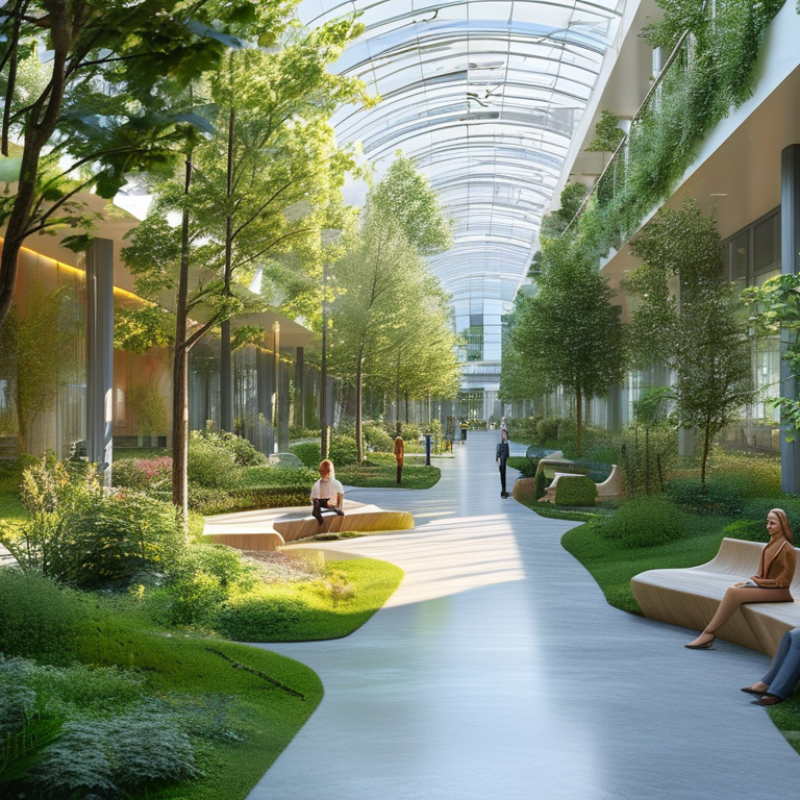
Emerging Trends in Workplace Design for Promoting Employee Wellbeing
In recent years, workplace design has evolved significantly to enhance employee wellbeing. Emerging trends focus on creating environments that support mental and physical health. According to the Global Workplace Survey, 80% of employees believe a well-designed workplace boosts their productivity. Incorporating natural elements, like plants and natural light, can reduce stress and improve mood.
Flexible workspaces are another trend gaining traction. A report from the International Federation of Interior Architects notes that open layouts can foster collaboration, but they may also create distractions. Striking a balance is key. Designing quiet zones or providing soundproof booths can help maintain focus.
Tip: Encourage employees to personalize their workspaces. A personal touch can foster a sense of ownership and boost morale.
Tech integration further enhances the workplace experience. Data from a recent report by the Center for Workplace Design reveals that smart offices improve energy efficiency and employee comfort. However, relying too heavily on technology can be overwhelming.
Tip: Limit screen time during breaks. Encourage employees to disconnect and recharge.
Incorporating these elements can lead to healthier, happier workplaces. Companies must continuously evaluate their designs, ensuring they meet the needs of their workforce.
Incorporating Nature and Biophilic Design for Healthier Workspaces
The incorporation of nature and biophilic design into office spaces is revolutionizing workplace dynamics. Natural elements can reduce stress and increase focus. Offices with plants, natural light, and even water features create a calming atmosphere. Employees feel more invigorated and connected to their environment.
Biophilic design goes beyond aesthetics. It enhances employee wellbeing in measurable ways. Studies show that workplaces incorporating nature improve overall job satisfaction. However, not all designs succeed. A poorly placed plant or overwhelming decorations can detract from productivity. Creating balance is key in biophilic integration.
Collaboration areas could benefit from green walls or living plants. Yet, those spaces must remain functional. Too much nature can lead to cluttered feelings. Designers should carefully evaluate how elements like sunlight and air flow impact mood. This delicate balance can foster a healthier workspace, encouraging both personal and professional growth.
Flexible Layouts and Open Spaces: Enhancing Collaboration and Comfort
In today’s workplace design, flexible layouts and
open spaces stand out as essential elements for
nurturing employee wellbeing. Traditional office designs often restrict movement and
interaction. In contrast, open spaces encourage fluid collaboration. Employees can gather
in casual settings, sparking creativity while feeling more comfortable. This design empowers
teams, allowing spontaneous discussions and innovative solutions to flow naturally.
However, it is vital to balance openness with privacy. Many workers still require quiet areas
for focused tasks. Striking the right chord can be challenging. Too much openness may lead to
distractions. Effective design incorporates designated quiet zones alongside collaborative areas.
This approach allows employees to choose their environment based on their current needs.
Another consideration is the adaptability of spaces. Work environments should be agile,
accommodating diverse work styles. Mobility in furniture and configurations can tailor the office
experience. While these shifts promote positive interactions, they can also require ongoing
adjustment and maintenance. Continuous feedback from employees will ensure that designs serve
their intended purpose, fostering an atmosphere of wellbeing and productivity.
Utilizing Technology to Improve Workplace Ergonomics and Safety
The modern workplace is evolving rapidly, particularly in how technology affects employee wellbeing. Ergonomics is a crucial aspect that cannot be overlooked. With the increasing prevalence of remote and hybrid work models, traditional office setups are becoming outdated. Adjustable desks, ergonomic chairs, and laptop stands should be standard. However, not all employees understand how to set these up effectively.
Integrating technology goes beyond just physical tools. Digital platforms can facilitate virtual assessments of employee workspaces. This approach allows professionals to provide tailored advice on ergonomic improvements. Wearable devices can track posture and encourage regular breaks. Yet, many still see this technology as intrusive rather than beneficial. There’s a delicate balance between monitoring and enhancing wellbeing.
Organizations must recognize that improvement is a continuous process. Investing in training for ergonomic practices can empower employees. Educating them about adjusting their environments is vital. It's not just about providing equipment; it's about fostering a culture of health and safety. Not every solution works for everyone, and businesses should remain flexible to adapt their approaches continuously.
2026 Best Workplace Design Trends for Employee Wellbeing
This chart illustrates the top trends in workplace design aimed at enhancing employee wellbeing through technology, ergonomics, and safety. The data reflects the projected impact of these trends on employee satisfaction and productivity.
Creating Multi-functional Areas for Work-Life Balance and Social Interaction
In 2026, creating multi-functional areas in workplaces will be key to enhancing employee wellbeing. Research shows that environments fostering social interaction can significantly improve job satisfaction. According to a report by the Global Workplace Analytics, companies with flexible workspaces see productivity increase by up to 30%. This data highlights the need for spaces where employees can collaborate, relax, and socialize.
Designing these spaces requires careful thought. Desks placed near communal areas can encourage spontaneous conversations. Lounge zones can offer employees a break from traditional work settings. However, it's important to balance open areas with quiet zones to cater to different work styles. Not everyone thrives in an energetic environment.
Tips for implementation: Incorporate greenery into your designs. Plants can improve air quality and mood. Encourage flexibility in furniture arrangements to adapt to various working needs. Always seek feedback from employees about these spaces. An iterative approach ensures that the design meets everyone’s requirements. Reflect on how these changes impact the workplace culture over time.
FAQS
: Biophilic design incorporates natural elements into workspaces. It aims to enhance employee wellbeing and productivity.
Natural elements reduce stress and boost focus. They create a refreshing, calming atmosphere that improves job satisfaction.
Yes, overwhelming decorations can detract from productivity. Balance is essential in incorporating natural elements effectively.
Technology enables the use of adjustable furniture and virtual assessments. Proper setup enhances employee comfort and reduces injury risks.
Not all employees know how to set up ergonomic workstations. Training and education are vital for effective implementation.
Wearable devices monitor posture and encourage regular breaks. However, some may feel uncomfortable with constant monitoring.
A successful design balances aesthetics with functionality. Consider factors like sunlight and airflow to create a healthy environment.
Improvement is an ongoing process. Organizations must adapt their strategies to foster a culture of health and safety effectively.
Educating employees about their environments empowers them. Knowledge helps them adjust their setups for better health.
A well-designed space encourages growth by fostering connection and focus. It promotes a sense of wellbeing for both aspects.
Conclusion
The 2026 best workplace design trends are increasingly focused on how workplace design supports employee wellbeing. Emerging trends highlight the importance of integrating nature and biophilic design elements into workspaces, fostering a healthier environment that boosts productivity and reduces stress. Flexible layouts and open spaces are being prioritized to enhance collaboration and comfort, allowing employees to interact more freely while still having personal space.
Furthermore, the utilization of technology is revolutionizing workplace ergonomics and safety, ensuring that employees have access to tools that promote physical well-being and efficiency. Additionally, creating multi-functional areas is essential for balancing work-life dynamics and facilitating social interactions among employees. Together, these trends represent a holistic approach to workplace design that prioritizes employee wellbeing, making for more engaged and satisfied teams.

 Sitnova Furniture