In today’s fast-paced work environment, the question of "why ergonomic furniture matters in modern offices" has gained significant importance. Studies indicate that employers lose around $300 billion annually due to lost productivity from discomfort and workplace injuries. Ergonomic furniture not only addresses these issues but also enhances employee well-being. A report from the Occupational Safety and Health Administration highlights that workplaces with ergonomic practices can lead to a 25% reduction in injuries.
Given the rise of remote work and flexible office designs, it’s crucial to understand how ergonomic solutions can improve overall employee satisfaction. Research suggests that over 70% of workers experience discomfort in traditional office setups. Ergonomic chairs and desks can significantly reduce this discomfort, leading to increased focus and higher morale. As we explore the best ergonomic furniture options for 2026, it's essential to consider how they influence not just health, but overall office culture as well.
However, it's important to recognize that the transition to ergonomic furniture requires thoughtful implementation. Companies may face challenges in balancing cost with the need for quality. Adequate investment in ergonomic solutions can initially feel daunting. Yet, the long-term benefits, including improved productivity and decreased turnover, often outweigh these concerns. Reflections on integrating such practices can reveal valuable insights into creating a healthier workplace.
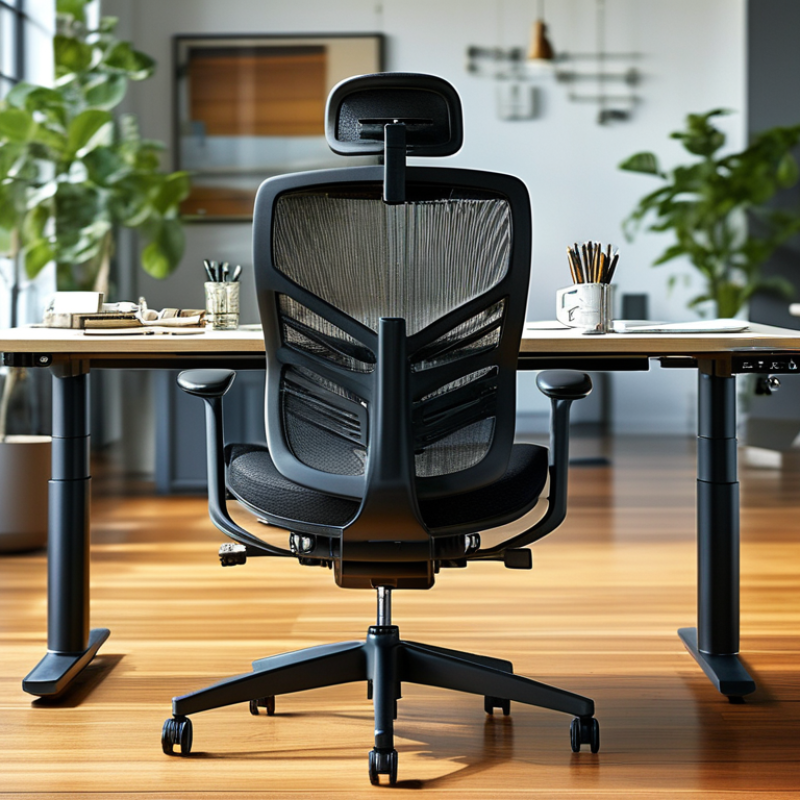
Ergonomic furniture plays a crucial role in modern office design. It encourages good posture and reduces discomfort during long hours of work. Many offices are embracing standing desks, adjustable chairs, and innovative workstations. These elements are designed with human anatomy in mind, promoting better health and productivity.
Incorporating ergonomic elements can lead to fewer work-related injuries. Employees often report feeling more energized and less fatigued. This can enhance focus and improve the quality of work. However, not all ergonomic solutions are perfect. Some may require adjustment to fit individual needs. It’s essential to actively assess and adapt these solutions for optimal benefits.
The true challenge lies in understanding the unique preferences of each employee. What works for one might not work for another. Inconsistent experiences can lead to dissatisfaction. Regular feedback from employees is necessary to refine these ergonomic solutions. As workplaces evolve, a commitment to ergonomics can foster a healthier, more effective office environment.
| Benefit | Description | Impact on Productivity | Health Benefits | Long-term Value |
|---|---|---|---|---|
| Enhanced Comfort | Ergonomic furniture is designed to fit the natural posture of the body. | Reduces discomfort and fatigue, allowing for longer focus on tasks. | Decreases risk of musculoskeletal disorders. | Investing in comfort can lead to lower employee turnover. |
| Increased Focus | Good design facilitates a more efficient workspace. | Enhances job performance through improved concentration. | Promotes psychological well-being. | Higher productivity leads to better company performance. |
| Improved Posture | Promotes alignment of the spine and reduces slouching. | Can lead to quicker completion of tasks. | Reduces long-term back pain issues. | Can minimize healthcare costs for employers. |
| Adaptability | Many ergonomic office furniture pieces are adjustable. | Allows for personalization to individual preferences. | Encourages diverse working styles. | Flexibility attracts a wider pool of talent. |
| Enhanced Collaboration | Ergonomic designs can foster collaborative spaces. | Improves teamwork and communication among employees. | Supports mental engagement through interaction. | Encourages innovation through shared ideas. |
: Ergonomic furniture improves employee comfort, reduces pain, and boosts productivity in modern offices.
A proper desk height minimizes strain on the neck and wrists, leading to a more comfortable workspace.
Yes, comfortable seating helps employees concentrate better and spend less time adjusting their posture.
No, personal preferences vary, and some employees may still experience discomfort despite ergonomic designs.
Businesses need to invest time and resources while continuously assessing the furniture's effectiveness.
Use adjustable chairs and desks, take standing breaks, and regularly stretch to enhance comfort and productivity.
Look for adjustable lumbar support, height-adjustable desks, and ensure good lighting to enhance ergonomics.
Regularly changing positions and slight adjustments to the chair can significantly benefit posture during work.
Regular feedback and adjustments may be needed to find the right ergonomic setup for each individual.
Good lighting reduces eye strain and enhances focus, contributing to a more effective work environment.
In the evolving landscape of modern office design, why ergonomic furniture matters in modern offices cannot be overstated. The emphasis on ergonomic furniture highlights its crucial role in promoting employee health and enhancing productivity. Properly designed furniture can prevent musculoskeletal disorders, reduce fatigue, and improve overall comfort, leading to a more engaged and efficient workforce.
When comparing ergonomic to traditional office furniture, the advantages of ergonomic options become evident, with features aimed at supporting natural body posture and movement. These design elements not only cater to physical well-being but also contribute to a positive work environment. Investing in ergonomic solutions is ultimately more cost-effective, as it reduces healthcare costs and boosts productivity, making it a smart choice for businesses aiming for long-term success.

 Sitnova Furniture