A workplace is experienced in the small moments between scheduled tasks: finding a quiet seat, sharing a quick idea, or taking a proper break. Lounge areas can support those moments when their layout reflects how people actually work. A soft chair beside a window may invite a brief reset, while a communal table can make informal collaboration easier. Details matter. Lighting, acoustics, accessible seating, and convenient power outlets affect whether people choose to use the space.
Understanding how lounge areas improve workplace experience means looking beyond appearance. A thoughtfully designed lounge may encourage connection, give employees an alternative to their desks, and make breaks feel more restorative. It can also create friction if it is noisy, poorly maintained, or too far from everyday work. Not every team needs the same setup. Some people want conversation; others need a calm corner. That tension is worth considering.
The following ten approaches explore practical ways to make lounge areas more useful, comfortable, and welcoming. They focus on choices organizations can assess, such as flexible furniture, clear zoning, and regular feedback from employees. A polished room is not enough. People need to feel comfortable using it. When design decisions are tested against real routines—and adjusted when they miss the mark—a lounge can contribute meaningfully to the daily workplace experience.
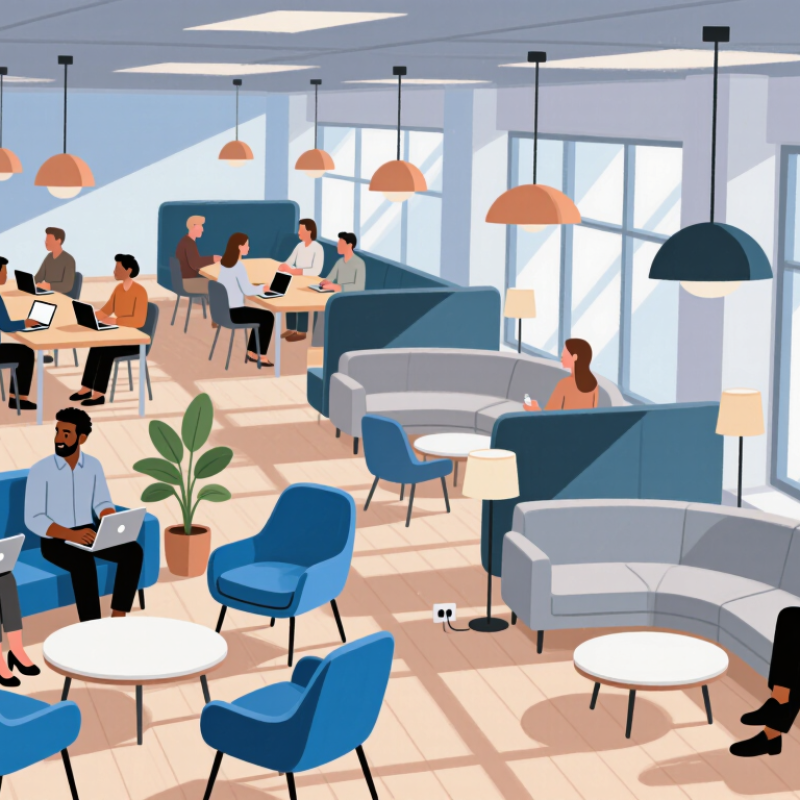
Understanding the Role of Lounge Areas in the Workplace
A workplace lounge is more than a soft chair beside a coffee machine. It gives employees a place to pause, talk informally, or shift from focused work to a quick exchange. That flexibility matters as office routines change. Gallup’s State of the Global Workplace 2024 report found that only 23% of employees worldwide were engaged in 2023. A lounge cannot fix engagement alone, but it can make everyday interactions easier to start.
Design choices shape whether people actually use the space. A small table near a window may suit a one-to-one conversation; a few movable chairs can support a brief team huddle. Provide outlets, clear walkways, and seating with different levels of privacy. Leesman’s workplace research treats spaces for informal social interaction as part of the overall employee experience, not merely decoration. Still, a lounge that looks inviting in a floor plan may feel noisy or exposed in practice. That deserves a rethink. Observe how people use it at different times, then adjust lighting, furniture, and location. Small details count. A seat facing a busy corridor, for example, may discourage a private conversation.
Minimum dimensions from the 2010 ADA Standards for Accessible Design
Why it matters: Adequate clear floor space, turning space, routes, and door openings help people with mobility disabilities access and use workplace lounge areas. These are minimum accessibility dimensions, not measures of employee satisfaction. Requirements may vary by situation; consult the ADA Standards for details.
Source: 2010 ADA Standards for Accessible Design, §§ 304.3.1, 305.3, 403.5.1, and 404.2.3.
A well-designed lounge gives employees a place to pause without leaving the workplace entirely. A chair with firm support, softer lighting, and a small table can make a short break feel distinct from desk time. Quiet helps. Even a few minutes away from notifications may give attention a chance to reset, especially after demanding tasks.
Good lounge design supports choice. Some people recover best in a quiet corner; others prefer a window seat or a low-key conversation. Clear paths, comfortable seating, and a little distance from busy work areas help people use the space without feeling watched. Natural light and a view outdoors can also make the room feel less enclosed. These details are not a cure for heavy workloads, but they can make rest more accessible during the day.
The space should be easy to use, not precious. If every seat faces the same way, or the room sits beside a noisy printer, employees may avoid it. A few practical touches matter: water nearby, surfaces that are easy to clean, and seating suited to different bodies. Still, a lounge can become another meeting room if breaks are constantly interrupted. It takes occasional observation—and honest feedback—to notice when the room looks inviting but fails to help people recover.
| # | Lounge Design Approach | How It Supports Rest and Recovery | Workplace Experience Benefit | Practical Measure |
|---|---|---|---|---|
| 1 | Separate the lounge from busy work zones | Distance from workstations and circulation routes can reduce interruptions and visual activity during breaks. | Employees have a more distinct place to pause away from their usual work setting. | Record noise levels, interruptions, and visitor traffic during typical break periods. |
| 2 | Provide comfortable, supportive seating | A range of supportive seats lets people choose a position suited to a short rest, reading, or conversation. | Breaks can feel more comfortable and accommodating for different preferences and needs. | Review seating use, reported comfort, and maintenance requests. |
| 3 | Offer both quiet and social areas | Distinct settings allow employees to choose solitude or low-pressure interaction according to the break they need. | The lounge can serve people seeking calm as well as those who value informal connection. | Track use of quiet and social zones and gather brief user feedback. |
| 4 | Manage noise with layout and materials | Acoustic absorption, thoughtful furniture placement, and separation from noisy activities can make conversation and quiet time more comfortable. | Fewer sound distractions can make the space feel calmer and easier to use. | Measure sound levels at different times and note recurring noise sources. |
| 5 | Use natural light where practical | Access to daylight can make an indoor break area feel more open and connected to the outdoors. | A brighter, welcoming setting can improve the perceived quality of the break space. | Assess daylight availability, glare, and user feedback across the day. |
| 6 | Include plants and natural materials | Visible natural elements can create a more pleasant, less clinical atmosphere. | The lounge can feel more inviting and visually distinct from task-focused areas. | Check plant condition and ask users to rate the space’s comfort and appeal. |
| 7 | Make the space easy to access | Clear routes, accessible layouts, and convenient locations reduce effort when employees want to take a short break. | More employees can use the lounge independently and comfortably. | Audit routes, door access, turning space, and reach to furniture and amenities. |
| 8 | Provide flexible seating and table options | Different seat types and table heights support varied activities, including resting, eating, and informal discussion. | Employees can choose a setting that fits their break rather than adapting to a single layout. | Observe which settings are used and identify consistently underused areas. |
| 9 | Keep the lounge comfortable and well maintained | Clean surfaces, reliable lighting, suitable temperature, and working amenities help the space remain usable and pleasant. | A dependable environment encourages employees to consider the lounge a genuine place to recharge. | Monitor cleaning checks, repair response times, temperature, and user reports. |
| 10 | Set clear expectations for lounge use | Simple guidance on noise, shared use, and keeping walkways clear helps different activities coexist. | Predictable shared-space behavior can make the lounge more comfortable for a wider range of users. | Review feedback, recurring conflicts, and compliance with posted shared-space guidance. |
A shared lounge gives coworkers a place to meet without booking a conference room.
A sofa near a high table, with outlets and warm lighting, can make quick conversations feel less formal. That small pause matters. People from different teams may compare notes over coffee or raise questions they might not send by email. These casual exchanges can surface useful context, though they should not replace focused meetings or documented decisions.
Good lounge design supports both conversation and choice.
Arrange some seats in small groups, but leave quieter spots and clear paths for people who need space or to move comfortably. A writable wall or shared table can help colleagues sketch an idea together; nearby power keeps laptops usable. Keep the area comfortable, not noisy.
And sometimes, it doesn’t work.
If every seat faces a screen, or the lounge sits beside a loud printer, people may pass through rather than connect. Ask staff what feels welcoming, observe how the space is actually used, and adjust small details over time. A few movable chairs can make room for an impromptu project huddle without turning the whole area into a meeting zone.
A useful lounge is not simply a sofa beside a coffee machine. It gives employees a different setting for different tasks: a quiet corner for reviewing a document, a shared table for sketching ideas, or a soft chair for a short reset between calls. These small choices can make work feel more flexible. Gensler’s 2024 Global Workplace Survey gathered responses from more than 16,000 workers across 15 countries and examined how workplace design relates to employee experience and performance. Its scale is a reminder that workplace needs vary; one lounge layout will not suit everyone.
Design details matter. Keep the liveliest seating away from enclosed focus rooms, add task lighting near reading spots, and provide accessible power at shared tables. A few quiet seats can help someone finish a careful review without booking a formal meeting room. That matters. Still, a lounge is not a cure for constant interruptions. If conversations spill across the space, employees may lose focus instead of gaining flexibility. Not magic. Teams should observe how people actually use the area, then adjust seating, sound control, and availability. A comfortable space earns its value when employees can choose between focused work, informal collaboration, and a brief pause without disrupting others.
A welcoming workplace lounge starts with clear choices. Employees should be able to find a quiet seat, a small table for conversation, or a spot near an outlet without moving furniture. Use layered lighting: daylight where possible, plus warm task lamps that reduce glare on screens. Soft upholstery can make the space comfortable, but include firm chairs with arms for people who need easier support. Small details matter. Keep walkways wide and provide a visible place for bags and coats.
Tips: Place a few seats away from busy routes. Add charging outlets beside tables, not behind sofas. Choose wipeable fabrics and sturdy surfaces. Check whether people can hear one another without raising their voices.
A useful lounge balances comfort with the workday’s practical needs. A rug and acoustic panels may soften nearby calls, while a simple screen can create privacy without closing off the room. Keep refreshments and waste bins easy to reach, but separate them from quiet seating. Test the layout at different times; a space that feels calm at noon may become noisy during a shift change. Some designs miss the mark. If employees avoid a lounge, ask what feels inconvenient, then adjust the seating or layout rather than assuming they need more decoration.
It gives employees a place to pause, chat informally, or step away from focused work. A soft chair alone is not enough.
A small table near a window can suit a one-to-one chat. Movable chairs can make a quick team huddle easier.
Offer different seating, clear walkways, and a little privacy. A chair facing a busy corridor may feel too exposed.
Yes, it can make short breaks easier. Softer lighting and a few quiet minutes away from notifications may help attention reset.
Firm seating, natural light, and some distance from busy work areas can help. Quiet helps.
Observe how people use it at different times and ask for honest feedback. An inviting room can still feel noisy or watched.
Keep water nearby, provide cleanable surfaces, and choose seating for different bodies. Small details count.
It may sit beside a noisy printer, or breaks may keep getting interrupted. It can become another meeting room, which deserves a rethink.
Lounge areas play an important role in shaping a more comfortable and supportive workplace. They give employees a place to step away from focused tasks, rest, and mentally recharge, which can help reduce fatigue and make it easier to return to work with renewed attention. A thoughtfully arranged lounge can also offer flexible seating for different needs, from a quiet moment alone to an informal conversation with colleagues.
Shared lounges encourage connection by making casual discussion and the exchange of ideas feel natural. These interactions can strengthen relationships and support collaboration across teams. When designed with comfort, accessibility, useful furnishings, and a welcoming atmosphere in mind, lounge areas can serve many purposes without disrupting focused work. Overall, understanding how lounge areas improve workplace experience means seeing them not merely as places to take a break, but as flexible spaces that support wellbeing, connection, focus, and productivity throughout the workday.
Sitnova Furniture